
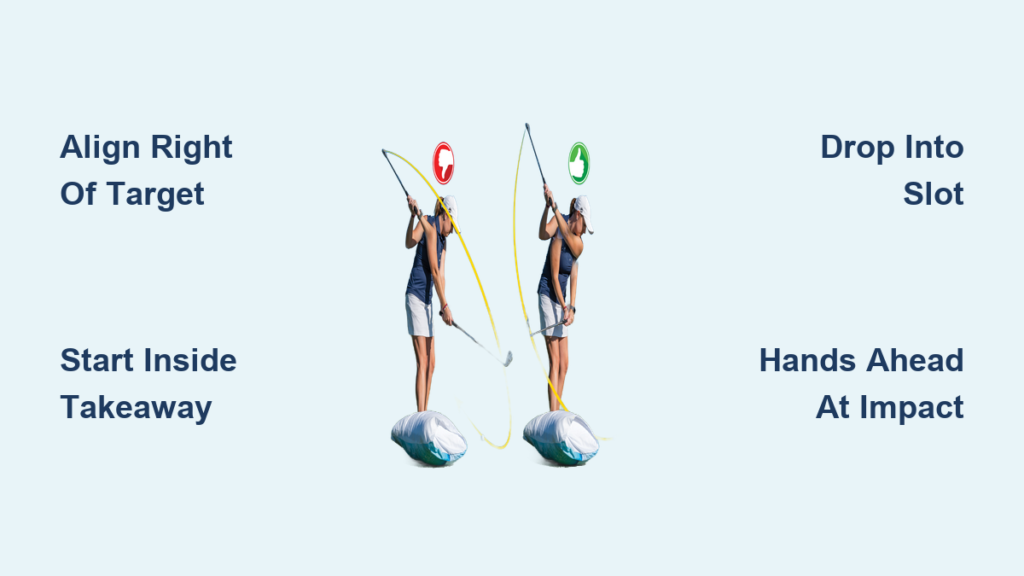
You’re on the tee, set up with confidence, but your ball slices to the right. Again. You’ve heard the phrase “swing inside out” from better players or your pro, yet it feels elusive. The inside-out golf swing is one of the most effective ways to hit powerful, consistent draws and eliminate the dreaded slice. It’s not just for tour players; any golfer can learn it with the right setup, path, and practice.
In this guide, you’ll learn exactly how to swing inside out, step by step, so you can start hitting straighter, longer shots with control. We’ll cover setup fundamentals, takeaway mechanics, downswing transitions, impact position, and proven practice drills that lock in the motion for good.
Proper Setup for an Inside Out Path
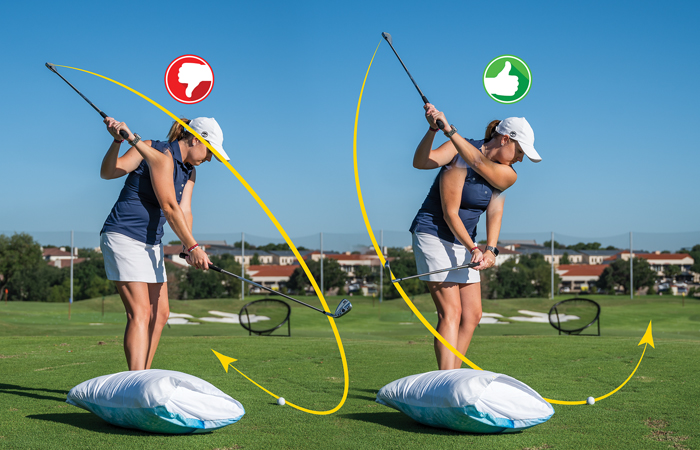
Your swing path starts long before you take the club back. The foundation, including your stance, alignment, and posture, determines whether an inside-out swing is even possible.
Align Your Body Slightly Right of Target
To swing inside out, align your feet, hips, and shoulders slightly right of the target for right-handed golfers. This creates room for the club to travel from inside the target line to outside through impact. Many golfers aim directly at the target, which forces an over-the-top move and leads to a slice. By aiming right, you encourage a swing path that works from the inside.
Keep your eyes over the ball and spine tilted slightly away from the target. This promotes an upward strike with the driver and helps shallow the downswing.
Position the Ball Forward in Stance
Place the ball just inside your front heel (left heel for right-handers), especially with the driver and fairway woods. A forward ball position allows you to hit the ball on the upswing, which pairs perfectly with an inside-out path. It also encourages your hands to be slightly behind the ball at impact, which is key for generating draw spin.
With irons, move the ball progressively back in your stance (middle for a 7-iron, slightly right of center for short irons), but still maintain the same swing path principles.
Master the Takeaway for an Inside Path
The first few feet of your backswing set the tone for the entire motion. A poor takeaway can sabotage your path before you even reach the top.
Start the Club Inside with Hands and Shoulders
Initiate the takeaway by rotating your shoulders while keeping your hands and arms connected. The club should move slightly inside the target line during the first foot of motion. Avoid lifting the club straight back or outside the line, as this leads to an over-the-top downswing.
Use a “triangle” concept. Keep your arms and shoulders forming a stable triangle as you turn back. This prevents the club from getting too steep or outside.
Use a Gate Drill to Check Takeaway Path
Set up two alignment sticks or clubs on the ground: one parallel to your target line and another about 6 inches inside it. As you take the club back, ensure it passes between the two sticks, closer to the inside stick. This gate drill trains you to start the club on the correct inside path.
Practice this slowly at first, focusing on connection and path. Do 10 to 15 reps before each round to ingrain the correct motion.
Transition and Downswing Mechanics
The transition from backswing to downswing is where most golfers lose the inside-out path. Timing and sequence are critical here.
Shift Weight Forward Without Sliding
Start the downswing by shifting your lower body toward the target. Your hips should rotate open while your weight moves into your front foot. This clears space for the club to drop into the inside slot.
Avoid lateral sliding. Your head should stay relatively stable. Think “rotate, don’t slide” to maintain balance and promote an inside attack angle.
Drop the Club Into the Slot
As your lower body leads, allow the club to drop vertically down from the top. The shaft should point toward the target or slightly left at the halfway-down position. This is the “slot,” a key checkpoint for an inside-out path.
If the club is too far outside or laid off at this point, your path will be off. Use a mirror or video to check your position at waist-high on the downswing.
Impact Position for a Draw
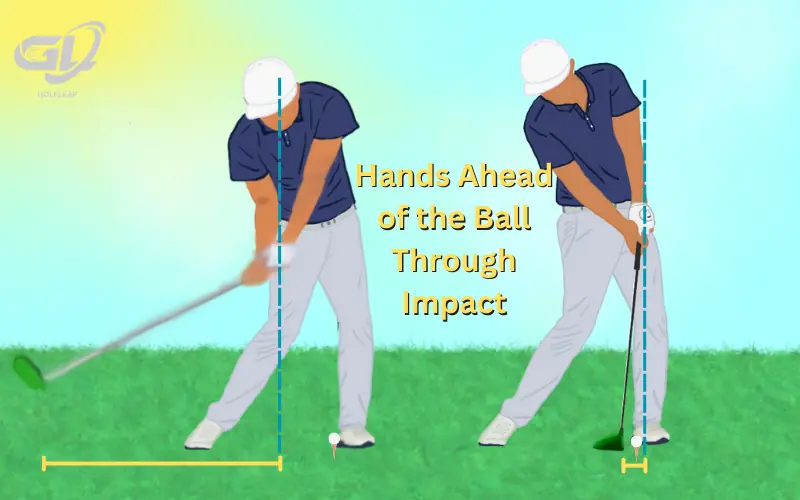
Hitting from the inside isn’t enough. You must deliver the club correctly at impact to produce a draw.
Hands Ahead, Clubface Slightly Closed
At impact, your hands should be slightly ahead of the ball, especially with irons. The clubface should be closed relative to the swing path but square to the target. This difference between path and face creates draw spin.
For example, if your swing path is 4 degrees from the inside, the clubface should be 1 to 2 degrees closed to that path but still square to target. This delivers the right gear effect for a controlled draw.
Feel the Right Elbow Drop
A great cue is to feel your right elbow (for right-handers) dropping toward your side on the downswing. This keeps the club on plane and encourages an inside path. If your elbow flares out, the club will come over the top.
Remember this simple cue: “Elbow in, path in.”
Use Drills to Reinforce the Motion
Drills help lock in muscle memory and correct flaws before they become habits.
Towel Under the Right Armpit Drill
Tuck a small towel under your right armpit and make slow swings. Keep the towel pinned throughout the swing. This promotes connection between your arms and torso, preventing the arms from flying out on the downswing.
If the towel drops, your right elbow is flaring, which is common in over-the-top moves. Do 10 to 15 swings daily to build consistency.
Club Across the Chest Drill
Place a short club or alignment stick across your chest, under your arms. Make half swings, focusing on rotating your chest and shoulders. The stick should move on a circular path, reinforcing a connected, inside-out motion.
This drill eliminates arm-dominant swings and teaches proper body rotation.
Alignment Stick in the Ground Drill
Stick an alignment rod in the ground about 6 inches behind the ball and on a line extending from your target line outward to the right. Now, swing back and through, ensuring you don’t hit the rod on the follow-through.
This forces you to swing from the inside and follow through to the outside, exactly what an inside-out path requires.
Common Mistakes to Avoid
Even with the right setup, small errors can derail your inside-out swing.
Over-Rotating the Hips
While hip rotation is essential, over-rotating too early can cause your upper body to lag and the club to get stuck. This leads to a hook or a blocked shot to the right.
The fix is to focus on synchronized rotation. Your hips and shoulders should turn together in proper sequence.
Closing the Clubface Too Much
Swinging inside out with a closed clubface causes a pull-hook. Remember this principle: path creates direction, face creates spin.
If you’re hitting hooks, your clubface is likely too closed at impact. Use alignment tape on the clubface and check video to ensure it’s square at impact.
Rushing the Downswing
Trying to generate power by jerking the club down destroys timing and path. The downswing should be a smooth transition, not a violent move.
The fix is to count “1-2” in your head during the backswing and transition. This promotes rhythm and prevents early casting.
Equipment Tips That Help
Your gear can support or sabotage your inside-out swing.
Use a Driver with Adjustable Loft and Face Angle
Set your driver to a slightly closed face and lower loft. A closed face helps promote draw spin, while lower loft reduces backspin and sidespin, which is key for straighter drives.
Many modern drivers have adjustable hosels. Experiment with settings that support your new swing path.
Choose the Right Shaft Flex
A shaft that’s too stiff can prevent the clubface from closing properly, leading to a slice. If you’re struggling to draw the ball, consider a regular or senior flex shaft to help the face rotate.
Get fitted if possible, since shaft flex impacts both path and face control.
Practice Routine for Lasting Results
Learning the inside-out swing takes repetition and feedback.
Daily 15-Minute Drill Circuit
- Gate Drill (Takeaway): 5 slow swings
- Towel Under Armpit (Connection): 10 half swings
- Alignment Stick Behind Ball (Path Check): 10 full swings
- Video Review: Record one swing to check path and face
Do this before every practice session to reinforce correct mechanics.
On-Course Application Strategy
Start with mid-irons, which are easier to control than the driver. Aim slightly right of your target and focus on swinging along your body line. Don’t force the draw; let it happen naturally from the path.
Once consistent, apply the same motion to woods and driver.
Frequently Asked Questions About Swinging Inside Out
What Does It Mean to Swing Inside Out in Golf?
Swinging inside out means the club approaches the ball from inside the target line on the downswing and continues outward after impact. For right-handed golfers, this creates a path that moves from inside to outside relative to the target line. This path promotes a draw ball flight and reduces the slicing spin that plagues many amateurs.
Why Do Most Golfers Struggle With an Inside-Out Swing?
Most golfers struggle because they start the downswing with their upper body rather than their lower body. This causes the club to come over the top, approaching the ball from outside the target line. Poor alignment (aiming directly at the target) and an overly steep backswing also make it difficult to achieve an inside-out path consistently.
How Long Does It Take to Learn an Inside-Out Swing?
Most golfers can develop a basic inside-out path within a few weeks of dedicated practice. However, fully ingraining the motion under pressure takes longer, often several months of consistent work. Daily short practice sessions focused on drills tend to produce faster results than occasional long sessions.
Can an Inside-Out Swing Fix a Slice?
Yes, an inside-out swing is one of the most effective ways to eliminate a slice. A slice is caused by a club path that travels from outside to inside combined with an open clubface. Swinging inside out corrects the path, and when paired with a properly aligned clubface, it produces a draw instead of a slice.
Should I Aim Right When Swinging Inside Out?
Aiming slightly right of the target (for right-handed golfers) is a common strategy when learning an inside-out swing. This body alignment creates the necessary space for the club to travel from inside the target line. As your path becomes more consistent, you may find you no longer need to aim as far right.
Do I Need New Equipment to Swing Inside Out?
You don’t need new equipment to swing inside out, but certain adjustments can help. A driver with an adjustable hosel allows you to set a slightly closed face, which supports draw spin. A shaft with the right flex also makes it easier to close the face through impact.
Key Takeaways for Swinging Inside Out in Golf
Swinging inside out transforms your ball flight, replacing slices with powerful, controlled draws. Start with proper alignment, aiming slightly right of target to give your swing room to travel from inside the target line. Master the takeaway with connected arms and shoulders, then focus on a smooth downswing transition led by your lower body. At impact, keep your hands ahead and the clubface square to target but slightly closed to your path.
Your next step is simple: spend 15 minutes before your next practice session working through the gate drill, towel drill, and alignment stick drill. Record one swing on video to confirm your path and face position. With consistent effort, the inside-out swing will become your natural motion.





