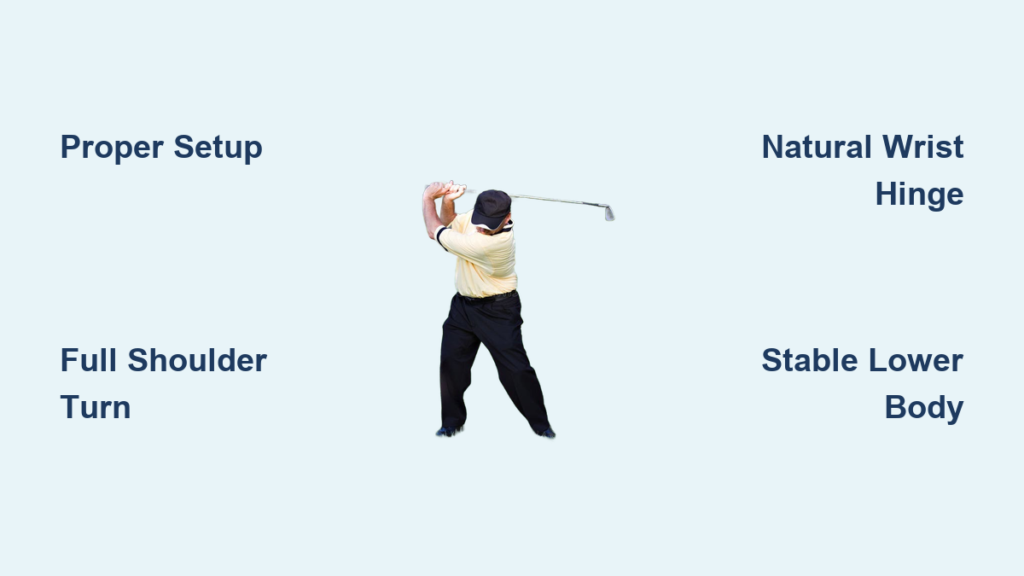
You’re standing on the range, gripping your club, ready to unleash a powerful shot down the fairway. But something’s off. The ball slices, lacks distance, or feels inconsistent. More often than not, the root of the problem lies in one critical phase: the backswing. Mastering how to backswing in golf is essential for building a consistent, powerful, and repeatable swing. The backswing sets the foundation for everything that follows, including the downswing, impact, and follow-through. A flawed backswing can sabotage even the best intentions, leading to poor contact, loss of power, and frustrating inconsistency.
The good news? The golf backswing is not a mystery. It’s a sequence of coordinated movements that can be learned, practiced, and perfected. Whether you’re a beginner trying to build a solid foundation or an intermediate player looking to refine your technique, understanding the mechanics of the backswing will transform your game. In this guide, you’ll learn the key components of an effective backswing, common mistakes to avoid, and practical drills to ingrain the right motion. No fluff. Just actionable steps to help you swing smarter and play better.
Proper Setup for a Strong Backswing

Before the club even moves, your setup determines the quality of your backswing. A misaligned stance or poor grip can derail your entire motion.
Correct Stance and Alignment
Stand with your feet shoulder-width apart, knees slightly flexed, and weight balanced over the balls of your feet. Your spine should tilt forward from the hips, creating a neutral posture. Align your shoulders, hips, and feet parallel to the target line. This alignment ensures your backswing travels on the correct path and avoids compensations.
Grip Fundamentals
Use a neutral grip that is neither too strong nor too weak. When you look down, you should see two knuckles on your left hand (for right-handed golfers). The “V” formed by your thumb and index finger should point toward your trailing shoulder. A proper grip allows for a natural wrist hinge and prevents excessive hand action during the backswing.
Spine Angle and Posture
Maintain your spine angle throughout the swing. Avoid swaying or lifting during the takeaway. A stable spine allows for a full shoulder turn while keeping your head relatively still. Think of rotating around your spine rather than sliding side to side.
The Takeaway: Start Strong
The first few feet of the backswing set the tone. A poor takeaway leads to compensations later in the swing.
Clubhead Path on Takeaway
Move the club back low and slow. The clubhead should track slightly inside the target line as your hands pass your right thigh (for right-handed golfers). This promotes an inside-to-out swing path and helps avoid an over-the-top downswing.
Hand and Arm Coordination
Keep your arms connected to your chest in the early phase. Let your shoulders, arms, and hands work together rather than independently. Avoid lifting the club with your hands or breaking your wrists too early. A one-piece takeaway builds consistency.
Avoid Early Wrist Hinge
Wait until the club is waist-high before allowing the wrists to hinge naturally. Premature wrist cock leads to a steep, inconsistent backswing. Focus on turning your shoulders while the club moves back smoothly.
Shoulder Turn and Rotation
A full, controlled shoulder turn is the engine of a powerful backswing.
Achieve a Full 90-Degree Turn
Your shoulders should rotate approximately 90 degrees relative to your spine. This does not mean twisting your arms. It is a coil of the torso. A full turn stores energy for the downswing and improves swing arc.
Maintain Left Arm Straight (for Right-Handers)
Keep your lead arm (left arm for right-handed golfers) extended but not rigid. A bent lead arm reduces width and power. Think of your arms as a lever because longer levers generate more speed.
Rotate, Don’t Sway
Your hips should rotate slightly (about 45 degrees), but the majority of the turn comes from the upper body. Avoid lateral movement. Your head should stay over or slightly behind the ball. Swaying destroys balance and consistency.
Wrist Hinge and Club Position
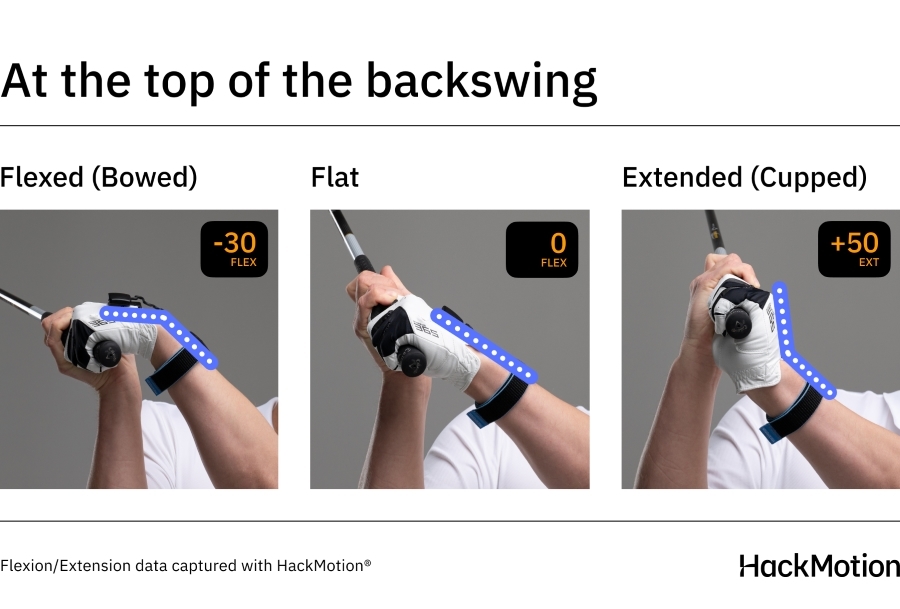
The wrist hinge is a critical checkpoint in the backswing.
Natural Wrist Cock at Waist Height
As the club reaches hip level, allow your wrists to hinge naturally. This creates the “L” shape between your lead arm and the club shaft. A late hinge promotes a wider, more powerful swing.
Check the “L” Shape
At the top of the backswing, your lead arm and club should form a clear “L” when viewed from down the line. This indicates proper wrist hinge and club angle. Too steep or too flat leads to inconsistent contact.
Avoid Overcocking the Wrists
Excessive wrist hinge leads to a steep downswing and loss of control. Let the hinge happen gradually, driven by the rotation of your body rather than hand action.
Hip and Lower Body Stability
Your lower body provides the foundation for an efficient backswing.
Limit Hip Rotation to 45 Degrees
While your shoulders turn 90 degrees, your hips should only rotate about half that. This creates “X-factor,” which is the differential between upper and lower body rotation, and it generates power.
Keep Weight on Inside of Right Foot
For right-handed golfers, maintain pressure on the inside of your back foot. This prevents sliding and encourages a coiled position. Avoid lifting your left heel unless it’s natural to your swing.
Prevent Early Extension
Do not let your hips slide forward or your spine angle change. Early extension ruins the sequence and leads to poor impact positions. Stay centered and stacked.
Top of the Swing: Key Checkpoints
The top of the backswing is a moment of maximum coil. Know what to look for.
Club Parallel to Target Line
At the top, the club shaft should be parallel to the target line. This indicates proper swing plane and direction. If it’s pointing too far left or right, your path is off.
Right Elbow Positioned Correctly
Your trailing elbow (right elbow for right-handed golfers) should point down toward the ground, not out to the side. This keeps the swing compact and on plane.
Head Position and Balance
Your head should remain relatively still, with your eyes on the ball. Avoid lifting or swaying. Balance is key, and your weight should feel centered over the balls of your feet.
Common Backswing Mistakes to Avoid
Even small errors can derail your swing. Know what to watch for.
Over-the-Top Backswing
Starting the club too far inside or outside creates an over-the-top move. This leads to slices and loss of power. Focus on a neutral takeaway and an on-plane path.
Reverse Weight Shift
Leaning back or shifting weight to the front foot during the backswing is a critical error. It prevents proper weight transfer and reduces power. Keep weight slightly forward at setup and maintain it during the backswing.
Lack of Shoulder Turn
Many amateurs rely on arm strength instead of body rotation. This leads to a short, weak backswing. Focus on turning your shoulders fully while maintaining posture.
Excessive Head Movement
Moving your head too much disrupts balance and alignment. Keep your head steady and think of it as a fixed point around which your body rotates.
Drills to Improve Your Backswing
Practice with purpose using these effective drills.
Towel Under the Right Armpit
Place a small towel under your trailing armpit and make slow backswings. If the towel drops, your arms have disconnected from your body. This drill promotes connection and synchronization.
Pause at the Top Drill
Make a backswing and pause at the top for two seconds. Check your position. Is your club on plane? Is your spine angle intact? This builds awareness and control.
Mirror Drill for Alignment
Stand in front of a mirror and practice your takeaway and backswing. Watch for proper path, shoulder turn, and head position. Visual feedback accelerates improvement.
Transition: From Backswing to Downswing
The transition is the most powerful moment in the swing.
Start with the Lower Body
Initiate the downswing with your hips, not your arms. A slight shift and rotation of the lower body starts the sequence correctly. This prevents casting and promotes lag.
Maintain Lag and Shaft Lean
Keep the clubhead behind your hands as you start down. This “lag” stores energy for impact. Shaft lean at impact comes from maintaining this pressure.
Avoid Casting the Club
Casting, which means releasing the wrist angle too early, kills power and consistency. Focus on delaying the release until just before impact.
Practice Tips for a Repeatable Backswing
Consistency comes from smart practice.
Use Slow-Motion Swings
Practice at 50% speed to focus on mechanics. Slow swings build muscle memory and highlight flaws.
Record Your Swing
Use your smartphone to record your backswing from face-on and down-the-line views. Compare it to professional swings or your coach’s feedback.
Focus on One Element at a Time
Don’t try to fix everything at once. Pick one key point, such as shoulder turn or wrist hinge, and drill it until it feels natural.
Frequently Asked Questions About How to Backswing in Golf
What is the ideal backswing length for maximum power?
A full 90-degree shoulder turn with about 45 degrees of hip rotation is ideal. Overcoiling leads to loss of balance and control.
How do I stop swaying during the backswing?
Focus on rotating around your spine rather than sliding. Keep your head steady over the ball and feel pressure on the inside of your back foot.
Should my left arm be straight during the backswing?
Yes, your lead arm should be extended but not locked. A slight bend is acceptable, but avoid a significant collapse as it reduces width and power.
When should I hinge my wrists during the backswing?
Allow the wrists to hinge naturally when the club reaches hip-to-waist height. Avoid hinging too early as it creates a steep swing.
What causes an over-the-top backswing?
An over-the-top move usually comes from a poor takeaway or too much hand action. Focus on a one-piece takeaway and shoulder-driven turn.
How long does it take to develop a consistent backswing?
With focused practice, most golfers see improvement within a few weeks. Full mastery takes months, so be patient and stay committed.
Key Takeaways for Mastering Your Golf Backswing
Mastering how to backswing in golf is the cornerstone of a powerful, accurate, and repeatable swing. Focus on a proper setup, a connected takeaway, and a full shoulder turn. Maintain your spine angle and wrist hinge while avoiding common mistakes like swaying or casting. Use the drills provided to build muscle memory and consistency.
Your next step is simple. Choose one drill from this guide and practice it for 10 minutes during your next range session. Film your swing, compare it to the checkpoints discussed, and make small adjustments. With dedicated practice, your backswing will become a foundation for lower scores and more confident ball-striking.