
You’ve seen people tossing frisbees toward metal baskets in the park—welcome to disc golf. This fast-growing sport blends the precision of golf with the fun of throwing flying discs. Whether you’re looking for low-cost outdoor exercise or a new weekend hobby, learning how to play disc golf is simple, affordable, and accessible to nearly everyone. In this guide, you’ll learn everything from basic rules and throwing techniques to choosing your first discs and mastering your first round. No experience needed—by the end, you’ll be ready to hit the course with confidence.
Know the Game’s Core Rules
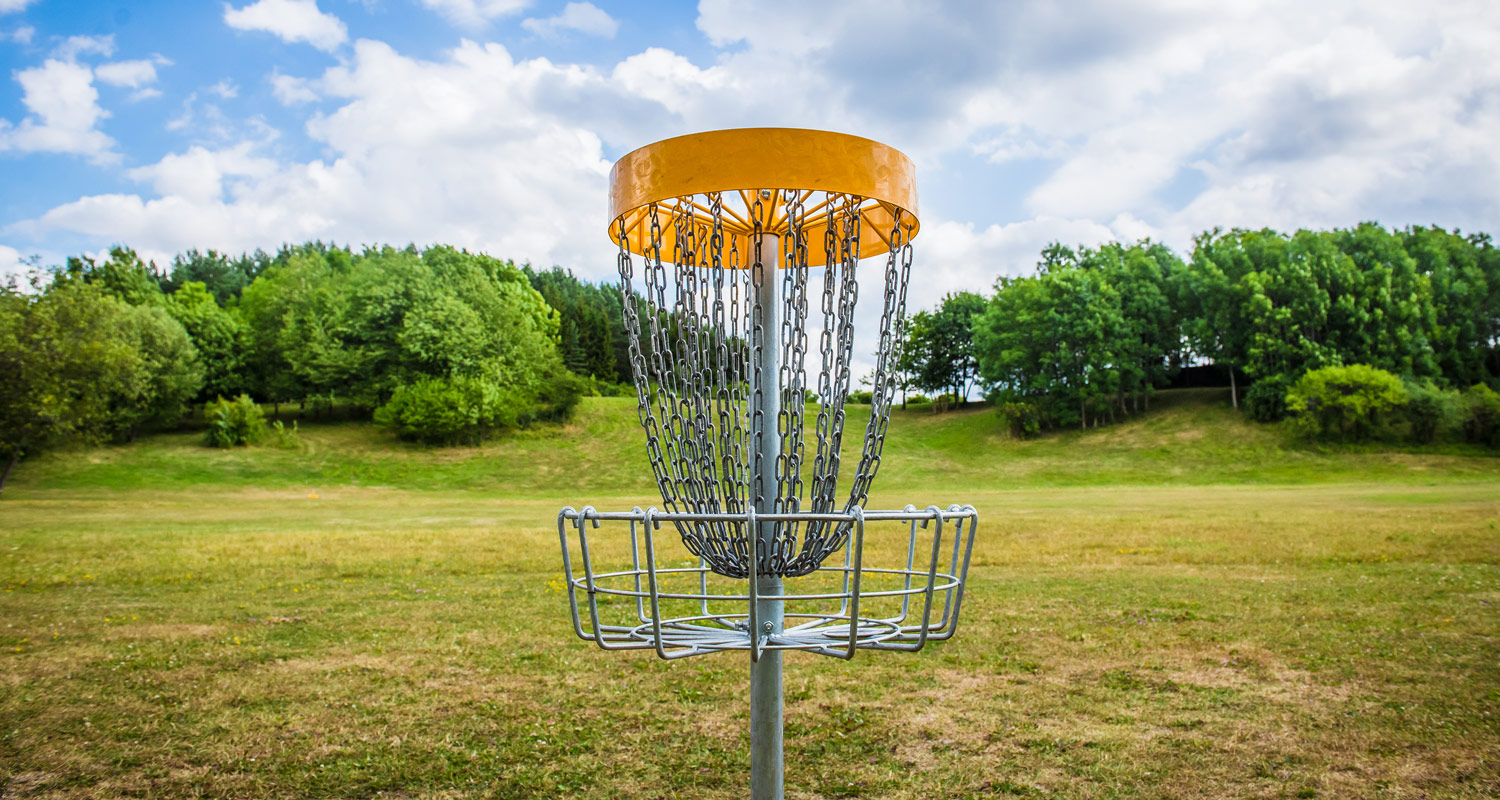
Disc golf follows a straightforward objective: complete each hole in as few throws as possible. Each hole starts at a tee pad and ends when your disc lands in the target basket, a metal pole with hanging chains designed to catch and funnel the disc into the tray below.
You throw from where your disc comes to rest after each shot. Just like traditional golf, your score is the total number of throws across all holes. Most courses have 9 or 18 holes, and your goal is to finish with the lowest score. A typical par for a hole ranges from 2 to 5, depending on distance and difficulty.
What Counts as a Completed Hole?
Your hole ends when the disc comes to rest inside the basket’s tray, either by falling through the chains or being placed after a legal catch. A disc hanging in the chains or resting on top doesn’t count—you must throw again. Once the disc is in the basket, retrieve it and move to the next tee.
Out-of-Bounds and Penalties
Some courses mark out-of-bounds (OB) areas with lines, signs, or natural boundaries. If your disc lands OB, you’ll typically take a one-throw penalty. You then throw your next shot from a designated drop zone or from where the disc crossed the OB line.
If your disc gets stuck in a tree, bushes, or another obstacle, mark your spot below and continue from there without penalty in casual play. Always check the local course rules, as OB penalties and drop zones vary by location.
Choose the Right Discs to Start
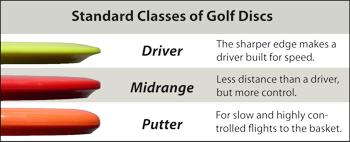
Your disc selection makes a huge difference in control, distance, and consistency. Unlike a regular frisbee, disc golf discs are designed for specific flight paths and purposes.
Start with These Three Disc Types
- Putters: Used for short, accurate throws near the basket. They fly straight and are perfect for beginners.
- Mid-range discs: Ideal for controlled throws at medium distances. Great for navigating curves and avoiding obstacles.
- Drivers: Designed for maximum distance but require more skill. Beginners should avoid overpowered drivers at first.
Starting with a putter and a mid-range disc is the best way to learn the basics before adding more discs to your bag.
Pick Beginner-Friendly Discs
Look for discs that feel comfortable in your hand and have a stable flight pattern. Popular starter discs include lightweight putters and mid-range discs designed for new players.
Avoid max-weight or high-speed drivers until you’ve built form and consistency. Focus on comfort and control over flashy designs.
Master the Basic Throws
Throwing technique is more important than arm strength. Focus on proper grip, stance, and follow-through to build accuracy and avoid injury.
Learn the Backhand Throw First
The backhand is the most common and easiest throw to learn. It’s ideal for straight shots and moderate distance.
Steps to execute a backhand throw:
1. Stand sideways to your target with your lead foot forward.
2. Grip the disc with your thumb on top and fingers curled under the rim.
3. Pull the disc across your body like a windshield wiper.
4. Flip your wrist at release and follow through toward the target.
Practice this throw first because it forms the foundation for nearly every other shot you’ll learn.
Try the Forehand Throw for Tight Spaces
The forehand is useful when you need to throw around trees or avoid obstacles on one side.
How to throw forehand:
1. Hold the disc with your palm facing down and fingers along the edge.
2. Use a sidearm motion with your elbow high.
3. Snap your wrist outward and release with control.
4. Follow through across your body.
Great for navigating tight spaces, the forehand is a valuable tool once you feel comfortable with the backhand.
Use the Overhand Throw for Overhead Obstacles
The overhand (or tomahawk/hammer) throw is a more advanced technique used for long distances and specific shot shapes. It helps you clear low-hanging branches or throw over obstacles that block lower flight paths.
This throw requires strong wrist control and is best learned after mastering the backhand and forehand.
Follow Proper Course Etiquette
Disc golf is a social, respectful sport. Good etiquette keeps the game safe and enjoyable for everyone on the course.
Play in the Right Order
Throw from the designated tee area and let the player farthest from the basket throw first. After all throws, the person closest to the target goes next. This prevents distractions and keeps the game flowing smoothly.
Be Aware of Your Surroundings
Always check downrange before throwing. Shout “Clear!” to let others know you’re about to throw. If someone is walking ahead, wait until they’re out of range to avoid accidents.
Respect the Course
Don’t litter, damage trees, or move obstacles. Many courses are in public parks—leave no trace and help preserve the environment for other players.
Play Your First Round Step by Step
Now that you know the basics, it’s time to put them into action on the course.
Step 1: Find a Local Course
Look for a beginner-friendly course with wide fairways and easy layouts. Many parks and recreation areas list disc golf courses online, so a quick search can help you find one nearby.
Step 2: Warm Up with Short Throws
Start with your putter. Practice short throws to get a feel for your disc’s flight. Focus on smooth releases and consistent form before stepping up to longer shots.
Step 3: Start at Hole 1
Stand on the tee pad and aim for the basket. Use your mid-range or putter for better control. Don’t try to crush it—accuracy beats distance every time.
Step 4: Walk to Your Disc and Assess
After each throw, walk to where your disc landed. Look at the terrain, obstacles, and distance to the basket before deciding your next shot. Strategic thinking is just as important as throwing power.
Step 5: Finish Strong with Putting
When close to the basket, switch to your putter and focus on a smooth release. Keep your eyes on the target and step toward the basket for better accuracy.
Step 6: Count Your Throws and Move On
Once the disc is in the basket, count your throws for the hole. Record your score if you’re keeping track, then head to the next tee and repeat the process.
Avoid Common Beginner Mistakes
Even experienced players started with bad habits. Steer clear of these pitfalls to improve faster and enjoy the game more.
Throwing Too Hard Too Soon
Power doesn’t equal accuracy. Many beginners throw with full force and lose control. Focus on form over force—you’ll gain distance naturally as your technique improves.
Ignoring Wind Conditions
Wind affects disc flight more than most beginners expect. Start by throwing in calm conditions or light breezes to learn how your disc reacts before testing strong winds.
Skipping the Putter
Some players think putters are “only for short shots,” but they are essential for scoring. Up to 40% of your throws on a course happen near the basket, so mastering your putter lowers your score fast.
Improve with Practice Drills
Consistent practice beats random throwing. Try these drills to build muscle memory and confidence.
Putting Drill
Set up a target at close range and practice making consistent putts. Track how many you sink out of every 10 or 20 attempts to measure improvement over time.
Approach Shot Challenge
From a medium distance, try to land your disc within a small circle around the basket. This builds distance control and accuracy with your mid-range disc.
Form Check Drill
Practice your throws in front of a mirror or record yourself. Watch for proper grip, stance, and follow-through. Small corrections lead to big improvements.
Understand Scoring and Game Formats
Once you’re comfortable playing holes, you can explore different ways to score and compete.
Standard Stroke Play
Count every throw. Add them up at the end. The lowest total wins. This is the most common format for casual and competitive play.
Match Play
Play hole by hole. Whoever wins the most individual holes wins the game, regardless of total throws. This format adds strategy to every shot.
Doubles or Team Play
Pair up with a friend and alternate throws or play “best shot,” where both players throw and the team continues from the better position.
Maintain Your Gear and Stay Safe
Disc golf gear is durable but benefits from basic care. A few simple habits go a long way toward keeping your equipment in top shape.
Inspect Your Discs Regularly
Look for cracks, warps, or sharp edges. Damaged discs fly unpredictably and can be unsafe. Replace them if they’re compromised.
Store Discs Properly
Keep discs out of extreme heat, such as hot cars, to prevent warping. Store them in a bag with dividers or on a shelf indoors.
Wear the Right Footwear
Many courses involve walking on trails, grass, or uneven terrain. Wear supportive shoes or trail runners to prevent slips and fatigue during longer rounds.
Join the Disc Golf Community
One of the best parts of disc golf is the people. The sport is known for its friendly, welcoming culture.
Play with Others
Playing with more experienced players helps you learn faster and have more fun. Ask for tips on form, disc selection, and course strategy.
Explore Local Groups
Many cities have disc golf clubs, leagues, or casual meetups. These gatherings are a great way to meet fellow players and discover new courses in your area.
Watch and Learn
Follow professional tours and tournament coverage to see how top players approach different shots. Observing advanced techniques can inspire your own game and teach you new strategies.
Frequently Asked Questions About Disc Golf
How much does it cost to start playing disc golf?
Getting started is very affordable. A basic starter set with one or two discs costs around $20 to $40, and most public courses are free to play. Compared to many sports, disc golf has one of the lowest barriers to entry.
What discs do I need as a complete beginner?
Start with a putter and a mid-range disc. These two discs cover most situations a beginner will encounter and are easier to control than high-speed drivers.
How long does a round of disc golf take?
A typical round of 9 holes takes about 30 to 60 minutes, while a full 18-hole round usually takes 1.5 to 2.5 hours depending on group size and course traffic.
Can I play disc golf alone?
Yes, disc golf is a great solo activity. Many players enjoy the focus and exercise of playing alone. Just be extra cautious about checking for other players before throwing.
Is disc golf good exercise?
Disc golf offers moderate physical activity through walking, throwing, and navigating terrain. It’s great for all ages and fitness levels while encouraging outdoor activity and connection with nature.
Where can I find a disc golf course near me?
Search online directories or disc golf apps that list courses by location. Most public parks with disc golf courses are listed with maps, hole distances, and reviews from other players.
Key Takeaways for Starting Your Disc Golf Journey
Learning how to play disc golf doesn’t require expensive gear or years of training. Start with a putter and a mid-range disc, focus on proper throwing form, and play a beginner-friendly course near you. Respect course etiquette, practice consistently, and connect with other players to accelerate your improvement. Disc golf builds focus, coordination, and strategy while encouraging outdoor activity and connection with nature. Grab a disc, find a basket, and take your first throw—you’re now part of the disc golf community.





