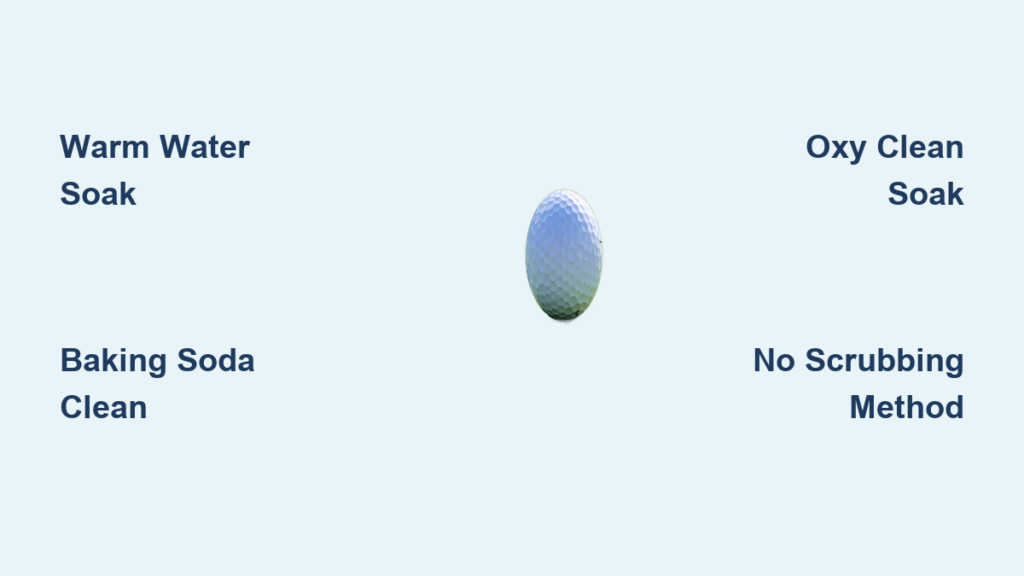
If you’ve ever pulled a muddy, scuffed golf ball from the rough or collected used balls from a driving range, you know the frustration of trying to restore them to playable condition. Learning how to clean golf balls properly isn’t just about appearance. It affects performance, longevity, and even resale value. A dirty ball with caked-on grass and grit can alter spin, trajectory, and feel. The good news is that cleaning them is simple, fast, and requires only basic household supplies.
We’ll walk you through safe, effective cleaning strategies backed by golf course pros, ball collectors, and everyday players. You’ll learn what works, what to avoid, and which methods save the most time. Whether you’re prepping personal balls for weekend play or restoring range finds for resale, you’ll find a cleaning solution that fits your needs.
Warm Water and Soap Cleaning
Mix a Mild Soap Solution
Start with warm water and a few drops of mild dish soap or car wash soap. These cleaners are gentle on urethane or surlyn covers, preventing damage while lifting dirt. Avoid harsh detergents like laundry pods or industrial degreasers. They can degrade the ball’s outer layer over time.
Fill a bucket or sink with water just hot enough to touch. The warmth helps loosen grime without risking structural changes. Use about one teaspoon of soap per gallon of water and stir gently.
Soak and Scrub Gently
Place your golf balls in the solution and let them soak for 15 to 20 minutes. This softens dried mud, grass stains, and road film. After soaking, take one ball at a time and scrub with a soft-bristled brush like an old toothbrush or a dedicated golf ball brush.
Focus on the dimples and logo areas where dirt accumulates. Apply light pressure. Never use steel wool, abrasive pads, or stiff brushes. They can scratch the surface and compromise aerodynamics.
Rinse and Dry Completely
Once all balls are scrubbed, rinse them under clean water to remove soap residue. Leftover suds attract more dirt later. Dry each ball with a microfiber cloth to prevent water spots. Alternatively, lay them out on a towel in a well-ventilated area to air dry.
This method is ideal for 1 to 10 balls and takes less than 30 minutes. It’s the safest option for premium or frequently used balls.
Deep Clean With Baking Soda

Prepare a Baking Soda Soak
For balls with stubborn stains or heavy dirt buildup, a baking soda solution offers a safe deep clean. Mix one tablespoon of baking soda per cup of warm water. For larger batches, scale up to one cup of baking soda per gallon of water.
Baking soda is mildly abrasive and naturally deodorizing, making it excellent for lifting embedded grime without harming the cover.
Soak for 30 Minutes
Submerge the golf balls in the solution for at least 30 minutes. This allows the baking soda to penetrate and loosen tough residues. Don’t exceed one hour, as prolonged soaking isn’t necessary and may increase moisture seepage in older or cracked balls.
After soaking, scrub each ball with a soft brush. Dirt comes off more easily than with soap alone.
Rinse and Inspect
Rinse thoroughly under running water and inspect each ball for cuts, deep scuffs, or cracks. Even a clean ball with surface damage will perform poorly. Discard or repurpose damaged balls instead of using them for serious play.
This method works best for used range balls or recovered balls from ponds and roughs.
Oxy Clean Soaking Method
Use Oxy Clean for Heavy Grime
Oxy Clean (oxygen-based bleach) is a favorite among golf ball collectors for its ability to whiten and disinfect without chlorine damage. It’s especially effective on yellowed or stained balls.
Fill a 5-gallon bucket with hot water (not boiling) and add one scoop of Oxy Clean powder. Follow package instructions for concentration. Drop in your golf balls and let them soak for 30 minutes to one hour.
Agitate for Faster Results
For faster cleaning, stir the balls occasionally with a stick or wear gloves and swirl them by hand. Some users seal the bucket with a lid and shake it vigorously to add agitation and reduce cleaning time.
After soaking, wipe each ball with a cloth or old T-shirt. Most dirt comes off with minimal scrubbing.
Air Dry in Sunlight
Once rinsed, place the balls on a drying rack or towel in direct sunlight. UV rays help further disinfect and brighten the covers. Avoid using a dryer or heat source, since excessive heat can warp the core.
This method works well for 10 to 50 balls and is popular among ball recovery businesses.
Hydrogen Peroxide and Efferdent

Commercial-Grade Cleaning Combo
For collectors or resellers needing pristine results, hydrogen peroxide and Efferdent tablets deliver professional-level cleaning. Efferdent, a denture cleaner, breaks down organic buildup and whitens plastic surfaces.
Use one tablet per cup of 3% hydrogen peroxide. For larger batches, scale up to 10 tablets per gallon of solution.
Soak Overnight if Needed
Place golf balls in the solution and soak for 30 minutes to several hours, depending on soil level. For heavily stained balls, an overnight soak is safe and effective.
This method lifts algae, pond scum, and yellowing without damaging the cover, making it ideal for balls pulled from water hazards.
No Scrubbing Required
One major benefit is that most balls come out clean without scrubbing. Simply rinse and dry. This saves time and reduces wear on the ball surface.
This technique is widely used in the golf ball resale industry and recommended for high-volume restoration.
Bucket Cleaning for Bulk Batches
Use a 5-Gallon Bucket for Efficiency
When cleaning more than 10 balls, a 5-gallon bucket streamlines the process. Fill it with warm, soapy water or Oxy Clean solution and add up to 50 balls at once.
Stir with a wooden stick or gloved hand to dislodge loose dirt. Let sit for 15 to 30 minutes before draining and rinsing.
Shake Method With Lid
For better results, use a bucket with a tight-sealing lid. Add balls, cleaning solution, and close the lid. Shake vigorously for 1 to 2 minutes. The motion mimics a washing machine and agitates dirt loose.
Transfer balls to a second bucket of clean water to rinse. This prevents re-depositing grime.
Add Sand for Tough Stains (Experimental)
Some users experiment with adding coarse sand for extra abrasion. While this removes stubborn debris, it risks micro-scratches. Use only on low-value range balls and avoid on premium models.
Always rinse thoroughly after using sand.
Washing Machine Cleaning (With Caution)
Cold Cycle Only, No Heat
You can clean golf balls in a washing machine, but with strict rules. Use only a cold, short cycle (under 15 minutes) with no spin-dry or heat. Hot water and high-speed spinning can damage both the balls and the machine.
Load no more than 100 balls per cycle. Overloading risks imbalance and drum damage.
Use a Pillowcase for Protection
To reduce noise and protect the drum, place balls in a pillowcase. Add a few rags or towels to cushion the load and absorb impact. This also keeps balls from clattering against the machine walls.
Add one cup of bleach if whitening is desired, but skip it for balls with logos or markings.
Risks and Warnings
Despite success stories, this method carries risks. Older or sensitive washers may not handle the load. Balls rattle loudly, so consider doing it when others aren’t home. Never use a laundromat washer, as this can damage shared equipment.
Only use an older machine or one you fully control.
Avoid Dishwasher Cleaning
Heat Damages Ball Structure
While dishwashers might seem convenient, they’re not recommended. The high heat (often over 140°F) and strong detergents can warp the ball’s core or degrade the cover material.
Even a single cycle may alter compression and spin characteristics that are critical for performance.
Detergents Are Too Harsh
Dishwasher detergents are formulated to cut grease, not clean delicate plastics. They can leave residues or cause clouding on the ball surface.
The spinning arms and tight racks may also scratch or chip balls during the cycle.
Commercial Ball Washer Options
Use Driving Range Washers
Many driving ranges have built-in ball washers for customer use. These wheel-style units hold four balls at a time and spin them through soapy water and brushes.
Drop in your balls, turn the handle, and they come out clean in seconds. It’s fast, free for customers, and gentle.
Course Guard Cleaning Hack
At some courses, the course guard or maintenance staff clean balls as part of their routine. Ask politely if they’ll include yours. Wait about an hour while you watch play or grab a drink.
This set-and-forget method is low-effort and effective.
Professional-Grade Cleaners
Commercial operations clean up to 150,000 balls per day using industrial washers with Simple Green or similar solutions. These systems sanitize and polish balls to near-new condition in under five minutes.
While not practical for home use, they prove that consistent, chemical-safe cleaning works at scale.
Post-Cleaning Inspection Tips
Check for Surface Damage
After cleaning, inspect each ball under good light. Look for cuts or gashes in the cover, deep scuffs that penetrate the outer layer, and cracks around the seam.
Even a clean ball with structural damage will fly unpredictably and lose distance.
Test Performance If Unsure
If a ball looks questionable, test it on the range. Compare its flight and spin to a known good ball. Poor performance often traces back to hidden damage.
Sort and Categorize
Separate balls into three groups. Premium balls are clean and undamaged, suitable for rounds. Practice balls have minor scuffs and work well at the driving range. Discard balls are cracked or cut and should be repurposed or recycled.
This keeps your game balls reliable and extends the life of your collection.
Frequently Asked Questions About Cleaning Golf Balls
Can You Clean Golf Balls in the Dishwasher?
No. Dishwashers use high heat (often exceeding 140°F) and harsh detergents that can warp the core and degrade the cover material. Stick to hand washing, Oxy Clean soaks, or bucket methods for safe results.
How Do You Clean Golf Balls Without Scrubbing?
Use a hydrogen peroxide and Efferdent tablet soak. Combine one tablet per cup of 3% hydrogen peroxide and let balls soak for 30 minutes to overnight. Most dirt lifts off without any scrubbing needed.
Is It Safe to Put Golf Balls in the Washing Machine?
Yes, but only with strict precautions. Use a cold, short cycle (under 15 minutes), limit the load to 100 balls, and place them in a pillowcase with rags to reduce noise. Avoid this method on modern machines or shared laundry equipment.
What Cleaners Are Safe for Golf Balls?
Mild dish soap, car wash soap, baking soda, Oxy Clean, and hydrogen peroxide are all safe options. Avoid harsh degreasers, abrasive cleaners, and dishwasher detergents, which can damage the cover.
How Long Should You Soak Golf Balls?
Soak times vary by method. Warm soap solutions need 15 to 20 minutes. Baking soda soaks work best at 30 minutes. Oxy Clean and hydrogen peroxide solutions can soak for 30 minutes to several hours depending on soil level.
Do Clean Golf Balls Perform Better?
Yes. Dirt and debris in the dimples disrupt airflow, which affects spin, trajectory, and distance. A clean ball flies more predictably and performs closer to its designed specifications.
Key Takeaways for Cleaning Golf Balls Like a Pro

Cleaning golf balls doesn’t have to be time-consuming or risky. For small batches, warm water and mild dish soap with a soft brush delivers safe, effective results in under 30 minutes. For larger volumes, a 5-gallon bucket with Oxy Clean and a shake method processes dozens of balls quickly. Professional-level results come from hydrogen peroxide and Efferdent soaks, which require no scrubbing at all.
Always prioritize gentle techniques that preserve ball integrity. Avoid dishwashers entirely, use washing machines only with strict precautions, and inspect every ball for damage before play. A clean ball isn’t just shiny; it’s ready to perform at its best.