

If you’ve ever ridden in a golf cart, you may have noticed how quietly it starts and how smoothly it moves, with no gear shifting and no loud engine idle. But how does a golf cart work under the hood? Whether powered by gas or electricity, golf carts use simplified mechanical systems designed for low-speed, short-distance travel. Unlike cars, they don’t rely on complex transmissions or constant engine idling. Instead, they operate on efficient, purpose-built designs that prioritize reliability and fuel economy over speed or power.
This guide breaks down the inner workings of both gas and electric golf carts, focusing on engine operation, transmission systems, and why these designs aren’t directly transferable to automobiles. You’ll learn how the accelerator controls engine start-up, how power is delivered to the wheels, and what makes golf cart mechanics uniquely suited to their role on the course and beyond.
Gas-Powered Golf Cart Operation
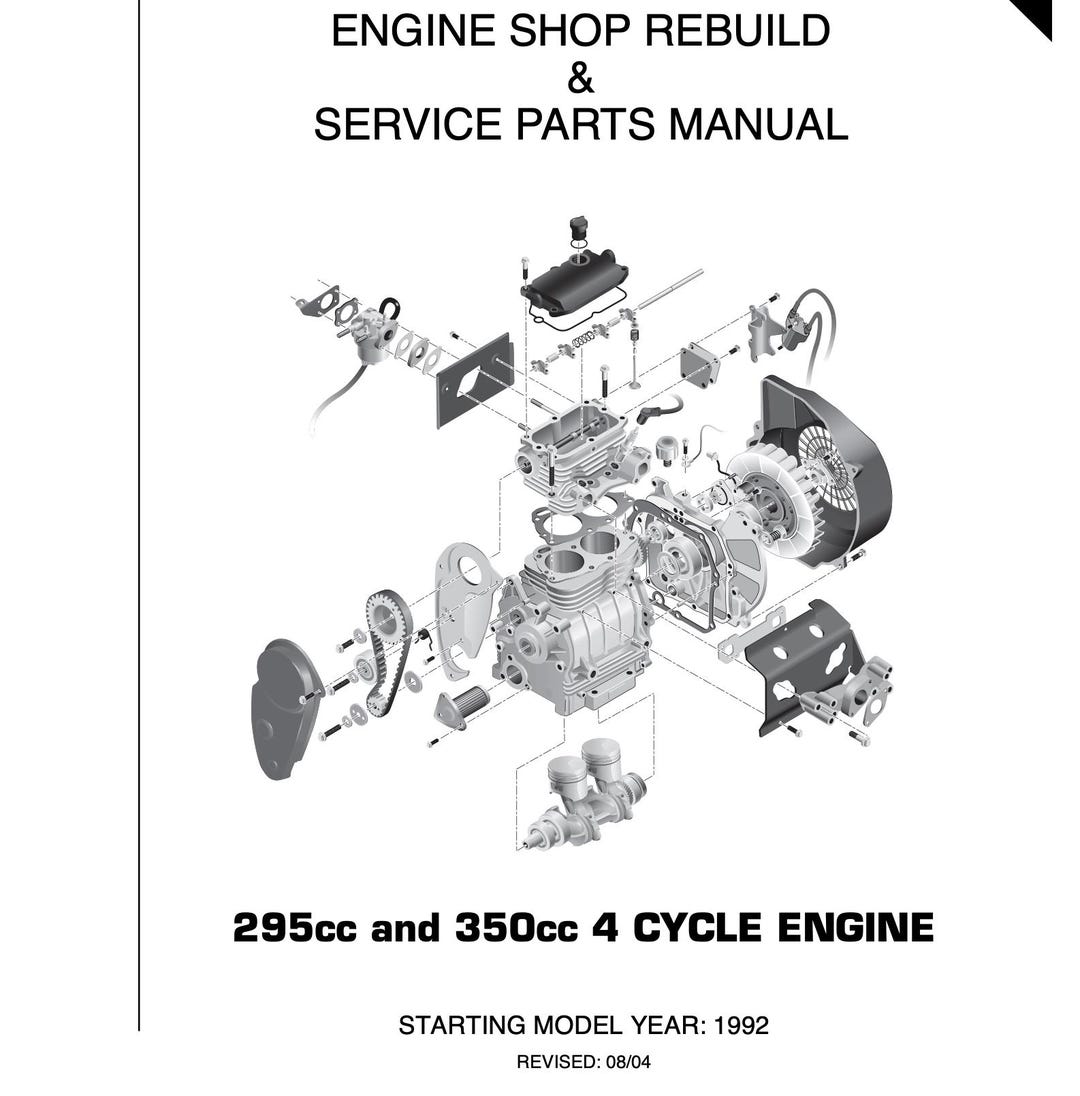
Gas-powered golf carts use small internal combustion engines designed for simplicity, durability, and fuel efficiency at low speeds. Unlike cars, they don’t idle continuously. Instead, they follow a start-stop system that activates only when the driver presses the accelerator.
Engine Start-Stop Mechanism
When you press the accelerator pedal, an electric starter engages and fires up the engine. The moment you release the pedal, the fuel supply cuts off and the engine shuts down. This eliminates unnecessary idling, saving fuel and reducing noise.
- No idle state: Engine turns off completely when not in use
- Instant restart: Electric starter activates with pedal press
- Reduced emissions: Less runtime means lower exhaust output
This system works because golf carts operate in stop-start environments, including pausing between holes, waiting at crossings, or standing still during loading. Continuous idling isn’t needed, making this design ideal for short bursts of movement.
Fuel Delivery and Ignition System
Most gas golf carts use a carburetor to mix air and fuel before sending it to the combustion chamber. Some newer models feature fuel injection for better efficiency and cleaner starts.
- Carbureted models: Use gravity-fed fuel systems with manual choke for cold starts
- Fuel-injected models: Automatically adjust air-fuel ratio based on temperature and load
- Ignition system: Powered by a battery that runs the starter, spark plug, and ignition coil
The engine typically runs on regular unleaded gasoline and requires basic maintenance like oil changes, air filter cleaning, and spark plug replacement based on hours of use.
Electric Golf Cart Power System

While gas carts rely on combustion, electric golf carts use battery-powered motors. These are increasingly popular due to their quiet operation, zero emissions, and lower maintenance needs.
Battery Pack and Voltage Setup
Electric golf carts run on deep-cycle lead-acid or lithium-ion batteries, usually arranged in a series to deliver varying voltage systems.
- 36V systems: Found in older or entry-level models using six 6V batteries
- 48V systems: Most common in modern carts using multiple batteries in series
- 72V systems: High-performance models with extended range and faster acceleration
Batteries must be charged after each use and maintained with regular water top-offs for lead-acid types. Lithium-ion options offer longer life, faster charging, and lighter weight but come at a higher cost.
DC Motor and Controller Operation
Power flows from the battery pack to a DC or AC motor through an electronic speed controller. This component regulates how much electricity reaches the motor based on accelerator input.
- Accelerator pedal: Connected to a potentiometer that signals the controller
- Speed controller: Adjusts voltage to the motor for smooth acceleration
- Regenerative braking: Some models return energy to the battery during deceleration
Unlike gas engines, electric motors deliver full torque instantly, allowing quick starts without gears.
Transmission and Drive System Design
Golf carts don’t use multi-speed transmissions like cars. Instead, they rely on simple, automatic systems that transfer power directly from the engine or motor to the rear wheels.
Centrifugal Clutch in Gas Carts
Gas-powered models often use a centrifugal clutch mounted on the engine’s crankshaft. As engine speed increases, weighted arms inside the clutch swing outward and engage a drum connected to the drive belt.
- Engages automatically at a set RPM threshold
- Disengages when engine stops
- Requires no driver input or shifting
This system is durable and low-maintenance but only effective at low speeds. It cannot maintain efficient engine RPM at highway speeds, which is why it’s not used in cars.
Why Centrifugal Clutches Fail in Cars
A centrifugal clutch cannot maintain a consistent engine speed across varying vehicle speeds. Modern vehicles use multi-gear transmissions or CVTs to keep engine RPMs within an efficient range during highway driving.
Direct Drive in Electric Models
Electric golf carts typically use a direct drive system, where the motor connects to the rear axle via a chain or belt.
- Chain drive: Most common, durable but requires lubrication and tension adjustment
- Belt drive: Quieter and cleaner, but less common and more expensive
Power delivery is seamless, with no clutch or gears to manage. The motor spins only when the accelerator is pressed, mimicking the start-stop behavior of gas carts.
Why Cars Don’t Use Golf Cart Systems
At first glance, the golf cart’s start-stop engine design seems ideal for city cars. The appeal of shutting off the engine at every red light is obvious. While the concept is sound, real-world driving demands more complexity than a golf course environment.
Start-Stop Systems in Modern Cars
Many modern vehicles do use automated start-stop technology, especially hybrids:
- Toyota Prius: Shuts off engine at stops, restarts when brake is released
- Honda Insight: Uses Integrated Motor Assist (IMA) to cut fuel during idle
- Volkswagen Lupo 3L: Early adopter of idle-stop for fuel efficiency
These systems rely on heavy-duty starters, enhanced batteries, and smart engine management to handle frequent restarts without excessive wear. The key requirement is that the engine must be fully warmed up for the system to function effectively.
Fuel and Emissions Trade-Offs
Modern engine control systems and direct fuel injection mean that restarting a warm engine consumes minimal additional fuel. Studies show that the fuel saved by turning off the engine during short stops can outweigh the small amount used during restarts. However, cold starts produce more pollutants due to incomplete combustion.
Battery and Charging Constraints
Electric golf carts run for a limited number of hours before needing a recharge. Their limited range is acceptable on a course but impractical for daily commuting without frequent charging.
- Long charge times for standard chargers
- Limited battery capacity compared to EVs
- Variable range depending on terrain and load
Modern electric vehicles use advanced battery management, thermal regulation, and fast-charging systems that far exceed golf cart capabilities.
Maintenance Tips for Longevity

Both gas and electric golf carts require regular upkeep to ensure reliable performance and extend lifespan.
Gas Cart Maintenance Checklist
- Oil changes: Based on hours of use or annually
- Air filter cleaning: Prevents poor combustion and starting issues
- Spark plug inspection: Replace if fouled or worn
- Fuel system care: Use fuel stabilizer if storing for extended periods
- Belt and clutch inspection: Look for wear, cracks, or slippage
Storing with a full tank and charged battery helps prevent corrosion and starting problems.
Electric Cart Maintenance Checklist
- Battery watering: Check electrolyte levels monthly for lead-acid types
- Terminal cleaning: Prevent corrosion with proper cleaning solutions
- Charger inspection: Ensure proper voltage output
- Chain tension: Adjust periodically based on use
- Controller ventilation: Keep clean and dry to avoid overheating
Always charge immediately after use to maximize battery life.
Performance in Different Conditions
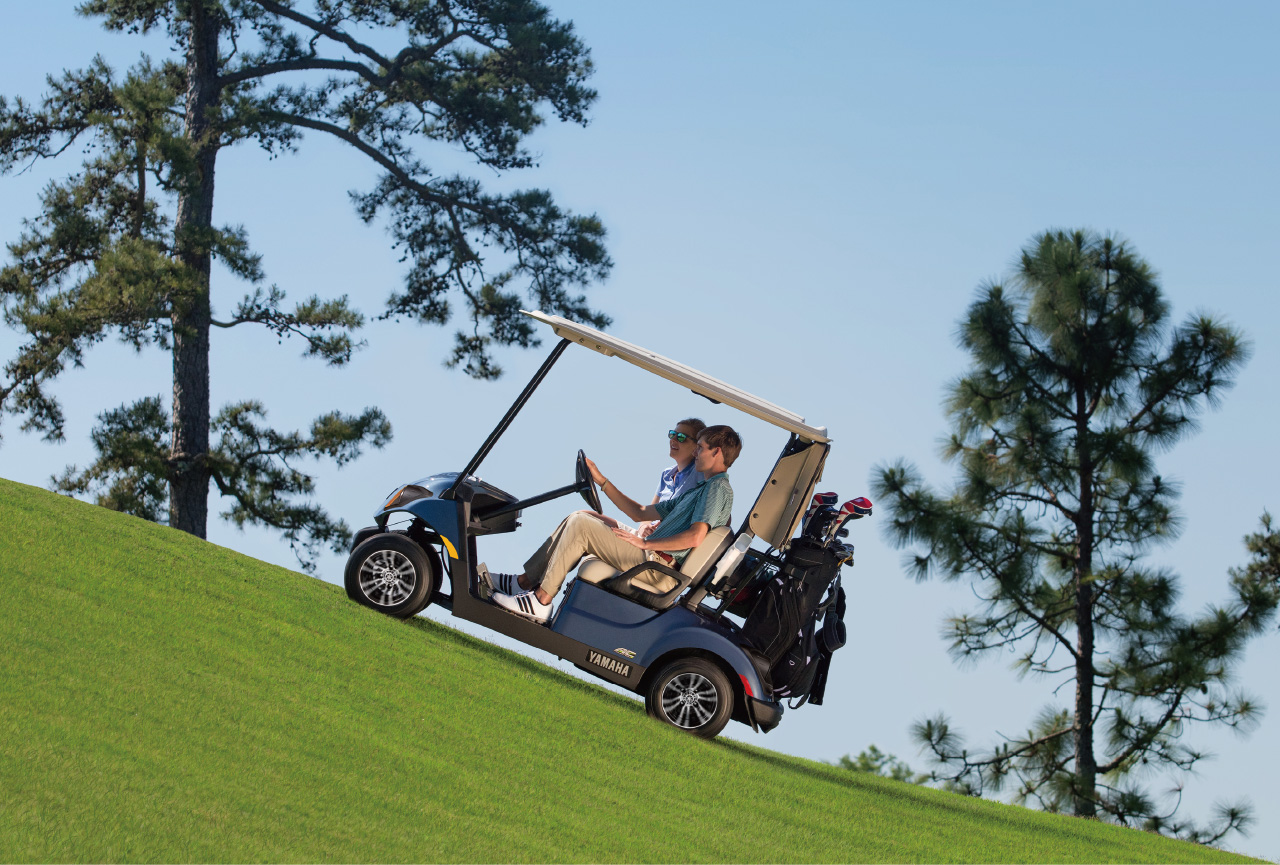
Golf carts are built for flat, paved paths, but many owners use them on uneven terrain, hills, or in adverse weather.
Hill Climbing Ability
- Gas carts: Better sustained power for inclines, especially with upgraded transmissions
- Electric carts: Strong initial torque but may experience limitations on long climbs
- Gear ratio adjustments: Aftermarket kits can improve climbing performance
Avoid riding sideways on slopes to prevent tipping.
Weather and Terrain Limits
- Rain exposure: Avoid deep puddles, as water can damage electrical components
- Dirt and dust: Clog air filters and moving parts, so clean after off-course use
- Cold weather: Reduces battery efficiency in electric models
Cover your cart when not in use and store in a dry area.
Frequently Asked Questions About Golf Cart Operation
Do golf cart engines idle like car engines?
No. Gas-powered golf cart engines shut off completely when the accelerator is released. They don’t maintain a low idle like car engines. The engine only runs when power is needed to move the cart.
Why don’t cars use centrifugal clutches?
Centrifugal clutches only work at low speeds and cannot maintain efficient engine RPM across varying vehicle speeds. Cars need multi-gear transmissions or CVTs to keep engines in their optimal operating range for fuel economy and power delivery.
How long does an electric golf cart battery last per charge?
Electric golf carts typically run for several hours on a single battery charge, depending on battery capacity, terrain, and load. Charging usually takes several hours with standard chargers.
Can golf cart start-stop systems work in cars?
Yes, modern cars use similar idle-stop technology, especially hybrids like the Toyota Prius and Honda Insight. However, these systems require heavy-duty starters, enhanced batteries, and computer-controlled engine management to handle frequent restarts reliably.
What fuel do gas golf carts use?
Most gas golf carts run on regular unleaded gasoline. They use small internal combustion engines designed for low-speed, short-distance operation rather than highway performance.
How often should you service a golf cart?
Gas carts need oil changes, air filter cleaning, and spark plug replacement based on hours of use. Electric carts require battery maintenance, terminal cleaning, and chain tension checks. Regular servicing extends lifespan and prevents breakdowns.
Key Takeaways on How Golf Carts Work
Golf carts operate on simple, efficient systems tailored for low-speed, short-range use. Gas models use start-stop engines and centrifugal clutches, while electric versions rely on battery-powered motors and electronic controllers. Though these designs aren’t suitable for cars due to performance and durability demands, their core principles like idle-stop operation have influenced modern fuel-saving technologies.
The future of efficient urban driving may not involve copying golf carts directly, but rather learning from them and building smarter, cleaner, more efficient vehicles. With proper maintenance and smart upgrades, a golf cart can provide reliable, eco-friendly transportation far beyond the fairway.





