
Every golfer knows the frustration of being sidelined by nagging pain. You might feel a sore back after 18 holes, a stiff shoulder that throws off your swing, or a wrist that aches with every drive. While golf may not look as intense as other sports, it places repetitive stress on joints and muscles, making golf injury prevention essential for players at every skill level.
The good news is that most golf-related injuries are preventable. With the right knowledge, mobility routines, and swing mechanics, you can protect your body and play pain-free for years. Events like MetroHealth’s free joint health talk at Sleepy Hollow Golf Course show how proactive care, including mobility training and professional swing assessments, can keep you in top form. In this guide, you will learn how to identify common injury risks, prepare your body before play, and adopt long-term strategies to stay strong, flexible, and injury-free.
Common Golf Injury Zones
Golf may seem low-impact, but the rotational force of the swing puts real strain on specific joints and muscles. Knowing which areas are most vulnerable helps you focus your prevention efforts where they matter most.
Lower Back: The Most Vulnerable Spot
The lower back absorbs the twisting motion of every swing. Repetitive rotation, especially with poor posture or limited hip mobility, can cause muscle strains, disc issues, or joint irritation. Players with weak core stability or excessive rotation face the highest risk.
What to watch for:
– Dull or sharp pain after swinging
– Stiffness when bending or standing up
– Pain that worsens over multiple holes
Prevention tip: Strengthen your core and improve hip flexibility to reduce rotational load on the spine.
Shoulder and Elbow Stress
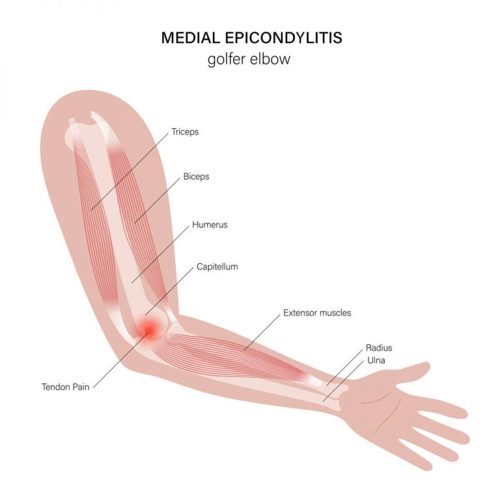
The shoulder moves through an extreme range of motion during the backswing and follow-through. Overuse or improper mechanics can trigger rotator cuff irritation or tendinitis. The lead elbow is prone to “golfer’s elbow” (medial epicondylitis), which stems from repetitive gripping and wrist motion.
Warning signs:
– Pain on the inner elbow when gripping or swinging
– Shoulder discomfort when lifting the club overhead
– Reduced swing speed caused by joint stiffness
Quick fix: Warm up shoulders with arm circles and band pulls before play.
Wrist and Hand Strain
The wrists stabilize the club at impact, making them vulnerable to overuse injuries. Poor grip technique or hitting the ground too hard can cause tendonitis or joint sprains.
Red flags:
– Swelling or tenderness around the wrist
– Clicking or popping during the swing
– Pain when holding or adjusting the club
Pro tip: Use a neutral grip and avoid over-tightening. Your hands should guide the club, not force it.
Warm Up Before You Play
Jumping straight into full swings is a fast track to injury. A proper warm-up boosts blood flow, improves joint mobility, and prepares your muscles for the demands of the game.
Dynamic Stretches for Golfers
Static stretching works best after play. Before teeing off, focus on dynamic movements that mimic your swing.
Try this 5-minute routine:
1. Arm Circles – 30 seconds forward, 30 seconds backward
2. Torso Twists – 10 reps per side, feet shoulder-width apart
3. Leg Swings – 10 front-to-back and side-to-side per leg
4. Lunges with Rotation – Step into a lunge, rotate torso toward the front leg (10 reps)
5. Shoulder Rolls and Neck Rolls – 15 seconds each
Why it works: These movements activate the core, hips, and shoulders, the key areas for a smooth, powerful swing.
Activate Your Core
Your core links your upper and lower body during the swing. Engaging it before play reduces strain on your back and improves control.
Simple activation drills:
– Plank Hold – 30 seconds
– Dead Bug – 10 reps per side
– Bird-Dog – 8 reps per side
Do these right on the practice range before hitting balls.
Improve Swing Mechanics
Even the fittest golfer can get hurt with poor technique. Efficient swing mechanics reduce joint stress and prevent overuse injuries.
Avoid Over-Rotation
Excessive backswing rotation, especially when hips lack mobility, forces your spine to twist past its safe range. This raises lower back injury risk.
How to fix it:
– Focus on hip and thoracic spine mobility drills
– Use video feedback to check your backswing angle
– Work with a trainer to find your optimal turn
Visual cue: At the top of your backswing, your lead shoulder should not disappear behind your trail shoulder.
Maintain Posture Through Impact
Swaying or lifting during the swing shifts stress to your spine and shoulders. A stable, athletic posture protects your joints.
Checkpoints:
– Keep your spine angle consistent
– Hinge at the hips, not the waist
– Engage your glutes and core throughout
Quick test: Record your swing from the side. Your head position should stay steady, not rise or fall dramatically.
Get a Professional Swing Assessment
A professional evaluation spots hidden flaws that lead to injury. MetroHealth’s free golf swing assessment by certified athletic trainers is a strong example of how expert feedback improves both performance and safety.
What they check:
– Joint alignment during swing phases
– Muscle imbalances or compensations
– Risk factors for overuse injuries
Takeaway: Small adjustments, like grip width or stance, can reduce joint strain and boost consistency.
Strengthen Key Muscle Groups

A strong body supports a resilient swing. Targeted strength training builds endurance and protects vulnerable areas.
Core Stability Exercises
Your core is your power center. Weakness here forces other joints to compensate.
Effective moves:
– Pallof Press – 3 sets of 10 reps per side
– Side Plank – 30 seconds per side
– Russian Twists – 15 reps per side (use light weight)
Frequency: 2 to 3 times per week for best results.
Hip and Glute Strength
Strong glutes stabilize your pelvis during rotation. Weak hips often lead to lower back pain.
Try these:
– Clamshells – 2 sets of 15 per side
– Glute Bridges – 3 sets of 12
– Lateral Band Walks – 10 steps each direction
Bonus: These moves also improve balance and power transfer in your swing.
Rotator Cuff and Forearm Conditioning
Prevent shoulder and elbow issues with targeted strengthening.
Shoulder routine:
– External Rotations with Band – 3 sets of 15
– Scapular Push-Ups – 3 sets of 10
– Y-T-W Raises – 10 reps each letter
Forearm prep:
– Wrist Curls and Extensions – 2 sets of 15 (light dumbbell)
– Grip Squeezes – 3 sets of 20 seconds
Aim for 2 to 3 sessions per week, especially if you play often.
Listen to Your Body
Pain is not normal. Pushing through discomfort leads to longer recovery times and more serious injuries.
Know the Difference: Soreness vs. Injury
- Normal soreness: Mild muscle fatigue, gone in 1 to 2 days
- Injury warning: Sharp pain, swelling, or pain that worsens with activity
Rule of thumb: If it hurts to swing, stop. Rest, ice, and assess.
Take Recovery Seriously
Recovery means more than rest. It includes active care.
Post-round routine:
– Cool down with light walking and static stretching
– Stretch key areas: hamstrings, hips, shoulders, wrists
– Hydrate and refuel with water and protein
Long-term: Schedule rest days, especially after multiple rounds.
Prevent Overuse Injuries
Golf is repetitive. Without variation, certain muscles and joints take constant pounding.
Limit Practice Volume
Hitting hundreds of balls in one session stresses your body. Gradually increase practice time.
Guidelines:
– Beginners: 30 to 50 balls max per session
– Regular players: 100 to 150 with breaks
– Take a full rest day between heavy practice days
Smart tip: Alternate driving range days with chipping or putting practice to reduce swing volume.
Cross-Train for Balance
Playing only golf creates muscle imbalances. Add other activities to build full-body resilience.
Best cross-training options:
– Walking or hiking – builds endurance without impact
– Swimming – improves shoulder mobility and cardio
– Cycling – strengthens legs with low back strain
– Yoga or Pilates – enhances flexibility and core control
Goal: 2 to 3 non-golf workouts per week.
Use Proper Equipment

Your gear should support your body, not work against it.
Choose the Right Clubs
Ill-fitting clubs force you into awkward positions. This increases joint stress and reduces efficiency.
Get fitted for:
– Club length (too long or short affects posture)
– Shaft flex (mismatch causes overcompensation)
– Grip size (too small or large strains hands and wrists)
Benefit: Proper clubs improve mechanics and reduce injury risk.
Wear Supportive Footwear
Golf shoes stabilize your feet during the swing. Worn-out or flat shoes reduce balance and increase ankle or knee strain.
Look for:
– Firm heel support
– Traction that matches your course conditions
– Comfortable fit with no pinching
Replace every 1 to 2 years or after 30 to 40 rounds.
Attend Injury Prevention Events
Learning from experts is one of the best ways to stay healthy. Events like MetroHealth’s free session at Sleepy Hollow Golf Course offer hands-on guidance you can’t get from videos or articles.
Why Free Assessments Matter
- Personalized feedback on your swing and posture
- Early detection of movement patterns that could lead to injury
- Access to professionals who understand golf biomechanics
Don’t wait for pain. Proactive care keeps you playing longer.
Register and Learn More
Mark your calendar: August 16 at 7:00 AM at Sleepy Hollow Golf Course. Bring your club and get a free golf swing assessment from a certified athletic trainer. It is a rare opportunity to improve your game while protecting your body.
Next step: Click the link in the comments to register and secure your spot.
Frequently Asked Questions About Golf Injury Prevention
What Is the Most Common Golf Injury?
The lower back is the most common golf injury. The rotational force of the swing, combined with poor posture or weak core stability, places repeated stress on the lumbar spine.
How Can I Prevent Golfer’s Elbow?
Warm up your forearms before play, use a neutral grip, and avoid over-tightening the club. Forearm conditioning with wrist curls and grip squeezes also reduces risk.
Should I Stretch Before Playing Golf?
Yes, but focus on dynamic stretches like arm circles, torso twists, and leg swings. Save static stretching for after your round.
How Often Should I Practice to Avoid Injury?
Limit practice sessions to 30 to 50 balls for beginners and 100 to 150 balls for regular players. Always take a full rest day between heavy practice days.
When Should I See a Professional About Golf Pain?
If you notice sharp pain, swelling, or discomfort that worsens during or after play, stop swinging and seek an evaluation. Early assessment prevents minor issues from becoming chronic injuries.
Does Proper Equipment Really Reduce Injury Risk?
Yes. Fitted clubs and supportive golf shoes improve posture, balance, and joint alignment, which lowers strain on your back, shoulders, elbows, and wrists.
Key Takeaways for Golf Injury Prevention
Golf injury prevention comes down to three core habits: warm up properly, build strength in the right areas, and refine your swing mechanics. A 5-minute dynamic routine, consistent core and hip training, and an annual professional swing check can dramatically lower your risk of pain.
Start small by adding one dynamic warm-up and one core activation drill to your next round. As your body adapts, layer in strength training and equipment checks. Above all, listen to your body and act early when something feels off.
Take advantage of expert resources like MetroHealth’s free event at Sleepy Hollow Golf Course on August 16. A certified athletic trainer can spot hidden flaws and give you a personalized plan. Play smart, stay strong, and enjoy every swing.





