

Picking the wrong irons can sabotage your scorecard before you even step up to the tee. With dozens of models on the market, knowing the main golf iron categories helps you match your clubs to your skill level and swing type. The four primary types—game improvement, cavity back, muscle back, and player’s irons—each serve a unique purpose on the course. This guide breaks down what defines each category, who they are designed for, and how design elements like perimeter weighting and center of gravity influence ball flight and forgiveness. You’ll also learn how to identify the right iron set for your handicap and playing style.
Iron Design & Performance Basics
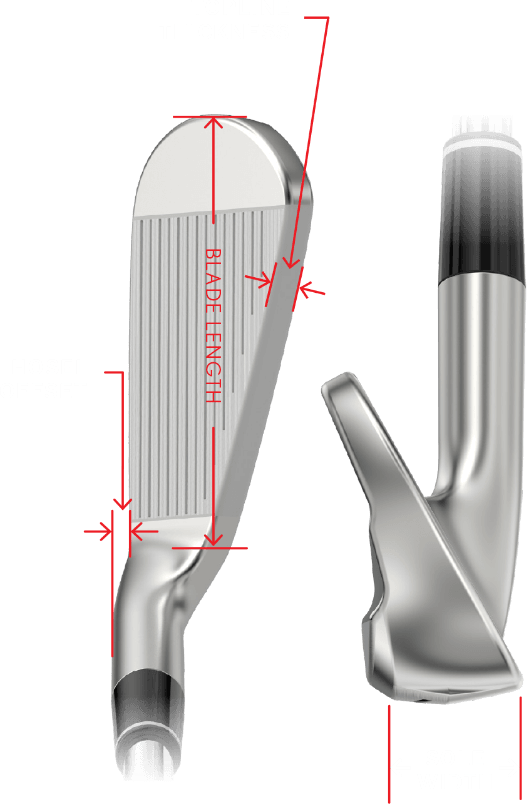
Before exploring specific categories, it helps to understand how iron design shapes performance. Modern irons use specific engineering features to improve launch, distance, and accuracy for different player types.
How Iron Shape Affects Play
The head size, topline thickness, and sole width of an iron offer visual clues to its performance purpose. Larger heads with wide soles and thick toplines are built for forgiveness, helping off-center hits fly straighter and travel farther. Compact heads with thin toplines offer more control but demand greater precision. These design choices separate beginner-friendly clubs from those favored by skilled players.
Key Design Features by Category
Each golf iron category uses distinct engineering to meet different player needs:
– Perimeter weighting shifts mass to the edges of the clubhead to boost forgiveness.
– Cavity back design removes metal from the rear, redistributing weight for higher launch and stability.
– Muscle back (blade) irons feature a solid back with even weight distribution, offering superior feel and workability.
– Offset in some irons helps square the clubface at impact, reducing slices.
These features directly influence how easy an iron is to hit, how high the ball launches, and how much feedback you receive at contact.
Game Improvement Irons

Designed for high-handicap and beginner golfers, game improvement irons maximize forgiveness and make it easier to get the ball airborne.
Built for Maximum Forgiveness
These irons feature oversized heads, wide soles, and deep cavity backs that stabilize off-center strikes. The center of gravity sits low and deep, promoting a higher launch with less effort. This helps slower swingers generate more distance and consistency. Many models also include alignment aids and progressive set designs, with stronger lofts in long irons and more traditional lofts in short irons, to boost overall yardage.
Best For High-Handicap Players
If you consistently score above 90 or carry a handicap above 15, game improvement irons are likely your best choice. They help reduce slices, minimize distance loss on mishits, and build confidence at address. Popular models include the TaylorMade Stealth HD, Callaway Big Bertha, and Cleveland Launcher XL.
Common Design Traits
- Thick topline and wide sole
- High MOI (moment of inertia) for stability
- Strong lofts for added distance
- Lightweight shafts for faster swing speeds
These clubs prioritize performance over appearance, so they may look bulky to advanced players. For beginners, that extra help is exactly what the game demands.
Cavity Back Irons

Cavity back irons form a broad category that includes both game improvement and player-focused designs, all sharing a hollowed-out back section.
What Defines a Cavity Back
By removing metal from the back of the clubhead, manufacturers redistribute weight to the perimeter. This increases forgiveness and makes the club more stable on off-center strikes. The result is more consistent distance and accuracy, even when you miss the sweet spot.
Who Benefits Most?
Cavity backs suit mid-handicap golfers (handicaps 10–18) who want a blend of forgiveness and control. They are also used by better players in long irons, such as 3- and 4-irons, where extra help launching the ball is beneficial. Some tour players use cavity back long irons paired with blades in scoring clubs.
Progressive Cavity Designs
Many modern sets use progressive cavity back technology, meaning the cavity gets smaller from long to short irons. Long irons have deeper cavities for forgiveness, while 8-irons, 9-irons, and wedges have shallower cavities for better feel and shot-shaping. This hybrid approach delivers versatility across the entire set.
Player’s Irons

Also known as tour-level irons, player’s irons are designed for skilled golfers who prioritize control, workability, and feedback.
Precision Over Forgiveness
These irons typically feature thinner toplines, narrower soles, and minimal offset. They offer less margin for error but provide superior shot-shaping ability and crisp feedback on contact. The compact head inspires confidence for players who consistently strike the center of the clubface.
Best For Low-Handicap Golfers
If you shoot in the 70s or carry a single-digit handicap, player’s irons may suit your game. They are commonly seen in the bags of scratch golfers and professionals. Examples include the Titleist T-Series (T100, T200), Mizuno Pro series, and Ping iBlade.
Design Focus: Feel and Control
- Minimal perimeter weighting
- Thin topline and clean look at address
- Centered sweet spot for consistent strike patterns
- Often forged for enhanced feel
While they do not offer the same distance on mishits, their consistency and responsiveness reward skilled ball-striking.
Muscle Back (Blade) Irons
The purest form of player’s iron, muscle back or blade irons are forged from a single piece of metal with a solid back.
The Feel of True Blades
Blades deliver unmatched feedback, as every mis-hit is felt instantly, helping skilled players fine-tune their swing. The weight sits evenly distributed behind the ball, giving a balanced, responsive feel at impact. Many professionals and low-handicap amateurs prefer blades for their workability and classic aesthetics.
Who Should Use Blades?
Only golfers with consistent ball-striking should consider blade irons. They require precise timing and contact to perform well. Most recreational players will struggle with distance loss and inconsistency when using blades. However, some game improvement wedges mimic blade looks while incorporating hidden technology for added forgiveness.
Pros and Cons Summary
Pros:
– Superior feel and feedback
– Excellent shot control
– Clean, classic appearance
Cons:
– Low forgiveness on mishits
– Harder to launch high
– Not ideal for beginners or high-handicappers
Despite their challenges, blades remain a favorite among purists and tour professionals who value precision above all else.
Super Game Improvement Irons
A subset of game improvement irons, super game improvement (SGI) irons take forgiveness to the extreme for golfers who need the most help.
Maximum Help for Struggling Players
These clubs are engineered for golfers who need the most possible assistance. They feature ultra-wide soles, very high MOI, and often include game-enhancing technology like AI-designed faces, flexible crowns, and adaptive shafts. Some models even resemble hybrid clubs more than traditional irons.
Designed for Seniors and Beginners
SGI irons are perfect for seniors, beginners, or anyone with a swing speed under 80 mph. They help get the ball airborne quickly and maintain distance across the set. Models like the Callaway Epic Max, Cobra F-Max, and Wilson Launch Pad dominate this category.
Trade-Offs in Look and Feel
While performance is high, these irons often look bulky and produce a different sound and feel at impact. Advanced players may find them unappealing, but for those needing help, they can transform the experience on the course.
Choosing the Right Iron Category
Selecting the best iron category depends on your skill level, swing characteristics, and performance goals.
Match Irons to Your Handicap
- Handicap 20+: Game improvement or super game improvement irons
- Handicap 10–20: Mid-sized cavity back or progressive irons
- Handicap 5–10: Player’s cavity back or muscle back long irons with blades in short irons
- Single-digit or scratch: Player’s irons or full blade sets
Your ability to consistently strike the ball cleanly is the biggest factor in this decision.
Consider Your Ball Flight Needs
If you struggle to get the ball airborne, look for irons with low center of gravity and strong lofts. If you tend to hook or slice, perimeter weighting and offset can help straighten your shots. For better players, trajectory control and spin matter more than raw forgiveness.
Get Fitted for Best Results
Club fitting is crucial for matching equipment to your swing. A professional fitter can analyze your swing speed, launch angle, and strike pattern to recommend the ideal iron type, shaft flex, and lie angle. Many brands offer custom configurations within each golf iron category.
Iron Hybrids: A Modern Alternative

Many golfers now replace long irons with hybrid clubs, which combine the best traits of woods and irons.
Why Replace Long Irons?
Long irons (2-, 3-, 4-irons) are notoriously hard to hit. Hybrids offer a larger head, lower center of gravity, and wider sole, making them easier to launch and more forgiving. Most game improvement and SGI sets include hybrid-like long irons or suggest replacing them entirely.
Blending Sets for Performance
It is common to see sets configured with:
– Hybrids replacing 3- and 4-irons
– Game improvement irons from 5-iron through pitching wedge
– Blades or player’s irons in the wedges
This mixed approach optimizes performance across the entire set.
Popular Hybrid-Iron Combos
Brands like TaylorMade (SIM UDI), Callaway (Apex Utility), and Ping (G430 Hybrid) offer utility irons that bridge the gap between hybrids and traditional irons. These are ideal for players who want more control than a hybrid but more forgiveness than a long iron.
Frequently Asked Questions About Golf Iron Categories
What are the four main golf iron categories?
The four main categories are game improvement, cavity back, muscle back (blade), and player’s irons. Each serves a different skill level and performance goal.
Which iron category is best for beginners?
Game improvement and super game improvement irons are best for beginners and high-handicap players. They offer maximum forgiveness and help get the ball airborne with less effort.
What handicap should use blade irons?
Blade or muscle back irons suit golfers with single-digit handicaps or scratch players who consistently strike the ball in the center of the clubface. Most recreational players will struggle with their low forgiveness.
Are cavity back irons better than blades?
Neither is objectively better. Cavity backs offer more forgiveness and distance, while blades provide better feel and shot control. The right choice depends on your skill level and goals.
Can you mix iron categories in one set?
Yes, many golfers mix categories within a set. A common setup includes hybrids or game improvement long irons, cavity back mid-irons, and blades in the short irons and wedges.
How does club fitting affect iron choice?
A professional fitting analyzes your swing speed, launch angle, and strike pattern to match you with the right iron type, shaft, and lie angle. Fitting ensures your golf iron categories align with your actual swing characteristics.
Key Takeaways for Choosing Your Ideal Iron Category
Understanding golf iron categories empowers you to make smarter equipment decisions that match your current skill level. Start by identifying your handicap and most common ball flight issues, then narrow down the category that addresses those needs. Game improvement and SGI irons serve beginners and high-handicappers, while cavity backs bridge the gap for mid-handicap players. Low-handicap golfers and professionals benefit most from player’s irons or blades that reward precision. Your next step is to schedule a club fitting or test multiple models at a local shop to find the irons that feel right and perform best for your swing.





