
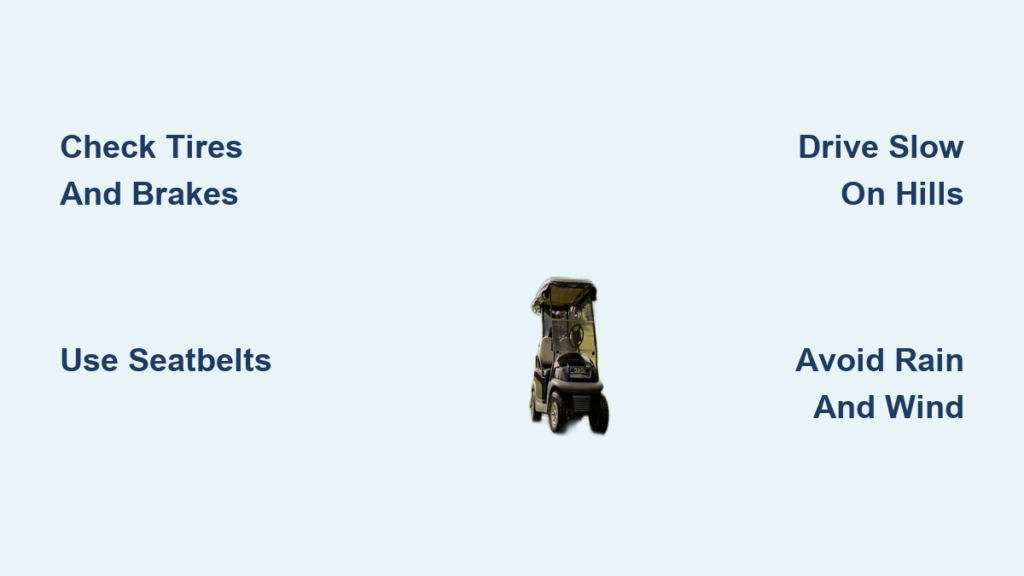
Every year, thousands of golf cart-related injuries occur, not just on the course, but at resorts, retirement communities, and private properties. While golf carts are convenient and eco-friendly, their lightweight design and open structure make them prone to tipping, speeding, and passenger ejections if not operated responsibly. Whether you are a first-time rider or a frequent user, understanding golf cart safety tips can prevent accidents and ensure a smooth, enjoyable experience for everyone on board.
This guide delivers actionable, easy-to-follow safety practices based on real-world risks and manufacturer recommendations. You will learn how to inspect your cart before use, avoid common driving mistakes, secure passengers, and adapt to changing terrain and weather. From seatbelt use to nighttime visibility, these golf cart safety tips cover every phase of operation, helping you protect yourself, your passengers, and others nearby.
Pre-Ride Inspection Steps
Before turning the key, take five minutes to inspect your golf cart. Many accidents stem from overlooked mechanical issues that could have been caught early.
Check Tires and Brakes
Examine tires for proper inflation, tread wear, and signs of cracking or bulging. Underinflated or damaged tires reduce stability, especially on uneven terrain. Test the brakes by slowly driving forward and stopping, and ensure they respond quickly without pulling to one side. If the brake pedal feels soft or requires excessive pressure, have the system inspected.
Inspect Lights and Horn
Verify that headlights, brake lights, turn signals, and the horn are functional, especially if you plan to drive after dusk or in low-visibility conditions. Non-working lights increase collision risk in shared pathways or road crossings.
Test Steering and Seatbelts
Turn the steering wheel from lock to lock. It should move smoothly without excessive play. Loose steering can lead to loss of control on curves. If your cart is equipped with seatbelts, ensure they retract properly and latch securely. Never assume they are safe just because they are present.
Safe Driving Practices
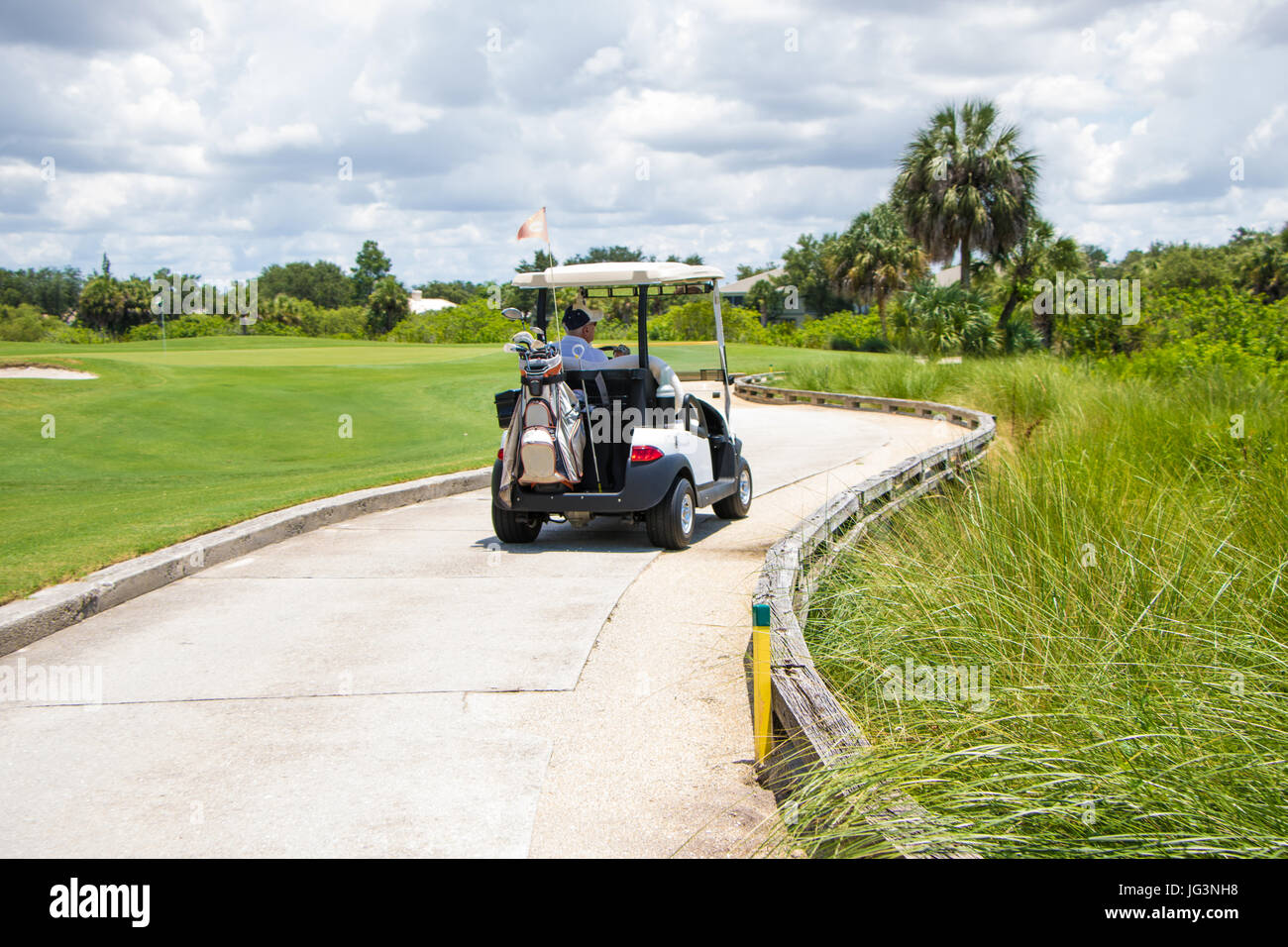
Operating a golf cart may seem simple, but poor habits lead to rollovers, collisions, and pedestrian injuries, especially in crowded or hilly areas.
Drive at a Safe Speed
Most golf carts max out between 12 and 15 mph, but safe speed depends on conditions. Stick to 5 to 8 mph on winding paths, near buildings, or in congested zones. Speeding reduces reaction time and increases the risk of tipping when turning. Slow down before curves and avoid braking mid-turn.
Avoid Sharp Turns at High Speed
Golf carts have a high center of gravity and narrow wheelbase, making them prone to tipping. Always reduce speed before turning, especially on slopes or loose gravel. Never make sudden swerves or aggressive turns with passengers on board.
Stay on Designated Paths
Only drive on approved roads, paths, or trails. Avoid unpaved terrain, steep hills, or soft ground unless your cart is specifically designed for off-course use. Straying from paved areas increases the chance of getting stuck or rolling over.
Passenger Safety Rules
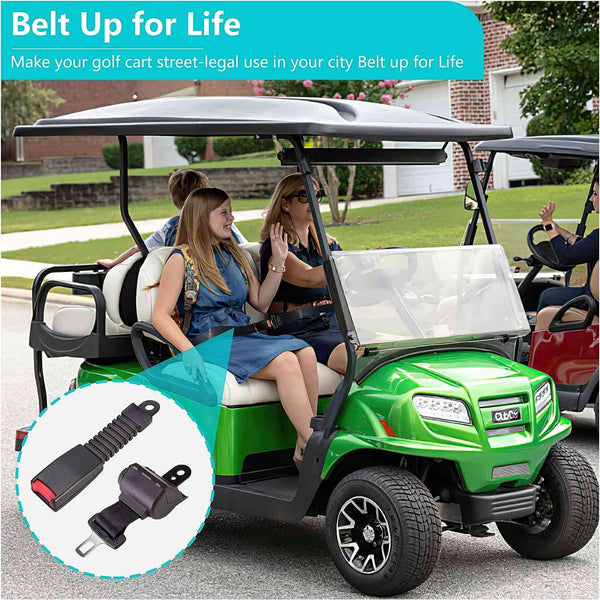
Overloading and unrestrained passengers are leading causes of injury in golf cart accidents.
Never Overload the Cart
Follow the manufacturer’s seating capacity, typically 2, 4, or 6 seats. Never allow extra riders to stand, sit on laps, or ride on the back, sides, or front of the cart. Overloading shifts the center of gravity and reduces braking efficiency.
Require Seatbelts When Available
If your cart has seatbelts, everyone must wear them, both front and rear. Seatbelts significantly reduce the risk of ejection during sudden stops or rollovers. In models without seatbelts, consider installing an aftermarket kit if compatible.
Keep All Body Parts Inside
Remind passengers to keep hands, feet, arms, and legs inside the cart at all times. Reaching out can result in collisions with trees, signs, or other carts, especially on narrow paths.
Navigating Hills and Slopes
Driving on inclines is one of the most dangerous aspects of golf cart operation.
Drive Straight Up and Down Hills
Never turn sideways when ascending or descending a slope. Tilting the cart across a hill increases rollover risk. Always approach inclines head-on and maintain a straight line.
Avoid Steep or Unstable Slopes
If a hill feels too steep or the ground appears loose or wet, do not attempt it. Most standard golf carts are not designed for grades over 15%. When in doubt, walk the route first or find an alternate path.
Use Proper Gear on Descents
For manual transmission carts, use a low gear when going downhill to maintain control without riding the brakes. For electric models, ease off the accelerator early and allow regenerative braking to assist. Avoid sudden stops on declines.
Weather and Visibility Precautions
Poor weather and low light drastically affect golf cart safety.
Avoid Driving in Rain or Wind
Wet surfaces reduce traction and increase stopping distance. Wind can destabilize lightweight carts, especially when empty or with open sides. If caught in a storm, pull over to a safe, sheltered area and wait it out.
Use Lights After Dusk
Most communities prohibit golf cart use after dark unless equipped with proper lighting. Turn on headlights, taillights, and reflectors if driving at dawn, dusk, or night. Wear bright clothing or reflective gear to stay visible.
Install Windshields in Cold Weather
Cold winds can distract or impair drivers. If your cart lacks a windshield, consider adding one for comfort and safety during cooler months. Avoid using aftermarket enclosures that block visibility or ventilation.
Maintenance and Storage Tips

Regular upkeep keeps your golf cart reliable and safe over time.
Charge Batteries Safely
Charge your cart in a well-ventilated area, away from flammable materials. Use only the manufacturer-recommended charger. Overcharging or using damaged cords can cause fires. Unplug once fully charged.
Store in a Secure Location
Keep your cart locked in a garage or designated area when not in use. This prevents unauthorized use, especially by children, and protects it from weather damage or theft.
Schedule Professional Inspections
Even with regular self-checks, have your cart inspected annually by a certified technician. They can identify hidden issues with wiring, suspension, or frame integrity before they become hazards.
Special Rules for Communities and Resorts
Many neighborhoods and vacation areas have specific regulations for golf cart use.
Obey Local Speed Limits
Some communities set maximum speeds as low as 10 mph on shared roads. Posted signs take precedence over your cart’s capabilities. Respect residential zones and school areas.
Register and Insure Your Cart
In many states, golf carts used on public roads must be registered, insured, and equipped with safety features like mirrors, seatbelts, and turn signals. Check your local DMV guidelines before driving beyond private property.
Yield to Pedestrians
Always give the right-of-way to walkers, especially children and seniors. Approach crosswalks slowly and make eye contact when possible. A friendly wave goes a long way in preventing misunderstandings.
Emergency Preparedness
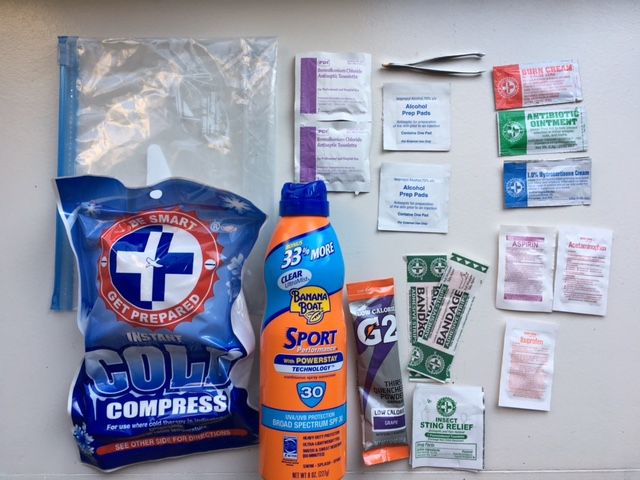
Be ready to respond if something goes wrong.
Carry a Communication Device
Keep a charged cell phone or two-way radio on hand in case of breakdowns or medical emergencies. Signal strength can be weak in remote areas of large courses or gated communities.
Know How to Respond to a Rollover
If your cart begins to tip, do not jump. Stay seated, hold on, and brace for impact. Jumping increases the chance of being struck by the cart or sustaining serious injury. After a rollover, check for injuries and call for help before attempting to move the vehicle.
Keep a Basic First Aid Kit
Store a small first aid kit in your cart with bandages, antiseptic wipes, gloves, and any personal medications. It is a simple step that can make a big difference in minor accidents.
Frequently Asked Questions About Golf Cart Safety Tips
What is the safest speed to drive a golf cart?
The safest speed for a golf cart is typically between 5 and 8 mph, especially in crowded, winding, or residential areas. Most carts can reach 12 to 15 mph, but conditions like turns, slopes, and nearby pedestrians require slower speeds.
Are seatbelts really necessary on a golf cart?
Yes, seatbelts are highly recommended, especially in carts that can tip over or make sudden stops. If your cart is equipped with them, all passengers should buckle up. Aftermarket seatbelt kits are available for many models.
Can golf carts be driven in the rain?
It is best to avoid driving golf carts in rain whenever possible. Wet surfaces reduce traction, increase stopping distance, and raise the risk of skidding or tipping. If you are caught in rain, stop in a sheltered area and wait for conditions to clear.
How many people can safely ride in a golf cart?
Golf carts should only carry the number of passengers specified by the manufacturer, usually 2, 4, or 6 people. Extra riders, including those standing or sitting on laps, should never be allowed, as overloading increases tipping and injury risks.
What should you do if a golf cart starts to tip over?
If your golf cart begins to tip, stay seated, grip the steering wheel or handhold, and brace for impact. Never jump out during a rollover, as you could be struck by the cart or suffer serious injury. After the cart stops, check for injuries and call for help.
Final Thoughts on Golf Cart Safety
Following golf cart safety tips dramatically reduces the risk of accidents and ensures a safer experience for everyone involved. Always perform a quick pre-ride inspection, drive at appropriate speeds, and make sure all passengers are properly seated and buckled. Respect local rules, stay alert in changing weather, and keep your cart well-maintained.
The next step is simple: review this checklist before your next ride and share these practices with family, guests, or fellow riders. A few minutes of preparation can prevent injuries and keep every trip smooth, enjoyable, and safe.





