
You turn the key and hear nothing but silence, or just a single click. A gas golf cart won’t start for several predictable reasons, and most can be diagnosed at home with basic tools. The frustration of a non-running cart is real, especially when you need it for the course or property work.
This guide walks you through every common cause, from fuel problems to ignition failures. You will learn systematic troubleshooting steps, what tools you need, and how to apply the right fix for each issue.
Check Fuel System First

Before testing anything electrical, confirm the basics. Fuel problems cause more no-start situations than any other issue, especially in carts that sit unused for weeks.
Confirm Fresh Fuel in Tank
Old gasoline is a top reason a gas golf cart won’t start. Fuel degrades over time, and ethanol-blended gas attracts moisture that corrodes fuel system components.
- Remove the gas cap and smell for a sour, varnish-like odor
- Drain old fuel using a siphon pump into an approved container
- Refill with fresh, ethanol-free gasoline rated for small engines
- Add fuel stabilizer if the cart sits more than two weeks between uses
Pro tip: Never store fuel longer than 30 days without stabilizer.
Inspect Fuel Line and Filter
Follow the fuel line from the tank to the carburetor and look for visible problems.
- Check for cracks, kinks, or loose connections
- Inspect the inline fuel filter for clogs or discoloration
- Replace the filter every 6 to 12 months as preventive maintenance
To confirm fuel flow, disconnect the line at the carburetor, place the end in a container, and crank the engine briefly. Fuel should flow steadily. No flow means a blocked pickup tube or failed fuel pump.
Test the Ignition System
When fuel reaches the engine but combustion never happens, the ignition system is the prime suspect. No spark means the air-fuel mixture cannot ignite.
Verify Spark Plug Function
The spark plug creates the spark that lights the fuel. A fouled or damaged plug prevents ignition entirely.
- Remove the spark plug using a socket wrench
- Inspect the electrode for black oily deposits, white blistering, or heavy carbon
- Measure the gap with a feeler gauge (typically 0.025 to 0.030 inches)
- Reconnect the plug to the boot and ground it against the engine block
- Crank the engine and watch for a visible blue spark
No spark confirms a plug, wire, or coil problem. Replace the plug first since it is inexpensive and often the sole cause.
Diagnose Ignition Coil Output
The ignition coil transforms battery voltage into the high-voltage current the spark plug needs. Test it with a multimeter set to ohms.
- Disconnect both wires from the coil
- Test primary resistance across the positive and negative terminals (expect 0.5 to 2.0 ohms)
- Test secondary resistance from the positive terminal to the high-tension output (expect 6,000 to 12,000 ohms)
Readings outside these ranges mean the coil has failed and needs replacement.
Examine the Starter and Crank System
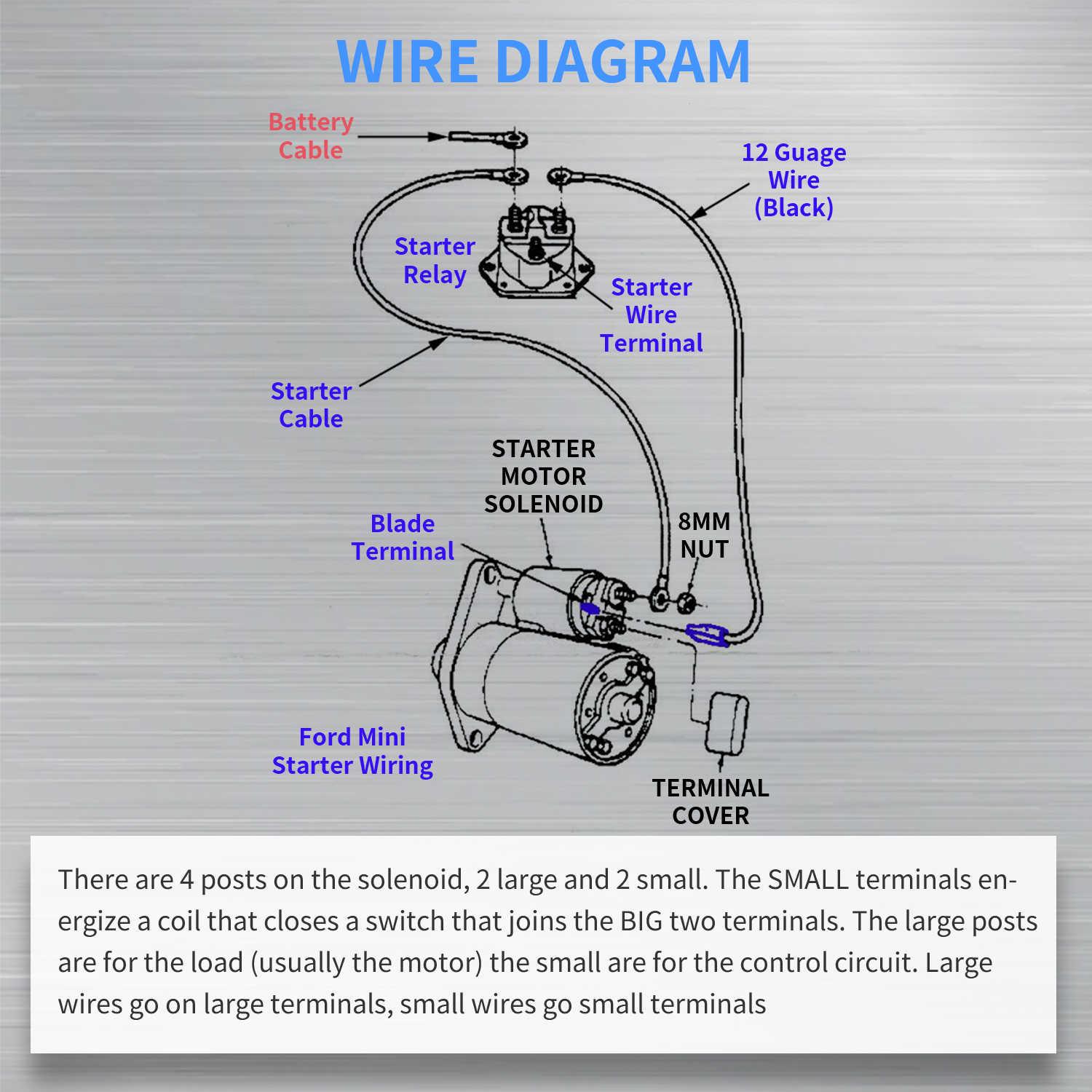
When the engine does not turn over at all, focus on the battery, solenoid, and starter motor. These components deliver the mechanical force needed to crank the engine.
Listen for Cranking Sounds
Turn the key and pay attention to what you hear.
- Complete silence points to an electrical fault in the key circuit or battery
- A single click indicates the solenoid is engaging but not completing the circuit
- Grinding or slow cranking suggests a weak battery or failing starter motor
Test Battery Voltage
Gas carts still rely on a 12V battery to power the solenoid, ignition, and starter. Use a multimeter to check voltage at the terminals.
- Resting voltage should read 12.4 to 12.7 volts
- Voltage during cranking should stay above 9.6 volts
- Readings below 12.0 volts at rest mean the battery needs charging or replacement
Clean corroded terminals with a wire brush and tighten all connections before retesting.
Inspect Solenoid Operation
The solenoid acts as a relay between the battery and starter. A failed solenoid cuts power to the starter even when the battery is strong.
- Locate the solenoid near the battery or engine
- Confirm 12V at the large terminal coming from the battery
- Turn the key to start and check for 12V at the small signal terminal
- If input voltage is present but no output to the starter, the solenoid is bad
Replace a faulty solenoid immediately. Avoid relying on the screwdriver bypass method as a permanent fix.
Assess Carburetor and Air Intake
A gummed-up carburetor is one of the most common reasons a gas golf cart won’t start, especially after months of storage. Varnish from old fuel clogs the tiny jets and passages inside.
Look for Flooded Engine Signs
If you smell strong gasoline after repeated starting attempts, the engine is likely flooded.
- Remove the spark plug and crank the engine 5 to 10 seconds to expel excess fuel
- Let the cylinder air dry for several minutes
- Reinstall the plug and attempt to start with the throttle closed
Clean or Rebuild the Carburetor
When fuel reaches the carburetor but the engine still won’t start, a thorough cleaning is needed.
- Remove the air filter and carburetor from the engine
- Disassemble carefully and photograph or label each part
- Soak metal components in carburetor cleaner (avoid rubber parts)
- Blow out all passages with compressed air, focusing on the idle and main jets
- Replace gaskets and install a rebuild kit with fresh needles and seats
- Reinstall the carburetor and reconnect the fuel line
Pro tip: Label fuel line routing before disconnecting to avoid mixing up connections during reassembly.
Evaluate Safety Switches and Wiring
Modern gas carts include safety interlocks that prevent starting under unsafe conditions. A failed switch can mimic every other problem on this list.
Test Key Safety Switches
Common switches that can block starting include the reverse switch, seat switch, forward/reverse lever switch, and clutch or brake switch.
- Engine clicks but won’t crank often signals a bad seat or brake switch
- Cart starts only in certain gears points to the forward/reverse lever switch
- No response from the key may indicate the ignition switch itself
Test each switch with a multimeter in continuity mode. Disconnect the switch, activate the lever or plunger, and confirm continuity. Replace any switch that fails the test.
Inspect the Wiring Harness
Wiring damage from rodents, corrosion, or vibration frequently causes no-start conditions.
- Check along the frame for chewed insulation or exposed wire
- Inspect connectors for corrosion or loose fit
- Repair damaged sections using solder and heat shrink tubing
Check Engine Compression
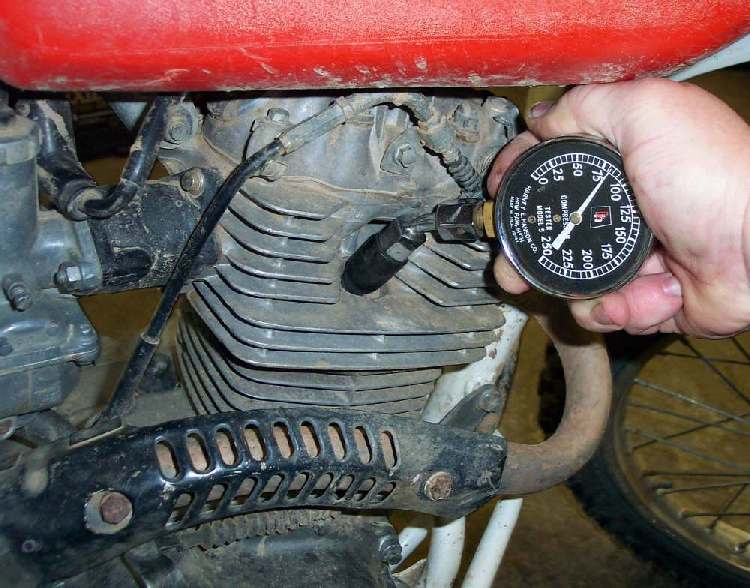
Low compression prevents the engine from building enough pressure to ignite fuel. This issue is less common but more serious than fuel or spark problems.
Perform a Compression Test
You will need a compression gauge rated for small engines.
- Remove the spark plug
- Thread the gauge into the spark plug hole
- Hold the throttle wide open
- Crank the engine 5 to 6 revolutions
- Record the highest PSI reading
Most gas golf cart engines should show 90 to 110 PSI. Readings below 80 PSI suggest worn piston rings, leaking valves, or a blown head gasket. Engine repair or replacement may be necessary at that point.
Prevent Future No-Start Issues
Regular maintenance prevents most breakdowns before they happen.
Use Fresh Fuel with Stabilizer
Ethanol attracts moisture and breaks down quickly. Always use ethanol-free gas when available and add stabilizer with every fill-up.
Change Spark Plug Annually
Replace the spark plug every 12 months or 100 hours of use. A fresh plug ensures strong ignition and prevents fouling.
Clean Carburetor Every 6 Months
Clean the carburetor biannually, especially if the cart sits for extended periods. Preventive cleaning avoids costly rebuilds.
Check Battery Monthly
Even gas carts depend on the battery for ignition and safety systems. Test voltage and clean terminals every month.
Frequently Asked Questions About Gas Golf Cart Starting Problems
Why does my gas golf cart click but not start?
A single click usually means the solenoid is engaging but not sending full power to the starter. Common causes include a weak battery, corroded terminals, or a failed solenoid. Test battery voltage first, then check the solenoid for proper input and output.
Can old gas keep a golf cart from starting?
Yes. Stale or contaminated fuel is the leading cause of no-start conditions in gas golf carts. Old fuel forms varnish that clogs carburetor jets and prevents combustion. Drain old fuel and refill with fresh gasoline.
How do I know if my spark plug is bad?
Remove the plug and inspect the electrode. Black oily residue, white blistering, or heavy carbon buildup all indicate a bad plug. You can also ground the plug against the engine and crank the engine to check for visible spark.
What voltage should a gas golf cart battery have?
A healthy 12V battery should read 12.4 to 12.7 volts at rest. During cranking, voltage should remain above 9.6 volts. Readings below these ranges mean the battery needs charging or replacement.
Do gas golf carts have safety switches that prevent starting?
Yes. Most modern gas carts include seat switches, brake switches, and forward/reverse interlocks. A failed safety switch can prevent cranking even when all other systems work properly. Test each switch with a multimeter.
How often should I clean my gas golf cart carburetor?
Clean the carburetor every 6 months as preventive maintenance, or sooner if the cart sits unused for long periods. Regular cleaning prevents varnish buildup and keeps fuel flowing properly.
Final Thoughts on Diagnosing a Gas Golf Cart That Won’t Start
A gas golf cart won’t start due to one of four predictable issues: fuel delivery, spark, compression, or electrical faults. Working through the fuel system first, then ignition, starter, and safety switches covers nearly every common cause. Most fixes take under an hour and cost less than $50 in parts.
Your next step is simple. Start with the fuel system, confirm fresh gas and clear lines, then move to the spark plug. These two checks solve the majority of no-start problems before you ever need a multimeter.





