

You’ve probably heard it before: golf is a rich person’s game. From country club memberships to $600 drivers, the price tags add up fast. But why is golf so expensive? It’s not just about fancy gear or exclusive clubs. There are real, structural reasons behind the high cost. Whether you’re a beginner wondering why a round costs $80 or a casual player trying to stretch your budget, understanding the true drivers of golf’s expense can help you make smarter choices on and off the course.
The reality is, golf doesn’t have to break the bank, but it often does. The sport carries a unique combination of high infrastructure costs, premium equipment pricing, and social expectations that inflate spending. A single round can cost more than a month of gym membership. A full set of clubs can rival a used car. And if you want lessons, a bag, and access to a good course, that’s when the numbers really climb. In this guide, we’ll break down exactly why golf is so expensive, from course upkeep to gear inflation, and show you how players at every income level navigate the cost without quitting the game.
Course Maintenance Drives Up Green Fees
Golf courses aren’t just grassy fields. They’re meticulously maintained landscapes requiring constant care. That pristine fairway and smooth green you enjoy take serious money to keep looking that way.
Daily Upkeep Costs Add Up Fast
Courses must be mowed, watered, fertilized, and treated for pests, often daily. This isn’t lawn care. It’s agricultural-level maintenance spread across 150 or more acres. Equipment like mowers, irrigation systems, and aerators are expensive to buy and maintain. Staffing alone, including greenskeepers, cart attendants, and pro shop workers, represents a major payroll expense.
Environmental compliance, water usage permits, and insurance further increase overhead. All of this gets passed on to players through greens fees.
$1 Million+ in Annual Maintenance
On average, a single 18-hole course spends $700,000 to $1.4 million per year just on maintenance. With around 30,000 rounds played annually, that breaks down to $23 to $47 per round just to cover upkeep, before profit, taxes, or facility costs are even considered. No wonder a mid-tier round costs $60 to $100.
Courses in drought-prone areas face even higher water and compliance costs, pushing fees even higher. And private clubs? Their members pay not just for play, but for luxury amenities like clubhouses, pools, and dining.
Land and Construction Costs Run Deep
Building a golf course isn’t like setting up a soccer field. It’s a massive real estate and engineering project that demands significant capital from day one.
Prime Land, High Price Tags
Courses require large plots of land, typically 120 to 200 acres. In desirable areas like suburbs, resort towns, and coastal regions, land alone can cost millions. Even rural plots aren’t cheap when developers factor in zoning, environmental studies, and infrastructure needs.
Once acquired, the land must be sculpted: holes designed, drainage installed, irrigation laid, and turf planted. Design fees from well-known architects can run into six figures.
Hidden Ongoing Costs: Taxes and Utilities
After construction, the expenses don’t stop. Property taxes on hundreds of acres can total tens of thousands per year. Utilities, especially water, add tens of thousands more. These ongoing costs make it hard for courses to lower prices, even as player numbers fluctuate throughout the season.
Many public courses operate on thin margins. To survive, they must charge enough to cover not just daily operations, but decades of investment.
Equipment Costs Shock New Players

For many beginners, the sticker shock starts at the pro shop. Unlike sports where you can borrow gear or buy secondhand for $20, golf demands a significant upfront investment that catches first-timers off guard.
Clubs: $600+ for a New Set
A beginner set of clubs from major brands like Callaway, TaylorMade, or Titleist typically starts at $600 to $800. Drivers alone can cost $500 or more. While used sets are available for $200 to $400, many new players feel pressure to buy new for performance and image reasons.
Custom fittings, which are recommended for serious improvement, add another $100 to $300. Premium shafts? $300 or more each. The message is clear: better gear means better play. But at what cost?
The Performance Gap Is Real
One player compared a $630 2023 driver to a $130 off-the-rack M2 and noted a massive difference. Their dispersion went from a 60-foot circle to a 30-foot circle. That’s huge for accuracy off the tee.
Newer clubs offer better forgiveness, distance, and consistency. But that technology comes at a price. And manufacturers release new models every year, encouraging frequent upgrades that drain your wallet.
Balls, Bags, and Hidden Fees Add Up Quickly
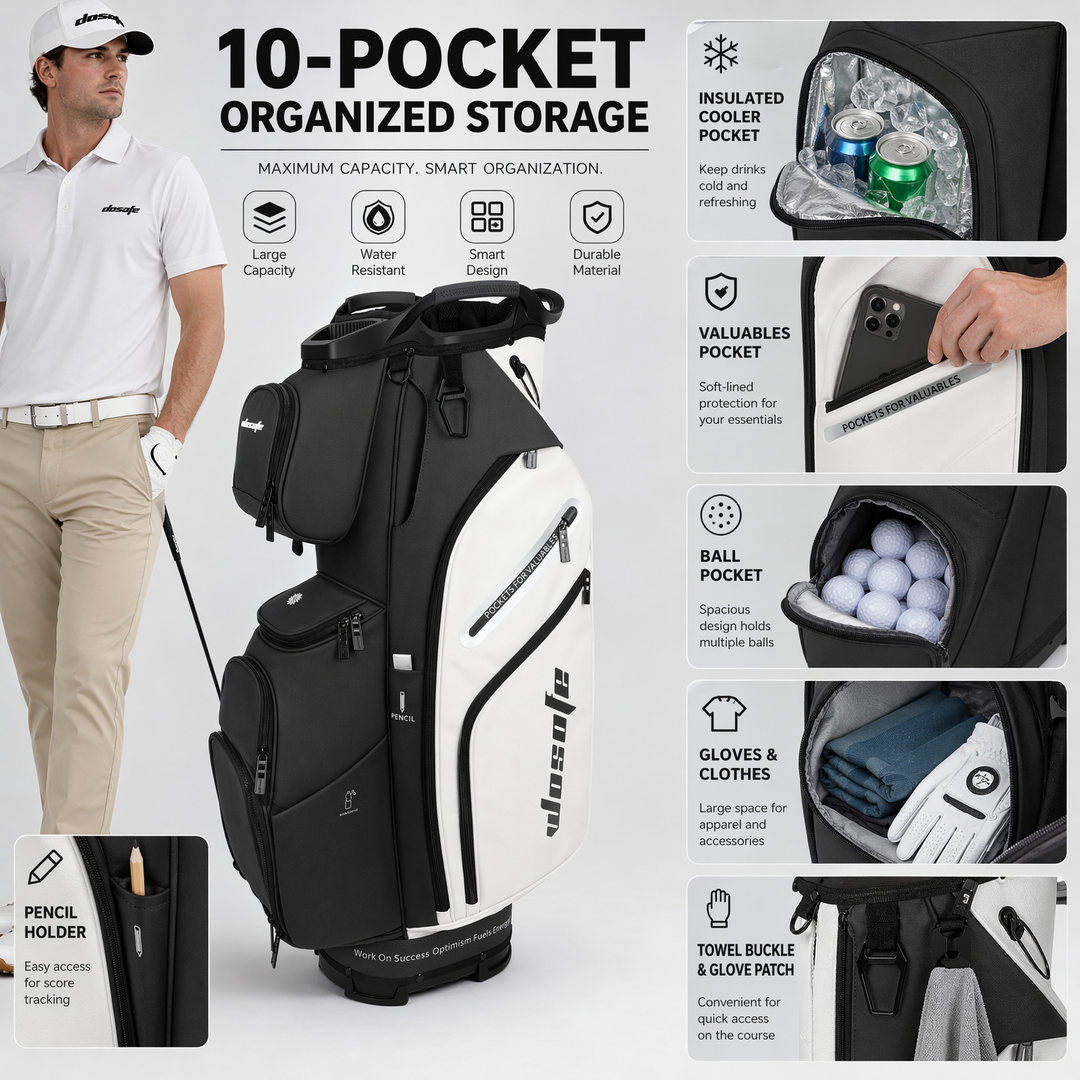
Even after buying clubs, the spending doesn’t stop. Small expenses pile up faster than most beginners expect.
Golf Balls: $50+ Per Dozen
A dozen premium balls, such as the Titleist Pro V1, cost $50 to $60. Many players lose several per round. At that rate, ball costs alone can hit $200 or more per month for frequent players who play once or twice a week.
Range balls are cheaper but often waterlogged or damaged. Some ranges charge $12 for 60 balls, and better-quality range balls cost more.
Bags and Accessories: $100 to $500+
A basic stand bag starts at $100. Cart bags? $200 or more. Add a rangefinder ($300), GPS watch ($400), or premium gloves ($20 per pair), and gear costs quickly surpass $1,000 before you’ve even stepped on the first tee.
Tees vary too. Free wooden ones can be found on the course, but premium “brush tees” cost $1 each and reduce friction. Small choices lead to big cumulative costs over a season.
Apparel: The Unspoken Price of Entry
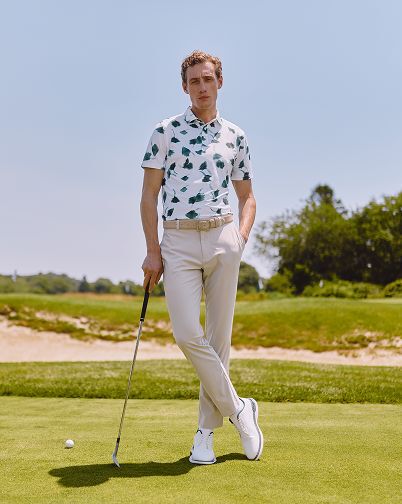
Golf has dress codes. And looking the part isn’t cheap, especially when you factor in the branding markup.
Polo Shirts, Chinos, and Shoes
Most courses require collared shirts, tailored shorts or pants, and golf shoes. A single polo from a golf brand like Nike, Adidas, or TravisMathew costs $60 to $100. Golf shoes? $120 to $250. A full outfit can easily hit $300 or more.
While not all courses enforce strict rules, many players feel social pressure to dress the part, even at public courses where standards are more relaxed.
Branding Inflates Prices
Golf apparel is often priced higher than equivalent casual wear. A $90 polo shirt might cost $30 in a non-golf brand. The markup comes from brand association and course culture that rewards looking the part.
Cost Depends on How You Play
Here’s the truth: golf is as expensive as you make it. Your spending depends on choices, not just income level.
Casual Players: $100 to $500 Per Year
If you play occasionally, buy used gear, and skip extras, golf can be affordable. A used set ($300), municipal course fees ($25 to $40 per round), and free range time keep costs manageable for budget-conscious players.
One player shared their strategy: they found a 3-month family membership for $880, including carts. Split with their son, that was $357 each. They played every day, averaging $8 per round including the cart.
Competitive Players: $1,000 to $5,000+
Serious players invest much more: lessons ($75 to $150 per hour), new clubs, tournament fees, travel, and premium memberships. Private clubs can cost $5,000 to $50,000 or more to join, plus monthly dues that add up year after year.
The deeper you go into competitive play, the more you spend. But the sport doesn’t force it. Your goals and ambitions do.
Smart Ways to Save on Golf
You don’t need deep pockets to enjoy golf. Many players cut costs significantly without sacrificing fun or improvement.
Book Discounted Tee Times
Use apps like GolfNow or TeeOff to find last-minute deals. Rounds often drop to $15 to $25, especially during twilight hours or weekday mornings when courses need to fill slots.
In Florida, summer deals offer $10 to $15 rounds. In northern states, shoulder-season discounts can slash prices by 50% during off-peak months.
Buy Used Gear Instead of New
eBay, Facebook Marketplace, and Golf Galaxy’s used section offer quality clubs at 50 to 70% off retail prices. Older models from the 2010s, including drivers and irons, still perform well for most recreational players.
One user shared: they got a full set of 2015 irons and a driver for $250. They’re not the latest tech, but they get the job done on the course.
Used golf balls cost around $15 for a dozen online. Many are lake-recovered but in excellent condition and play nearly as well as new balls.
Skip the On-Course Extras
Avoid on-course drinks, skip the pro shop impulse buys, and bring your own snacks. Play 9 holes instead of 18 when time and budget are tight. Use free ranges or practice at local parks.
One player saved big by playing every day, never buying new gear, and skipping the cart beer. Their average cost per round stayed under $10.
Golf vs. Other Sports: A Cost Reality Check
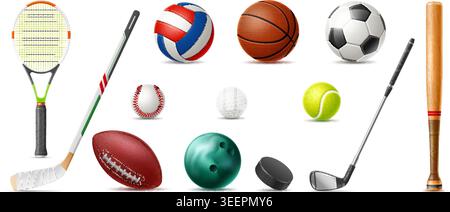
Compared to most sports, golf is expensive. Here’s how it stacks up against common alternatives.
Soccer: $10 Ball, Free Field
All you need is a ball ($10), cleats (optional), and open space. Free to play. Organized leagues cost little compared to golf memberships.
Disc Golf: $5 Disc, Free Courses
A starter disc costs $5 to $15. Courses are typically located in public parks and free to access. Total startup cost: under $20.
Tennis: Hand-Me-Down Racket, Free Courts
Many cities offer free public tennis courts. A used racket costs nothing or about $20. Balls run $3 per can and last for multiple matches.
Golf: $100 Minimum, $1,000+ Long-Term
Even a bare-bones start costs $100 or more (used clubs, one round). Long-term, most players spend $500 to $2,000 per year if they play regularly.
No other mainstream sport has such a high barrier to entry and ongoing cost.
The Myth of the “Rich Man’s Game”
Yes, golf has elite historical roots. But today, players come from all backgrounds and income levels.
Municipal Courses Open Access
Public and municipal courses make golf accessible to everyday players. In cities like New York, Chicago, and Los Angeles, affordable rounds are widely available, especially with online discounts.
Many veterans, teachers, and blue-collar workers play regularly. They just play smart and budget carefully.
Perception vs. Reality
The “rich man’s game” image persists because of media coverage, country club culture, and PGA Tour broadcasts. But most golfers aren’t wealthy. They’re everyday people who budget for the sport as a priority.
As one player put it: “Golf is expensive. No matter your income level or your amount of available spending money.” It’s not about wealth. It’s about priorities.
Frequently Asked Questions About Golf Costs
Why does a round of golf cost so much?
A round of golf costs so much because courses spend $700,000 to $1.4 million annually on maintenance, land, taxes, utilities, and staff. With about 30,000 rounds played per year, those fixed costs translate to $23 to $47 per round just for upkeep, before any profit margin or facility fees are added.
Are golf clubs really worth $600 or more?
Yes, new golf clubs from major brands typically start at $600 to $800 for a full set. Drivers alone can exceed $500. The price reflects technology, materials, and brand positioning. However, used clubs from recent model years offer similar performance at 50 to 70% off retail.
What is the cheapest way to start playing golf?
The cheapest way to start playing golf is buying used clubs ($200 to $300), playing municipal courses ($15 to $30 per round using discount apps), and using free or low-cost driving ranges. Total startup cost can be under $400.
Can you play golf on a budget?
Yes, you can play golf on a budget by buying used equipment, booking discounted tee times through apps like GolfNow, playing twilight or weekday rounds, and avoiding on-course extras like drinks and snacks. Many players keep costs under $10 per round.
Is golf more expensive than other sports?
Golf is significantly more expensive than most other sports. Soccer requires only a $10 ball, disc golf needs a $5 disc and free courses, and tennis uses public courts and inexpensive rackets. Golf requires a minimum $100 investment and typically $500 to $2,000 per year for regular players.
Key Takeaways for Budget-Conscious Golfers
So, why is golf so expensive? Because of land, labor, equipment, and culture. But also because players often choose to spend more than they need to.
You can play for under $10 a round. You can buy used clubs that last years. You can avoid the pro shop and still enjoy 18 holes with friends. The sport doesn’t demand luxury. But it tempts you with it at every turn.
If you’re willing to be strategic, book discounts, buy used, and skip the extras, golf doesn’t have to cost a fortune. But if you chase the latest gear, private clubs, and perfect conditions, the sky’s the limit on what you’ll spend.
In the end, golf is expensive because we let it be. But it doesn’t have to be. Start with one used club and one cheap round, and build from there.





