
Winter weather can devastate golf course irrigation systems when temperatures plummet. Water trapped inside sprinkler lines expands as it freezes, cracking pipes, bursting fittings, and knocking entire zones offline. For superintendents and grounds crews, frozen pipe repair golf operations demand speed and precision to prevent cascading damage across fairways and greens. The longer a freeze goes unaddressed, the greater the risk of soil heaving, head misalignment, and costly spring renovations.
This guide walks you through proven methods to identify freeze locations, thaw lines safely, and execute lasting repairs. You’ll also learn preventive strategies that reduce emergency calls and protect your irrigation investment season after season.
Identify Frozen Zones Quickly on Your Golf Course
Pinpointing the exact freeze location is the foundation of effective repair. Delayed detection amplifies damage and extends downtime.
Inspect Non-Responsive Sprinkler Heads
Start by examining sprinkler heads in failed zones for ice blockage. Remove the nozzle and check for frost or ice accumulation inside the riser. If water fails to flow when the zone activates, a freeze is likely somewhere upstream. Use a multimeter to confirm solenoid and valve functionality before assuming a pipe issue.
Measure Valve Box Temperatures
Open valve boxes and compare ambient air readings using an infrared thermometer. Boxes registering well below surrounding temperatures suggest ice formation within connected lines. Mark these zones immediately for targeted thawing efforts.
Thaw Irrigation Pipes Without Causing Damage
Applying heat incorrectly can warp PVC, melt polyethylene, or scorch surrounding turf. Controlled thawing protects your infrastructure.
Use the Circulating Warm Water Method
For accessible components like backflow preventers, wrap pipes with towels and slowly pour warm (not boiling) water over the surface. You can also connect a garden hose to a hot water spigot and circulate warm water through a bypass line. This gradual approach prevents thermal shock and melts ice evenly.
Apply Heat Tape to Exposed Fittings
Wrap heat tape around frozen sections of above-ground piping, especially at unions and couplings where water collects. Set the tape to low or medium heat and cover it with foam pipe wrap. Check every 30 minutes to avoid overheating. This technique works best for short pipe runs near pump stations or control valves.
Excavate and Repair Buried Irrigation Lines
:max_bytes(150000):strip_icc()/fixing-a-leaking-black-poly-pipe-2718678-04-22285369fe8a412589cc3376094997f9.jpg)
Underground freezes require careful digging and precise splicing. Rushed repairs create weak joints that fail under pressure.
Locate the Freeze Point with Steam Thawing
Insert a flexible steam wand into the lateral line through a removed sprinkler head. Advance slowly while applying low-pressure steam. Listen for water flow to resume, which indicates the ice blockage has cleared. Once water flows freely, trace backward to estimate the freeze origin and mark the surface above for excavation.
Replace Damaged Polyethylene Tubing
Cut out cracked or bulging sections using a pipe cutter or sharp utility knife. Deburr both ends and insert a brass coupling or barbed fitting. Secure with stainless steel hose clamps or compression sleeves. Test the repair under low pressure before backfilling, then compact soil in 2-inch layers to prevent settling.
Prevent Recurring Frozen Pipes on the Course
Prevention reduces winter emergencies and extends system lifespan. Proactive measures cost far less than repeated repair cycles.
Blow Out Lines Thoroughly Before Winter
Use a high-volume air compressor rated at a minimum of 20 CFM to purge water from every zone. Start at the highest elevation and work downward. Run each zone until only dry air exits the heads, typically 30 to 60 seconds per zone. Never exceed 50 PSI, as this can damage valves or pipes.
Install Insulated Valve Box Covers
Place insulated lids on all valve boxes located in frost-prone areas. These covers reduce heat loss and can delay ground freezing by up to two weeks. Pair them with straw bales or geotextile blankets during extreme cold snaps for additional protection.
Avoid Common Frozen Pipe Repair Myths
Misinformation leads to wasted time and worsened damage. Knowing what doesn’t work saves resources.
Never Use Open Flame to Thaw Pipes
Propane torches may seem like a fast solution, but they create serious fire risks and can melt poly piping instantly. PVC sections can also deform or release toxic fumes when overheated. Always choose indirect, controlled heat sources instead.
Don’t Rely Solely on Draining the System
Some low spots retain water even after a complete blowout. Without proper slope or vacuum-assisted drainage, residual moisture will freeze during cold snaps. Install automatic drain valves at low points to ensure complete water evacuation.
Optimize Your Irrigation System Design
Strategic upgrades reduce long-term vulnerability and lower maintenance labor costs.
Redesign Problem Zones with Proper Slope
Regrade lateral lines to maintain a minimum 1% downhill slope toward drain valves. This ensures gravity-assisted drainage and eliminates water traps. Use laser grading tools during installation for maximum precision.
Add Remote Monitoring Sensors
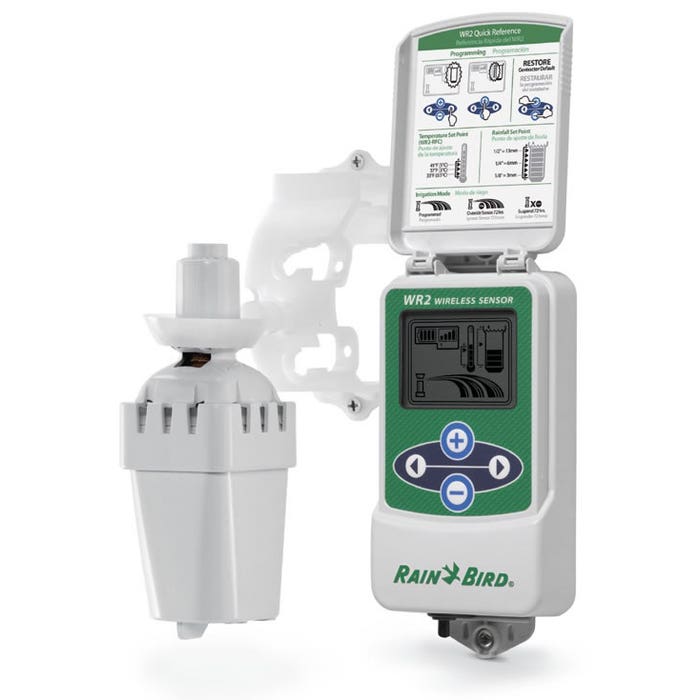
Install freeze alert sensors at critical junctions that send real-time temperature alerts to your smartphone. Some advanced systems integrate with weather forecasts to trigger automatic blow-down cycles before freezing events occur.
Train Your Maintenance Team for Winter Readiness
Prepared staff respond faster and make fewer costly errors during emergencies.
Conduct Annual Freeze-Response Drills
Schedule winter readiness simulations before cold weather arrives. Practice locating blockages, setting up thawing equipment, and making temporary repairs under time pressure. Track team performance to identify areas for improvement.
Stock Repair Kits Near High-Risk Zones
Keep waterproof containers stocked with essential supplies at maintenance sheds near vulnerable areas. Include heat tape, clamps, spare couplings, pipe cutters, and insulated gloves for rapid deployment during emergencies.
Frequently Asked Questions About Frozen Pipe Repair on Golf Courses
What temperature causes golf course irrigation pipes to freeze?
Pipes typically begin freezing when temperatures reach around 28 degrees for extended periods, especially if lines are shallow or uninsulated. Wind chill and soil moisture content can accelerate freezing at slightly higher air temperatures.
How long does it take to thaw a frozen irrigation pipe?
Thawing time depends on pipe depth, material, and freeze severity. Above-ground sections may thaw in 30 minutes to an hour with heat tape, while buried lines can take several hours using steam methods. Patience prevents pipe damage.
Can frozen irrigation pipes thaw on their own?
Yes, but waiting risks pipe cracking from expanding ice. Active thawing is safer and prevents the freeze from spreading to additional zones. Monitor weather forecasts and intervene before damage occurs.
What PSI is safe for blowing out golf course irrigation lines?
Maintain pressure below 50 PSI during winterization. Most systems operate at 40 to 80 PSI during regular use, but blowouts require lower pressure with higher volume (minimum 20 CFM) to clear water safely.
How do you find a broken pipe underground on a golf course?
Start by isolating zones and checking for pressure drops. Steam thawing helps locate blockages, while visual inspection during excavation confirms cracks. Remote sensors can also pinpoint problem areas by detecting temperature anomalies.
When should golf course irrigation systems be winterized?
Complete winterization before the first sustained hard freeze in your region, typically when nighttime temperatures consistently drop below 40 degrees. Early preparation prevents rushed blowouts during emergency cold snaps.
Key Takeaways for Frozen Pipe Repair Golf Operations
Effective frozen pipe repair golf management comes down to three priorities: fast diagnosis, safe thawing, and strong prevention. Always verify electrical components before assuming a pipe freeze, and use gradual heat sources rather than open flames. Replace damaged polyethylene with proper couplings and test repairs before backfilling.
Your next step is to schedule a winter readiness drill and inspect your repair kit inventory before the first hard freeze arrives. Courses that prepare in advance recover faster and spend less on emergency repairs each spring.





