
Every golfer has felt the frustration of a sliced drive veering into the trees or a pulled iron shot missing the green. More often than not, these issues stem from common golf swing mistakes that begin at the very start of the swing. The good news? Most of these flaws are fixable with targeted adjustments, especially when you address them early.
Two of the most widespread faults, poor takeaway mechanics and the over-the-top downswing, are closely linked. A flawed takeaway sets up a chain reaction that leads to steep, inefficient downswings and inconsistent ball striking. But by focusing on core engagement and natural movement patterns, you can correct both issues at once.
In this guide, you’ll learn how to diagnose and fix these foundational swing errors using simple drills and body-aware techniques. You’ll discover how pros like Adam Scott maintain a repeatable swing plane, and how you can apply the same principles without overhauling your entire technique.
By the end, you’ll have actionable steps to create a smoother takeaway, eliminate over-the-top moves, and hit straighter, more powerful shots starting today.
Fix Your Takeaway First
A flawed takeaway is the root cause of many swing problems. When the club moves too far inside or behind you early in the backswing, it disrupts your swing path and forces compensations later. This leads to slices, hooks, and weak contact.
The key isn’t to manipulate the club with your hands. It’s to initiate the swing with your core. Most amateurs rely too much on arm movement, which disconnects the upper body from the lower body and flattens the swing plane.
Instead, think of your swing as a rotation around your spine, not a lift with your arms. When done correctly, the club stays on plane, your arms remain wide, and your backswing sets up a powerful downswing.
Engage Your Core Early
Your core muscles (abs, obliques, lower back) are the engine of a consistent takeaway. Without early engagement, your arms dominate the motion, pulling the club off plane.
Try this: imagine lifting a heavy bucket of golf balls with both hands. You wouldn’t use just your arms. You’d brace your core to support the lift. That same tension should be present at the start of your swing.
How to do it:
– At address, gently tighten your midsection like you’re preparing to twist slightly.
– Begin the takeaway by rotating your core, not your arms.
– Keep your spine stable and avoid swaying or sliding.
This small activation prevents your right arm from collapsing and keeps the club moving along the correct arc. You’ll feel more connected and in control.
Pro Tip: If your clubface points skyward too early, it’s a sign your arms are working independently. Re-engage your core and restart the takeaway with a unified upper-body turn.
Use the Hand-to-Rib Drill
This simple drill trains the correct takeaway path using your body’s natural motion.
Steps:
1. Stand in your golf stance.
2. Bring your hands together in front of your chest, palms facing each other.
3. Keep your lead hand (left for right-handed golfers) fixed and don’t move it.
4. Rotate your core slightly and pull your hands back to rib-cage height.
5. Feel the arc your hands follow. It should be wide and shallow.
Now, pick up a club and replicate that same motion. The club should move along the same path: wide, in front of your body, and on plane.
Why it works: This drill eliminates arm-dominant takeaway errors. It teaches your body to use core rotation to start the swing, which maintains width and promotes a proper swing plane.
Practice Tip: Do this drill 5–10 times before every round. It resets muscle memory and reinforces the correct movement pattern.
Stop the Over-the-Top Move
The over-the-top swing is one of the most common causes of a slice. It happens when the club comes down from outside the target line, cutting across the ball. This creates left-to-right spin (for right-handed golfers) and robs you of distance and accuracy.
But here’s the truth: the over-the-top move isn’t usually caused by what happens during the downswing. It’s the result of a poor takeaway and loss of connection at the top.
When the club goes too far inside on the backswing, the body tries to “recover” by pulling the club over the top on the way down. It’s a compensation, not the root problem.
Diagnose the Over-the-Top Fault
Look for these signs:
– Ball slices or pushes to the right
– Clubhead strikes the ground outside your stance
– Shoulders spin out too fast on the downswing
– Frequent topped or thin shots
If you see these, you’re likely coming over the top.
Quick Test: Film your swing from down-the-line. At the top, your club should point down the target line or slightly inside. If it’s pointing to the right (outside), you’re set up for an over-the-top move.
Maintain Left Arm-Shoulder Connection
The fix lies in preserving connection between your lead arm and chest at the top of the swing.
Think of your left arm (for right-handed golfers) as an extension of your chest. As you rotate back, your arm should move with your torso, not independently.
How to do it:
– At the top of your backswing, feel that your left armpit is closed.
– Your left arm should feel “connected” to your side, not lifted away.
– Your chest should face slightly away from the target, not fully open.
This connection creates width and encourages a shallower downswing path. Instead of coming steeply over the top, the club drops inside, delivering the clubface square to the ball.
Visual Cue: Imagine drawing a straight line from your left shoulder down your arm to the club. That line should stay intact through the downswing.
Drill: The Towel Tuck Drill
This drill reinforces arm-torso connection and prevents early arm separation.
Steps:
1. Tuck a small towel or headcover under your left armpit.
2. Make slow backswings and downswings.
3. Keep the towel in place the entire time.
If the towel falls, your left arm has disconnected from your body.
Benefits:
– Trains proper arm-body synchronization
– Prevents over-rotation of the shoulders
– Encourages a connected, one-piece downswing
Do 10–15 reps before practice. It builds muscle memory fast.
Prevent Slices and Pulls
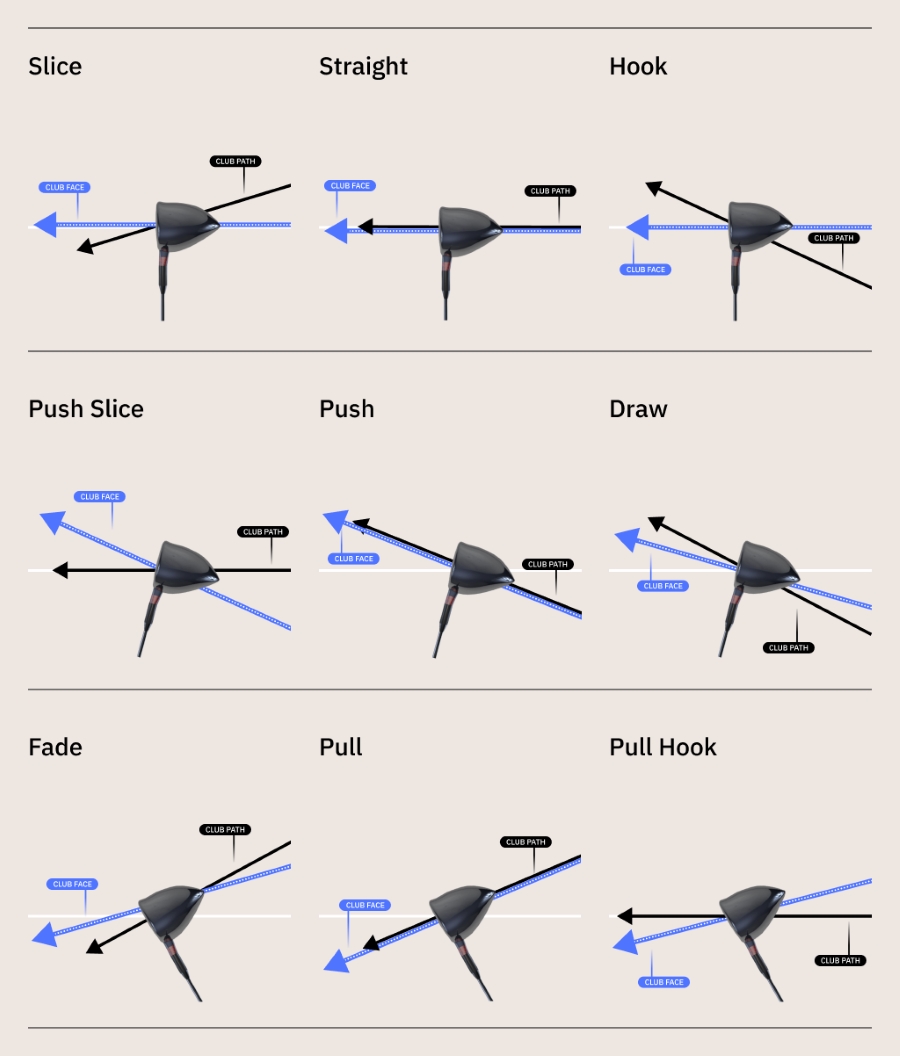
Many slices and pulls aren’t caused by hand position or grip. They’re the result of swing path errors rooted in the takeaway and transition.
Once you fix the takeaway and stop coming over the top, you’ll naturally reduce left-to-right and right-to-left ball flight extremes.
Why Slices Happen
A slice occurs when:
– The clubface is open relative to the swing path
– The path is outside-to-in (over-the-top)
– The ball spins from left to right
But the face isn’t always the culprit. Often, an over-the-top path makes the face appear open at impact even if it’s square.
Fix: Focus on path first, face second. If you deliver the club from inside the target line, a square face will produce a straight or draw shot.
Why Pulls Happen
A pull happens when:
– The club travels too far inside on the backswing
– The downswing path is too much from the inside
– The face is closed or square, but the path is left
This sends the ball left with little or no curve.
Fix: Use the hand-to-rib drill to prevent an overly inside takeaway. A wider, more on-plane takeaway leads to a neutral path and center-field shots.
Quick Tip: If you’re pulling shots, check your takeaway direction. If the club goes too far behind you, it forces an inside-out path, leading to pulls or hooks.
Build a Repeatable Swing
Consistency in golf comes from repetition of correct movements, not brute force. The best players don’t swing harder. They swing smarter, using efficient mechanics.
By focusing on two key elements, core engagement and natural arc, you can build a swing that’s repeatable under pressure.
Create Muscle Memory
Your body learns through repetition. The more you practice correct movements, the more automatic they become.
Daily Routine:
– 5 minutes: Hand-to-rib drill (no club)
– 5 minutes: Towel tuck drill (with club)
– 10 full swings: Focus on core initiation and connection
Do this before every practice session. In a week, you’ll feel more connected and consistent.
Avoid Common Mistakes
Even with the right drills, golfers make these mistakes:
– Over-rotating the shoulders early in the backswing, which leads to loss of width
– Lifting the club with the hands, which causes a steep downswing
– Swaying instead of rotating, which disrupts balance and path
– Rushing the transition, which triggers an over-the-top move
Fix: Slow down. Make deliberate, controlled swings. Speed comes later; accuracy first.
Warning: Don’t try to “fix” your swing mid-round. Stick to one key thought: “Start with my core” or “Keep my left arm connected.”
Improve Ball Striking Now
Better ball striking starts with better mechanics, not new equipment or hours of range time.
When your takeaway is on plane and your downswing is on path, the ball responds with more compression, better launch, and tighter dispersion.
What to Feel at Impact
With a corrected swing, you should feel:
– Centered contact on the clubface
– Smooth transfer of weight to your lead foot
– Arms extending through the ball, not casting or flipping
– Follow-through balanced, with chest facing the target
If you’re hitting fat or thin shots, check your downswing path and weight shift. Coming over the top often leads to early extension and loss of posture.
Track Your Progress
Use these benchmarks:
– Before: 7/10 shots sliced or pulled
– After 1 week: 5/10 shots on line
– After 2 weeks: 8/10 shots straight or drawing
Small improvements compound. Stay patient.
Train Like the Pros
Top players don’t rely on talent alone. They use drills, feedback, and repetition to stay sharp.
Adam Scott, known for his smooth, repeatable swing, emphasizes core-driven rotation and maintaining width. His takeaway is never jerky or arm-dominated. Instead, it’s a unified motion that sets up a powerful downswing.
What you can copy:
– His core-first initiation
– His connected arm-torso movement
– His gradual transition from backswing to downswing
You don’t need a perfect swing, just a consistent one.
Key Pro Habits
- Pre-shot routine to reset focus
- Slow practice swings to rehearse mechanics
- Video feedback to catch flaws early
Use these tools to lock in your new swing.
Maintain Long-Term Swing Health
A swing built on sound mechanics lasts longer and causes fewer injuries.
Overuse of arms and shoulders, common in flawed swings, leads to strain, especially in the lower back and wrists.
By shifting power to your core and rotation, you reduce stress on joints and increase swing efficiency.
Stay Injury-Free
- Warm up for 5–10 minutes before swinging
- Stretch hips, shoulders, and spine
- Avoid over-practicing with poor form
- Listen to your body and stop if you feel pain
A healthy swing is a sustainable swing.
Keep Your Swing Simple
Don’t overload your mind with technical thoughts. Stick to one key focus per session:
– “Start with my core”
– “Keep my left arm connected”
– “Follow the natural arc”
Complexity kills consistency.
Frequently Asked Questions About Common Golf Swing Mistakes
What is the most common golf swing mistake?
The most common golf swing mistake is a poor takeaway, where the club moves too far inside or behind the body early in the backswing. This disrupts the swing path and leads to compensations like over-the-top downswings, slices, and inconsistent contact.
How do I fix coming over the top in my golf swing?
To fix coming over the top, maintain left arm and shoulder connection through the top of your swing. Keep your left arm extended and your chest facing the target. The towel tuck drill is an effective way to train this connection and prevent early arm separation.
Why does my golf swing cause a slice?
A slice occurs when the clubface is open relative to the swing path and the path is outside-to-in. Often, an over-the-top downswing causes the face to appear open at impact. Focus on fixing path first, then face second.
What drill helps correct a poor takeaway?
The hand-to-rib drill helps correct a poor takeaway. Bring your hands together in front of your chest, keep your lead hand fixed, and rotate your core slightly to pull your hands back to rib-cage height. This mimics the ideal takeaway path and trains core-initiated movement.
How long does it take to fix common golf swing mistakes?
Most golfers notice improvement within one to two weeks of consistent practice with the correct drills. Doing 10–15 reps of the hand-to-rib and towel tuck drills before each session accelerates muscle memory and swing consistency.
Final Takeaways for Fixing Common Golf Swing Mistakes
The most common golf swing mistakes, including poor takeaway and over-the-top downswing, are fixable with simple, body-aware techniques. By engaging your core early and using drills like hand-to-rib and towel tuck, you’ll build a more connected, repeatable swing.
Start your next practice session with 5 minutes of the hand-to-rib drill, then 5 minutes of the towel tuck drill. Focus on one key thought per round, and track your progress over two weeks to see measurable improvement in your ball striking and shot accuracy.





