
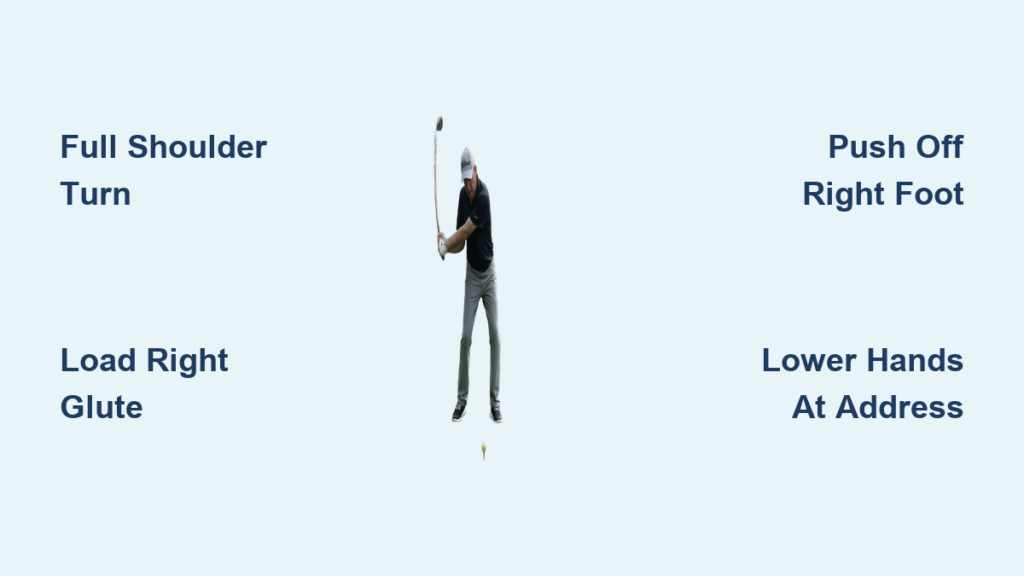
If you’re hitting thin shots, pulling the ball left, or losing power and consistency, you might be dipping during your downswing. This common fault occurs when your body drops or your head moves too far down and forward through impact. The result? Disrupted spine angle, off-target shots, and weak contact. While some head movement happens naturally, even among tour pros, excessive dipping stems from poor rotation, weak lower-body action, or an unbalanced setup. The fix isn’t about forcing yourself to “hold your spine angle.” Instead, you need to address the root causes: limited shoulder turn, poor weight shift, and lack of core stability.
In this guide, you’ll learn proven techniques to stop dipping by building a more rotational, powerful, and repeatable swing. These fixes come from real golfers who struggled with the same issue and made dramatic improvements.
Fix Your Backswing Rotation First
Achieve a Full 90-Degree Shoulder Turn
Dipping often starts in the backswing. If your shoulders don’t rotate fully, your body compensates on the downswing by sliding or dropping to generate power. Many golfers see massive improvement simply by focusing on turning the shoulders 90 degrees and slightly behind the ball. This isn’t about over-swinging. It’s about creating coil. At the top, your left shoulder should sit under your chin, and your back should face the target.
Pro Tip: If you can’t get 90 degrees without losing posture, your hips are likely restricting the turn. Work on hip mobility and allow natural hip rotation (around 45 degrees) to support shoulder turn.
Connect Arms to Body with the Towel Drill
Swinging “arms only” disconnects your upper body from your core, making it easy to lose balance and dip. The towel drill involves tucking a small towel under both armpits and making slow swings. This forces your arms to move with your torso, building the feel of a connected swing. When the arms and body rotate together, you create width and stability, reducing the urge to drop down on the way through.
Visual Cue: If the towel falls out during the backswing, your arms are separating from your body. Focus on turning, not lifting.
Build Lower-Body Power and Stability

Shift Weight to Your Right Glute
Dipping often happens because your weight stays stuck on the left side or collapses inward on the right. Instead, load into your right glute and heel during the backswing. This creates a stable base and allows your body to rotate around your spine, not slide or sway. One common issue is the right hip “sagging,” which leads to poor support and early standing up.
How to Feel It: At the top of your backswing, you should feel pressure in the inside of your right foot and your right buttock. This is your “loaded” position, ready to drive into the downswing.
Push Off the Right Foot to Start the Downswing
The downswing should begin with a lateral and upward push from the right side, not a downward dip. Think of driving your right hip toward the target while maintaining your spine angle. This move prevents early extension and helps you rotate through impact instead of lifting or dipping.
Warning: Don’t overdo it. You’re not trying to jump off the ground, but you should feel a strong, upward thrust from the right leg that initiates the downswing.
Adjust Your Setup to Prevent Dipping
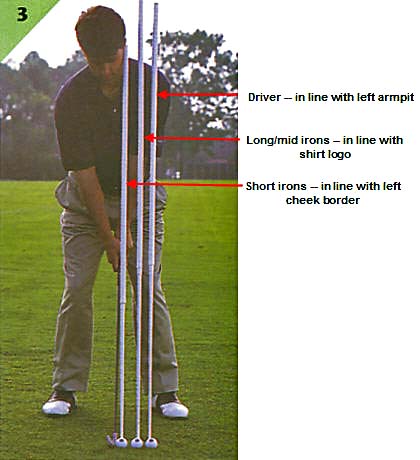
Lower Your Hands at Address
Reaching too far from the ball forces your body to dip or lunge to make contact. A common setup mistake is “reaching too much out,” which makes it impossible to swing properly without compensating. Lower your hands so they hang naturally from your shoulders, and bring the clubhead toward the heel of the club at setup.
Check This: At address, your arms should hang relaxed, and the shaft should point at your belt buckle or slightly inside. This promotes a neutral swing plane and makes it easier to rotate.
Open Hips, Square Shoulders (Especially with Irons)
Many golfers find success by setting up with feet and hips slightly open to the target line while keeping shoulders square. This creates separation between the upper and lower body, resulting in more coil and better rotation. It also encourages a full turn and helps you “get through the ball” instead of spinning out or dipping left.
Why It Works: An open hip line allows your hips to clear faster in the downswing, reducing the need to lift or slide. Meanwhile, square shoulders promote a proper backswing turn.
Stop Overfocusing on “Maintaining Spine Angle”
Understand It’s a Result, Not a Move
“Maintaining spine angle” is often misunderstood. You can’t just “hold it” without addressing the mechanics that support it. As experienced golfers have pointed out, that advice is about as helpful as telling someone to “hit a good shot.” Spine angle is preserved by proper rotation and weight shift, not by trying to stay bent over.
Better Focus: Instead of thinking “don’t stand up,” focus on rotating around your spine and driving up from the right side. The spine angle will stay intact naturally if the body moves correctly.
Allow Natural Head Tilt and Movement
Some head movement is normal and even beneficial. Tour players often dip slightly with secondary spine tilt (tilting away from the target at the top). Forcing your head to stay perfectly still leads to tension and a restricted turn. Many golfers report that allowing a natural head tilt, such as lowering the right ear slightly, frees up their backswing and improves rhythm.
Key Insight: Don’t lock your head. Let it move slightly with your turn. Restricting head motion can actually cause dipping as the body tries to compensate.
Control Right Arm Bend to Prevent Narrow Swings
Keep Right Elbow Away from Body
Over-bending the right elbow in the backswing makes the swing too narrow and arm-dominant. This forces you to drop or lunge on the downswing to generate power. Many golfers notice that when they keep their right elbow farther from their body, creating width, their strike improves dramatically.
Drill: Practice half-swings focusing on keeping the right upper arm away from your ribs. You should feel like your right elbow points down, not back.
Avoid Overswinging with Body Turn
When you start rotating more, there’s a temptation to over-swing. The goal is to limit right elbow bend not to restrict motion, but to prevent overuse of the arms when adding body turn. Your swing should be powerful, not long. Focus on turning, not extending.
Rule of Thumb: At the top, the club should be roughly parallel to the ground and on plane, not steep or too far inside.
Use Drills to Groove the Correct Motion
Ball Forward, Right Leg Back Drill
This drill helps train a stable left side and proper weight transfer. Set up with the ball slightly forward and pull your right foot back a few inches. This encourages you to rotate around your left leg and prevents sliding or dipping.
What to Feel: As you swing through, your weight should move into a firm left side. Your head stays behind the ball, and your body clears without lifting.
Mirror Work for Position Check
Practice your backswing in front of a mirror to check key positions:
– Hands not too high
– Shoulders turning, not lifting
– Right knee flex maintained
– Spine angle steady
This visual feedback helps ingrain the correct movement pattern.
Trust the Swing and Don’t Overthink Positions
Play with Feel, Not Mechanics
Many golfers struggle in their first round because they’re “trying to hit positions” instead of swinging freely. Once you relax and trust your setup and turn, your game improves dramatically. Mechanics matter in practice, but on the course, focus on rhythm, balance, and target.
Pro Tip: Use a simple swing thought like “turn and push” or “rotate and release” instead of multiple technical cues.
Frequently Asked Questions About Dipping in the Downswing
Is Some Dipping Normal in a Golf Swing?
Yes. Most tour players dip slightly, especially with secondary spine tilt at the top of the backswing. The problem isn’t a little head movement; it’s uncontrolled vertical motion that disrupts contact and path.
Why Do I Keep Hitting Thin Shots?
Thin contact often comes from dipping into the downswing and then pulling up before impact. This happens when your body drops to reach the ball because your backswing lacked proper rotation and weight shift.
What Is the Towel Drill and How Does It Help?
The towel drill involves tucking a towel under both armpits while making slow swings. It trains your arms to move with your torso, creating a connected swing. If the towel falls out, your arms are separating from your body.
Should I Try to Keep My Head Completely Still?
No. Forcing your head to stay perfectly still creates tension and restricts your turn. Allow natural head movement, including a slight tilt with your shoulder turn. This actually helps you rotate more freely.
How Long Does It Take to Fix Dipping?
Results can come quickly. Many golfers see improvement after just one practice session focused on 90-degree shoulder turn and weight loading. Full integration typically takes several weeks of consistent practice.
Can Setup Changes Really Fix My Downswing?
Yes. Reaching too far from the ball, standing too far away, or having your hands too high can force you to dip on the downswing. Lowering your hands, bringing the club closer, and balancing your setup often eliminates the need to compensate.
Key Takeaways for Stopping Dipping in Your Downswing
Dipping in the downswing isn’t about brute force or trying to stay low. It’s about building a swing with proper rotation, weight shift, and stability. Focus on these core fixes:
- Turn your shoulders 90 degrees on the backswing
- Load weight into your right glute and heel
- Initiate the downswing by pushing up and forward with the right leg
- Lower your hands at address to avoid reaching
- Allow natural head movement instead of locking your head in place
Expect some awkwardness at first. As many golfers have discovered, it often gets worse before it gets better. Stick with the changes, film your swing to track progress, and practice the towel drill and rotation work regularly.
Your next step: head to the range with one simple swing thought, “full shoulder turn and push off the right foot.” Hit a bucket of balls focusing only on that, and watch your contact and consistency improve.





