

Tight hips can silently sabotage your golf game. Even with perfect grip, stance, and swing mechanics, restricted hip mobility limits rotation, reduces power, and increases injury risk. Many golfers unknowingly compensate with their lower back or shoulders, leading to strain and inconsistent shots. The good news? Improving hip mobility is one of the most effective ways to boost swing speed, enhance balance, and achieve a smoother, more powerful turn. This guide delivers targeted techniques, stretches, and drills specifically designed to loosen hips for golf so you can rotate freely, generate more force, and play pain-free.
You don’t need hours in the gym. Just 10 to 15 minutes daily of the right movements can unlock tight hip joints and surrounding muscles. Whether you’re a weekend player or a serious amateur, better hip mobility translates directly to longer drives and more consistent ball striking. From dynamic warm-ups to deep tissue release, we’ll cover science-backed strategies that work, no fluff, just results.
Essential Hip Mobility Basics
Why Hip Flexibility Matters in Golf
The golf swing demands a powerful rotational movement where the hips lead the downswing. Limited hip mobility forces the torso to over-rotate, reducing clubhead speed and accuracy. Proper hip function allows for greater separation between the upper and lower body, known as “X-factor,” which is a hallmark of professional swings. Without adequate internal and external hip rotation, especially in the trail hip (right hip for right-handed golfers), you lose torque and power.
Tight hip flexors, glutes, and adductors are common culprits. Sitting for long periods shortens these muscles, making it harder to rotate fully during the backswing or shift weight correctly in the downswing. Over time, this stiffness can lead to compensatory movements that stress the spine and knees. Addressing hip tightness isn’t just about flexibility. It’s about restoring functional movement patterns essential for an efficient, repeatable golf swing.
Key Areas to Target
Not all hip tightness is the same. Focus on three primary zones:
- Hip Flexors: Often tight from prolonged sitting; restrict pelvic tilt and stride length.
- Glutes and Piriformis: When underactive or tight, they limit external rotation and stability.
- Adductors (Inner Thighs): Tightness here restricts lateral movement and hip hinge mechanics.
Each area plays a role in different phases of the swing. For example, weak glutes reduce hip extension at impact, while tight adductors limit the ability to maintain a stable base during rotation. A comprehensive approach includes stretching, activation, and dynamic movement to address all components of hip function.
Daily Warm-Up Routine
Dynamic Stretches Before Play
Never swing cold. A dynamic warm-up increases blood flow, activates key muscles, and prepares the hips for rotation. Perform these movements for 8 to 10 reps per side:
- Leg Swings (Forward/Backward): Hold a club for balance; swing one leg forward and back to loosen hip flexors and hamstrings.
- Lateral Leg Swings: Face a wall, swing leg side to side to open adductors and improve lateral control.
- Walking Lunges with Twist: Step into a lunge, then rotate torso over front leg to mimic swing motion and warm up rotation.
- Hip Circles: Stand on one leg, move opposite knee in large circles to lubricate the joint.
These movements prime the nervous system and improve range of motion before stepping onto the first tee.
Activation Drills for Power
Mobility without muscle engagement is wasted. Activate dormant muscles with:
- Glute Bridges: Lie on back, knees bent, lift hips while squeezing glutes. Hold 2 seconds at top.
- Clamshells with Band: Place resistance band above knees, lie on side, open top knee like a clamshell to target glute medius.
- Monster Walks: In a half-squat with band around ankles, step sideways to fire up hips and thighs.
Do 2 sets of 12 reps. These drills wake up the glutes and stabilize the pelvis, which is critical for maintaining posture during the swing.
Deep Stretching Techniques
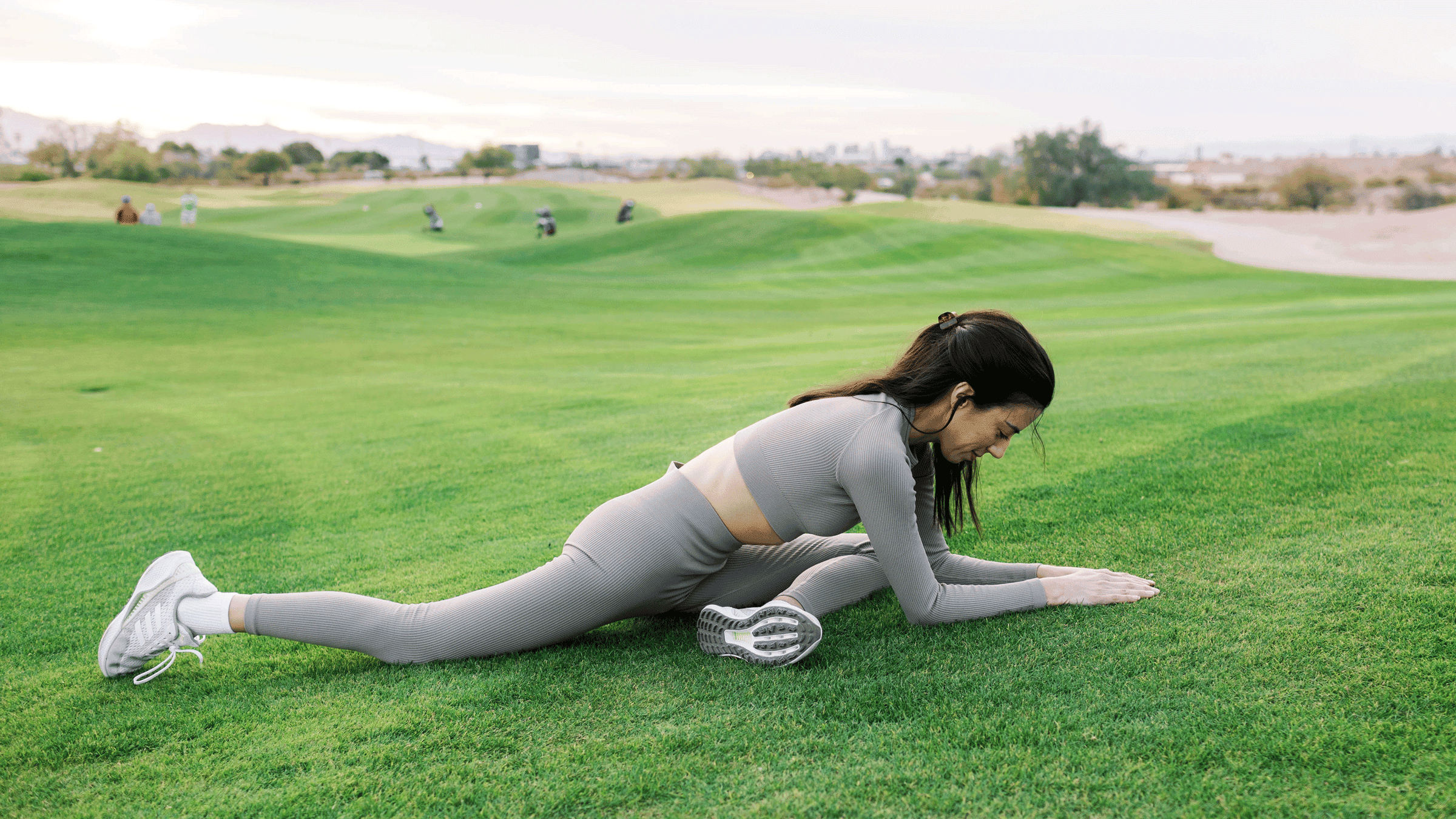
Best Static Stretches Post-Round
After playing, perform static stretches to release tension and improve long-term flexibility. Hold each for 30 to 45 seconds:
- Kneeling Hip Flexor Stretch: Step one foot forward into lunge, lower back knee; tuck pelvis slightly to feel stretch in front of back hip.
- Pigeon Pose (Modified): From hands and knees, bring one shin across body, lower torso to open external rotators and glutes.
- Seated Forward Fold with Wide Legs: Sit with legs wide, reach chest forward to target inner thighs and lower back.
- Figure-Four Stretch (Supine): Lie on back, cross ankle over opposite knee, pull uncrossed leg toward chest.
Breathe deeply into each stretch. Avoid bouncing and focus on gradual release.
Use a Foam Roller Effectively
Foam rolling breaks up muscle adhesions and improves tissue quality. Spend 1 to 2 minutes on each area:
- IT Band: Lie on side, roll from hip to knee. This can be intense, so go slow.
- Glutes and Piriformis: Sit on roller, cross one ankle over opposite knee, roll small circles.
- Adductors: Lie face down, legs wide, roll inner thighs.
- Hip Flexors: Lie face down, place roller just below hip bone, shift weight gently.
Roll daily, especially after sitting or playing. Combine with stretching for maximum effect.
Swing-Specific Mobility Drills
Improve Backswing Rotation
Limited backswing turn often stems from poor hip rotation. Fix it with:
Seated Rotation Drill: Sit on a bench or chair, feet flat. Rotate shoulders over hips while keeping pelvis stable. Use a club across shoulders for feedback. Goal: Achieve 45 to 60 degrees of upper body rotation without moving hips. This trains separation and identifies mobility limits.
Wall-Assisted Hip Turn: Stand with back to wall, feet 6 inches away. Perform backswing while keeping trail hip brushing the wall. If hip pulls away, you’re sliding instead of rotating. This drill teaches proper hip pivot mechanics.
Enhance Downswing Transition
The downswing requires rapid hip unwinding. Train explosive mobility with:
Resistance Band Hip Turn: Attach band to trail hip, anchor behind you. Simulate downswing by rotating hips forward against resistance. This builds strength and speed through the hitting zone.
Step-and-Swing Drill: Take a small step forward with lead foot as you start downswing. This encourages early hip shift and prevents upper-body dominance.
Fix Common Mobility Blocks
Overcome Sitting-Related Stiffness
Office workers and frequent drivers suffer from chronically tight hips. Combat this with:
- Stand every 30 minutes for 2 minutes. Walk or do hip circles.
- Perform hip flexor stretches at desk: Use a chair for kneeling stretch variation.
- Sleep with pillow under knees to reduce hip flexor tension overnight.
Even small habit changes prevent daily tightening.
Address Age-Related Loss of Mobility
As we age, joint fluid decreases and tissues stiffen. Counteract with:
- Daily mobility routine (10 minutes morning and night).
- Low-impact cardio like cycling or swimming to maintain joint lubrication.
- Yoga or tai chi twice weekly for balance and flexibility.
Consistency beats intensity. Gentle, regular movement preserves range of motion better than occasional aggressive stretching.
Equipment That Helps
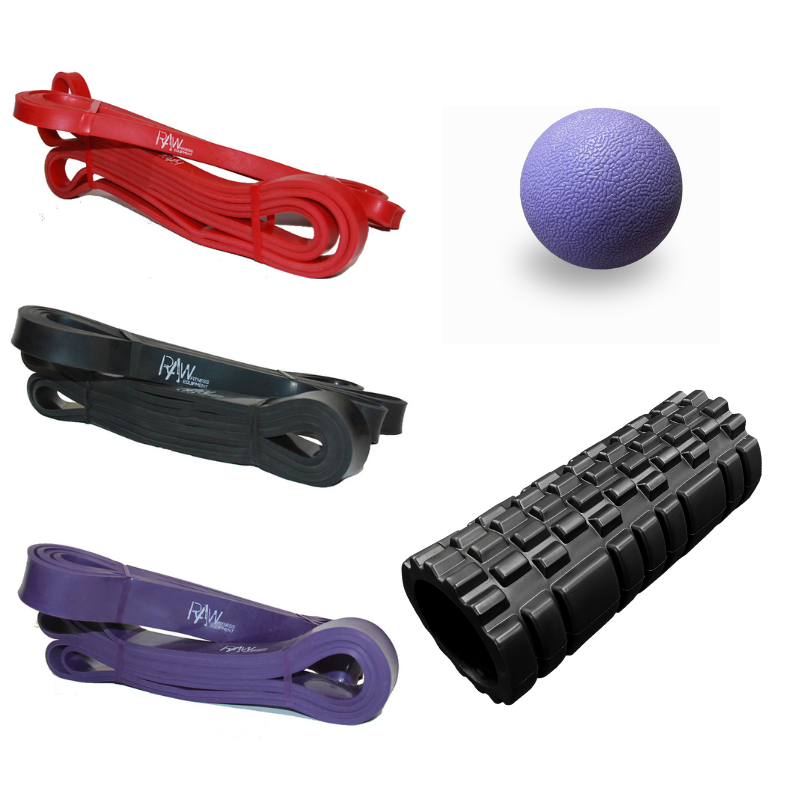
Mobility Tools Worth Using
Invest in tools that accelerate progress:
- Foam Roller (Medium Density): For daily myofascial release.
- Lacrosse Ball: Targets tight spots in glutes and hip rotators.
- Resistance Bands (Light/Medium): For activation and resisted drills.
- Hip Hook: A specialized tool that applies direct pressure to deep hip muscles, ideal for stubborn tightness.
Use the lacrosse ball on the piriformis: Sit on floor, place ball under one buttock, shift weight until you find a tender spot, and hold for 30 seconds.
Golf-Specific Training Aids
Some devices enhance hip mobility through swing feedback:
- Swing Align: Attaches to pants and shaft, ensures hips and shoulders move together.
- Orange Whip Trainer: Weighted club that promotes fluid motion and builds rotational endurance.
- Axiom Core Belt: Provides resistance during rotation drills to strengthen hip muscles.
These tools reinforce proper movement patterns while improving flexibility over time.
Prevent Re-Injury and Stiffness
Maintain Gains Long-Term
Mobility gains fade without maintenance. Lock in improvements with:
- Weekly self-assessment: Test seated rotation or lunge depth to track progress.
- Monthly reset routine: Spend extra time on foam rolling and deep stretching.
- Avoid prolonged static positions: Change posture frequently during the day.
Think of hip mobility like brushing your teeth. Daily care prevents bigger problems.
Signs You Need Professional Help
See a physical therapist if you experience:
- Sharp pain during stretches or swings
- Noticeable asymmetry in hip movement
- Persistent stiffness despite consistent effort
A specialist can diagnose underlying issues like labral tears or impingement and tailor a rehab plan.
Frequently Asked Questions About Loosening Hips for Golf
How long does it take to loosen tight hips for golf?
With consistent daily practice, most golfers notice improved rotation and reduced stiffness within 2 to 4 weeks. Significant mobility gains typically take 6 to 8 weeks of regular stretching and activation work.
Should I stretch my hips before or after playing golf?
Perform dynamic stretches and activation drills before playing to warm up the hips. Save static stretching for after your round to release tension and promote long-term flexibility.
Can tight hips cause lower back pain during golf?
Yes. Tight hips force the lower back to compensate for limited rotation, which often leads to strain and pain. Improving hip mobility frequently reduces or eliminates golf-related back discomfort.
What’s the best single exercise to loosen hips for golf?
The kneeling hip flexor stretch combined with glute bridges offers the most impact. Together, they release the front of the hips while activating the glutes, addressing the most common imbalance affecting golfers.
Is yoga good for hip mobility in golf?
Absolutely. Yoga improves flexibility, balance, and body awareness. Poses like pigeon, warrior, and lizard directly target the muscles involved in the golf swing and enhance rotational range.
How often should I foam roll my hips?
Foam roll daily for maintenance, especially after sitting or playing. Spend 1 to 2 minutes per area and focus on tender spots to release muscle adhesions effectively.
Key Takeaways for Loosening Hips and Playing Better Golf
Loosening your hips for golf comes down to three core principles: consistent mobility work, targeted activation, and swing-specific drills. Start with a 10-minute daily routine that includes dynamic stretches, glute activation, and post-round static stretching. Add foam rolling to release deep tissue tension and use tools like resistance bands to build rotational strength. Most importantly, stay consistent. Small daily efforts compound into major swing improvements over time. Pick one drill from this guide and try it before your next round. You’ll likely feel freer rotation and more power within your first few practice sessions.





