

You’re standing on the tee with a fierce headwind, or your approach shot is blocked by a low-hanging branch. You need a shot that flies under the wind and stays under those limbs. That’s exactly where learning how to hit a golf ball low transforms your game. A controlled, low-trajectory shot cuts through wind, rolls out predictably, and gives you options when high shots simply won’t work.
The best part: you don’t need special equipment or years of experience. By making focused adjustments to your setup, ball position, and swing path, you can produce penetrating ball flights on demand. This guide walks you through every adjustment step by step, so you can add this dependable shot to your course strategy and lower your scores in the process.
Adjust Your Setup to Promote a Low Ball Flight
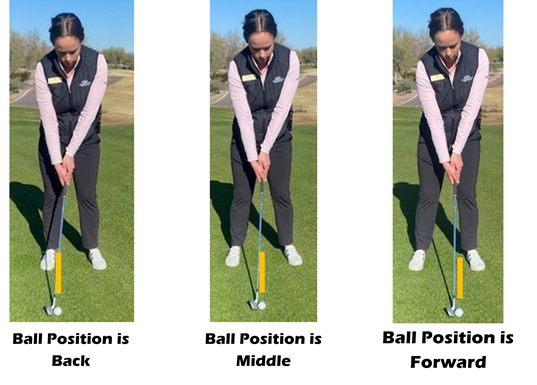
Your stance, alignment, and hand position create the foundation for a low shot. Small shifts here make a dramatic difference in launch angle.
Move the Ball Back in Your Stance
Shifting the ball one to two inches toward your trailing foot is the fastest way to lower trajectory. This adjustment ensures the clubface meets the ball earlier in the downswing, which reduces spin and launch height.
* For mid-irons (7-iron), play the ball in the center of your stance
* For hybrids and long irons, move it slightly behind center
* Never play the ball forward for low shots, as this encourages a sweeping, high-launching strike
Narrow Your Stance and Flare Your Front Foot
A narrower stance restricts hip rotation and encourages a more controlled swing path.
* Position feet slightly inside shoulder width
* Flare your front foot 10–20 degrees toward the target
* Maintain 55% of your weight on your front side to promote a downward strike
This stance prevents an over-the-top move and keeps your swing on a compact, descending path.
Press Your Hands Forward at Address
Position your hands ahead of the ball at setup and keep them there through impact. This forward shaft lean delofts the club, effectively turning a 7-iron into something closer to a 5-iron.
* Your lead hand should sit ahead of the ball
* The shaft should lean toward the target
* Think “hit down” instead of “scoop up”
Choose the Right Club for Low Trajectory Shots
Club selection matters more than you might think. Higher-lofted wedges naturally launch the ball high, making them poor choices for knockdown shots.
Use Lower-Lofted Irons or Hybrids
A 5-iron or 6-iron gives you the best chance of keeping the ball down. These clubs produce less spin and launch lower than short irons or wedges.
* Even hybrids work well when you play the ball back and swing smoothly
* A 4-iron with a compact swing can fly well under tree branches
Pro Tip: If you’re tempted to grab a wedge, reconsider. Even with perfect technique, a lob wedge will balloon against your intent.
Adjust Ball Position Based on Club Selection
For maximum control with shorter irons, play the ball off your back foot. This creates a “stinger” style shot that stays low and runs out.
* Ball should appear closer to your trailing knee at address
* Requires clean, ball-first contact
* Practice this before using it on the course
Modify Your Swing for Lower Ball Flight
Swing changes matter just as much as setup. Forget about power; precision and control are what produce penetrating shots.
Shorten Your Backswing
A 3/4 backswing reduces your swing arc and limits the energy that launches the ball upward.
* Stop when your lead arm reaches chest height
* Keep wrists firm but not tense
* Resist the urge to over-rotate your shoulders
Keep Your Head Steady Through Impact
Any upward head movement before contact will shallow your angle of attack and balloon the ball. Stay down.
* Keep your eyes focused on the back of the ball
* Maintain your spine angle through impact
* Try counting “1-2” after contact before lifting your head
Strike Down With Forward Shaft Lean
Imagine hitting a nail into the ground behind the ball. This image promotes a descending blow and forward shaft lean, both critical for low shots.
* Your divot should start after impact, not before
* Accelerate through contact rather than decelerating
* Follow through low and compact, not high and sweeping
Control Trajectory With Grip and Clubface
Your grip and clubface angle at impact influence launch just as much as setup and swing path.
Keep the Clubface Square or Slightly Closed
An open clubface adds loft and spin, two things you want to avoid. Check your clubface alignment at address and keep it stable through release.
* Use the grooves on your club to verify square alignment
* Avoid flipping your wrists through impact
* Maintain face control all the way to the finish
Use a Stronger Grip for Added Control
A slightly stronger grip helps prevent the clubface from opening during your swing, which would send the ball higher.
* See two to three knuckles on your lead hand at address
* Keep your trail hand relaxed but supportive
* This grip promotes a neutral or draw-biased shot, which naturally flies lower than a fade
Practice Drills to Build Low-Shot Confidence
Repetition is how you turn technique into instinct. These drills build muscle memory for consistent low-trajectory shots.
The Towel Drill
Place a folded towel under your lead armpit and keep it pinned throughout your swing.
* Encourages connected arm and body motion
* Prevents over-swinging
* Promotes a downward strike
If the towel drops, your arms separated from your body, which costs you power and control.
The Gate Drill
Place two tees in the ground just wider than your clubhead, one on each side of the ball.
* Swing back and through without striking the tees
* Teaches a shallow, controlled path
* Prevents wide, looping swings that cost accuracy
The Divot Drill
Place a tee in the ground three to four inches in front of the ball.
* Goal: strike the ball first, then the tee
* Reinforces forward shaft lean and ball-first contact
* Builds confidence in your strike
If you hit the tee before the ball, you’re casting or lifting too early.
Common Mistakes to Avoid
Even skilled golfers sabotage their low shots with these errors. Sidestep them and you’ll save strokes.
Trying to Hit Down Too Aggressively
Forcing a steep angle of attack produces fat or thin shots. Focus on clean contact and forward shaft lean instead of brute force.
* Let the club’s design do the work
* Smooth tempo beats aggressive hacking every time
* Trust your setup, not your muscle
Lifting the Head Too Early
Peeking before contact raises your body and lifts the ball flight. Commit to the shot and stay down.
* Use a mirror or video to confirm proper head position
* Count “1-2” after impact before looking up
Grabbing a Wedge for a Low Shot
Wedges are designed to launch high. Even perfect technique won’t fully tame a lob wedge.
* Choose lower-lofted irons for knockdown shots
* Save wedges for high, soft-landing situations
* Match the club to the shot you need
When Low Shots Save Strokes on the Course
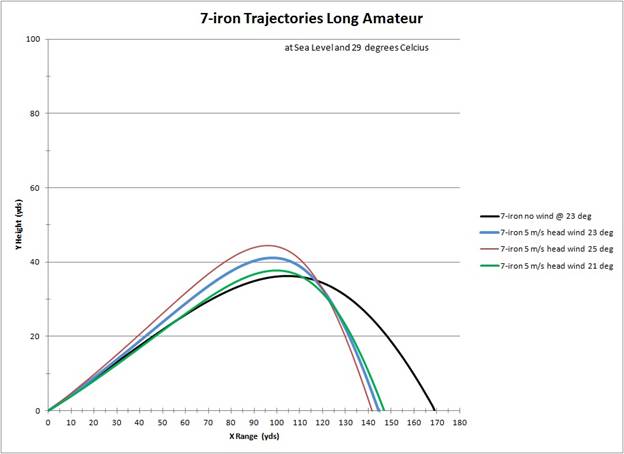
Knowing when to deploy a low shot is just as important as knowing how to hit one. These scenarios call for a knockdown.
Into Strong Headwinds
A low shot cuts through wind better than a high one because less spin and lower launch reduce wind resistance.
* Ideal for approach shots on gusty days
* Produces more roll for better distance control
* Keeps the ball under the wind instead of getting blown offline
Under Overhanging Tree Branches
Need to escape trouble with limbs blocking your path? A mid-iron knockdown can save your score.
* Use a 5- or 6-iron
* Play the ball back and hands forward
* Make a smooth 3/4 swing
On Firm or Fast Fairways
Hard ground rewards low, running shots that behave predictably after landing.
* Less risk of skulling or thinning
* Better control than high-flying approaches
* Maximizes roll for extra distance
Frequently Asked Questions About Hitting Golf Balls Low
What club is best for hitting a golf ball low?
Lower-lofted irons like a 4-iron, 5-iron, or 6-iron work best for knockdown shots. These clubs naturally produce less spin and launch angle than wedges or short irons, making them easier to keep down even in windy conditions.
How do I hit a golf ball low with a driver?
Play the ball slightly back in your stance, press your hands forward, and make a smoother, more controlled swing. Tee the ball lower than usual to reduce launch angle, and focus on sweeping the ball off the tee rather than hitting up on it.
Why does my low shot still fly too high?
Common causes include ball position too far forward, an open clubface at impact, lifting your head early, or using too much loft. Check your setup first, then review your swing for these errors.
Can I hit a low shot with a wedge?
It’s possible but difficult. Wedges are designed to launch high, so even with perfect technique, you’ll struggle to keep a lob wedge down. For consistent low shots, stick to mid- or long irons.
How far should I take my backswing for a low shot?
A 3/4 backswing works best. Stop when your lead arm reaches chest height. This reduces swing arc and limits the energy that launches the ball upward.
Do low shots go farther than high shots?
Not necessarily in the air, but they often roll farther after landing. In windy conditions, low shots play closer to their actual yardage because wind has less effect on them.
Key Takeaways for Hitting Golf Balls Low
Mastering the low golf shot comes down to three fundamentals: setup, swing path, and club selection. Move the ball back in your stance, press your hands forward, and shorten your backswing. Pair these adjustments with a lower-lofted iron, and you’ll have a reliable knockdown shot ready for windy days, tight lies, and tree-lined fairways.
Your next step is simple. Head to the range and practice the Towel Drill and Gate Drill for 15 minutes. Focus on making clean, ball-first contact with a 3/4 swing. Once you can repeat that motion with confidence, take it to the course and try it in a real situation. You’ll quickly discover that a low shot isn’t just a backup plan. It’s a scoring weapon that makes you a smarter, more versatile player.





