
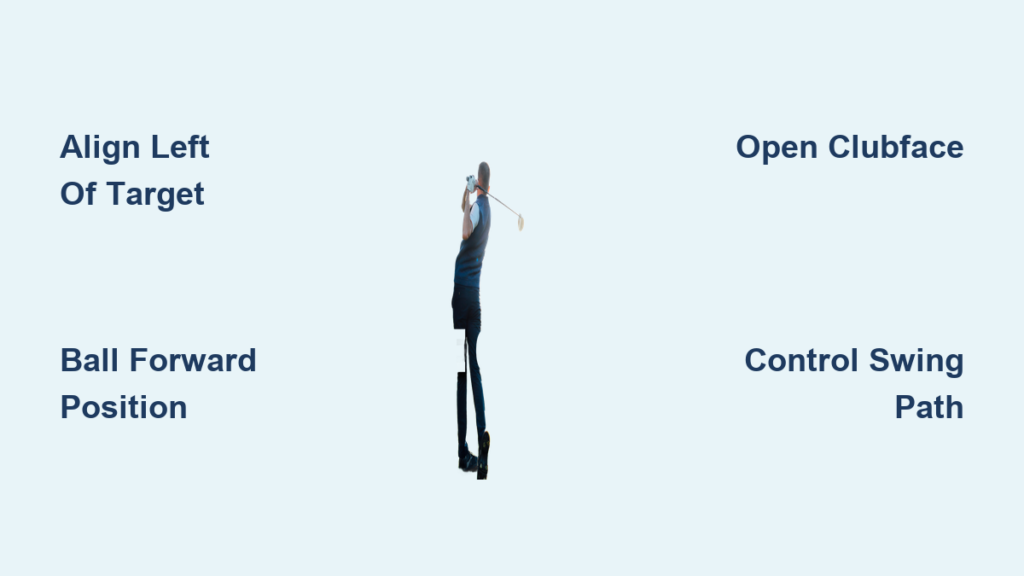
You’ve seen it on TV: a pro lines up left of the target, swings confidently, and watches their ball curve gently back into the fairway or toward the pin. It’s not a mishit. It’s a cut shot in golf, one of the most valuable tools in a skilled player’s arsenal. And contrary to popular belief, a well-executed cut doesn’t sacrifice distance.
For years, golfers have operated under the myth that draws automatically fly farther than fades. But the truth is more nuanced: distance comes from efficient contact, optimal launch conditions, and controlled spin, not just ball flight direction. The average golfer’s “fade” is often a weak slice with excessive spin and poor angle of attack, while their “draw” might be a more solid, lower-spin impact. That’s why draws seem longer. But a true, intentional power fade? That’s a weapon.
This guide will show you exactly how to hit a reliable cut shot, whether you’re shaping your driver off the tee or curving an iron around a tree. You’ll learn the correct setup, swing mechanics, and common mistakes to avoid. By the end, you’ll understand not just how to hit a cut, but why it works, and how to make it one of your most consistent shots on the course.
Set Up for a Controlled Cut
Align Your Body Left of the Target
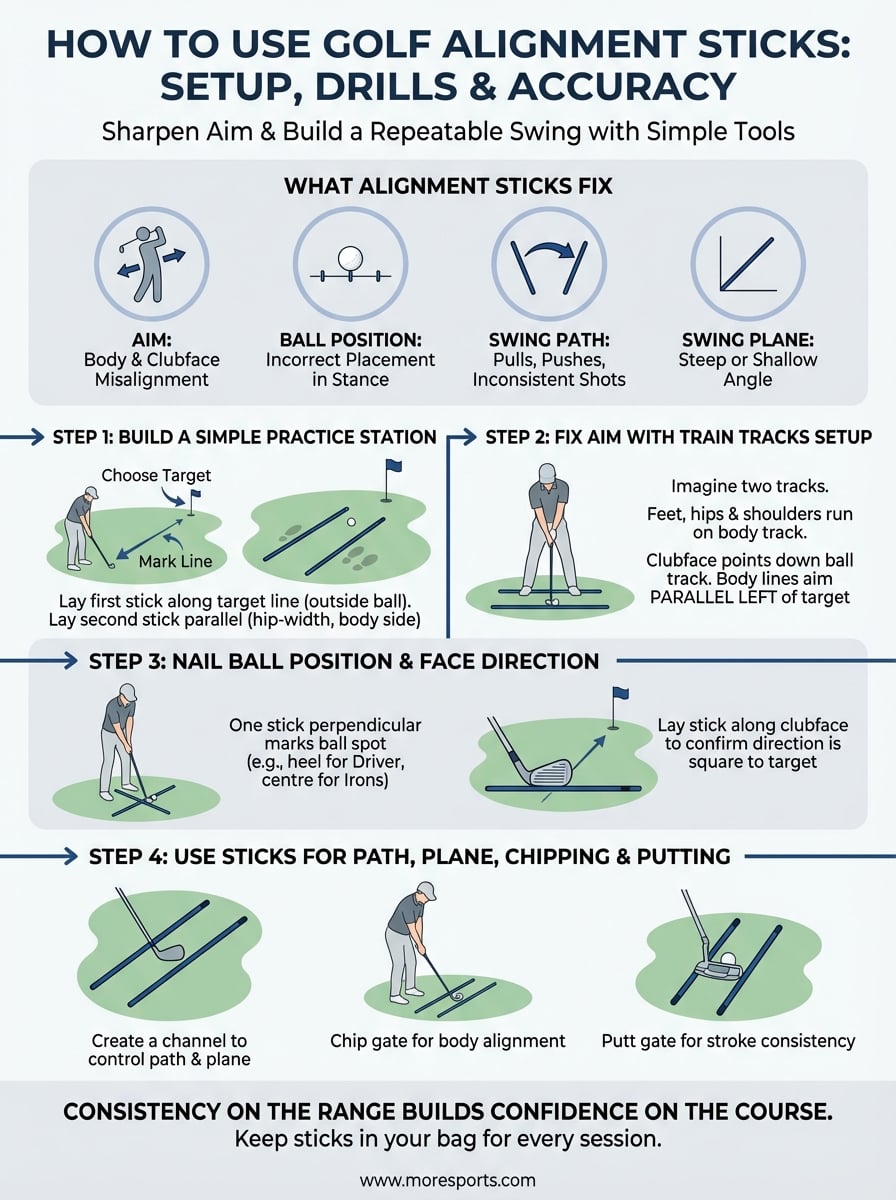
To hit a cut, your body must be aligned left of the target (for right-handed golfers). This creates an out-to-in swing path, which is essential for left-to-right ball flight. Your feet, hips, and shoulders should all point slightly left, about 10 to 20 degrees, while the clubface starts aimed at the target.
Think of it like throwing a Frisbee with a backhand flick: your body opens to the left, but your hand (the clubface) stays square or slightly open, creating the cut motion. If your body is aimed at the target but you try to cut the ball, you’ll likely overcompensate and top or slice it.
Position the Ball Slightly Forward
Ball position plays a critical role in cut success. For drivers and fairway woods, place the ball just inside your front heel, slightly forward of center. This promotes an upward strike with enough path-to-face separation to create the cut spin without killing ball speed.
With irons, move the ball centered or slightly back in your stance. This helps deloft the club slightly and encourages a descending strike, which increases control and reduces excessive spin.
Grip Neutral, Not Weak
Contrary to old-school advice, you don’t need a weak grip to hit a cut. In fact, Monte Scheinblum and other elite players emphasize that grip strength is overrated when shaping shots. A neutral grip allows better control and consistency.
Instead of weakening your hands, focus on face control at impact. Your grip should feel natural, with both hands working together through the swing. Over-rotating the left hand open or the right hand back can lead to loss of power and poor contact.
Master the Swing Path
Swing Slightly Out to In
The key to a cut is an out-to-in swing path, meaning the club travels from outside the target line to inside during the downswing. But this doesn’t mean swinging wildly across the ball. A small, controlled path difference of 2–4 degrees is enough when paired with a slightly open face.
Use alignment sticks or a club on the ground to visualize your path. Practice swings with a shallow cut path help ingrain the motion. Remember: extreme paths kill distance. You want efficiency, not drama.
Maintain Lag and Release Late
One of the biggest mistakes golfers make when trying to cut the ball is releasing the club too early. They flip their hands coming down, which closes the face and turns the cut into a pull or straight push.
Instead, preserve wrist lag into the downswing. Think of holding the angle between your wrists and the club shaft as long as possible. The face should stay open relative to the path, then release after impact. This creates clean, penetrating ball flight, not a weak slice.
Kyle Berkshire’s powerful cuts are a perfect example: massive clubhead speed, minimal hand action, and a slight left-to-right shape because of precise path and face control, not hand manipulation.
Control Face Angle at Impact
Keep the Face Open Relative to Path
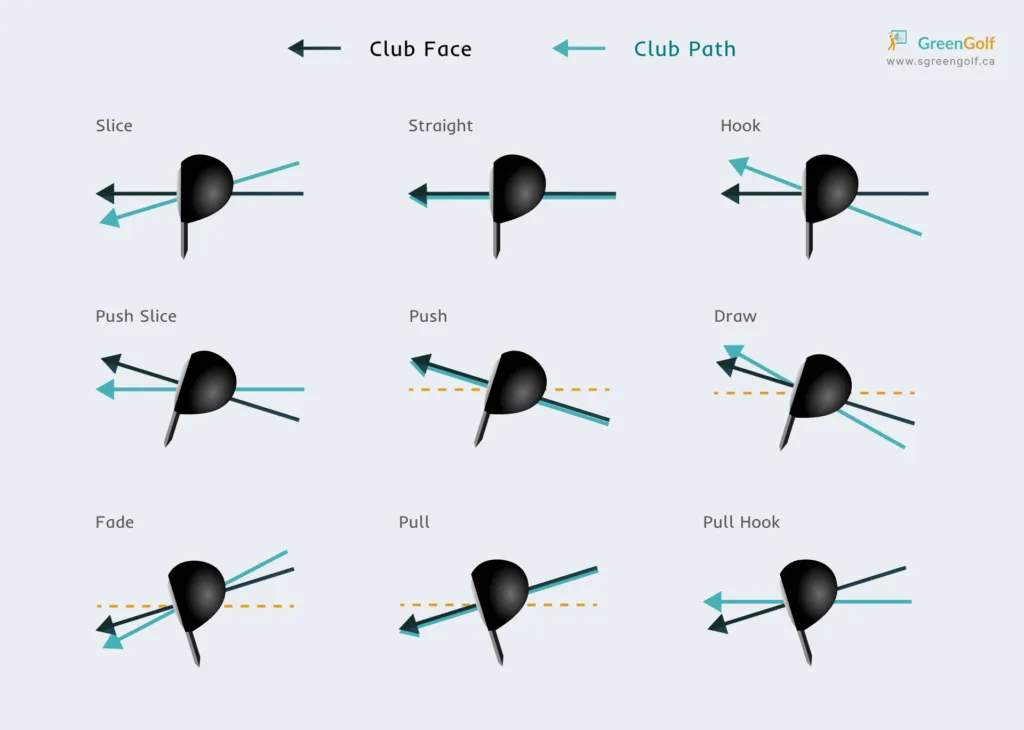
Ball flight is determined by two things: club path and face angle. For a cut, the face must be open to the path but still right of the target.
Example:
– Club path: 3° out-to-in
– Clubface: 1° open to target (2° open to path)
– Result: a controlled fade
If the face is too open (e.g., 5° right), you’ll get a weak slice with high spin and lost distance. If it’s closed to the path, you’ll pull the ball or hook it.
Use a face-angle mirror drill: tape a small mirror to your clubface and check its orientation at address and impact. This builds awareness without overthinking during the swing.
Avoid Over-Rotating the Forearms
Many golfers try to “cut” the ball by rolling their forearms open during the backswing or downswing. This disrupts timing and reduces power.
Instead, let the face stay naturally open through setup and swing. Your backswing should feel similar to a normal shot, just with a slightly more external (outward) takeaway. The face will appear open at the top, but that’s okay. Trust the path to create the shape, not hand action.
Optimize Launch Conditions
Aim for Mid Trajectory and Low Spin
A powerful cut isn’t high and spinning. It’s low, piercing, and efficient. As several long drivers note, their longest shots are often mid-trajectory fades that “stay in the air forever” with minimal roll.
To achieve this:
– Shallow angle of attack (especially with driver)
– Low spin rates (under 2,500 RPM for average swing speeds)
– Launch angle around 12–15° (adjust based on your speed)
This combo maximizes carry and roll without sacrificing control. A high, weak fade with 4,000 RPM of spin will always fall short.
Use Ball Position to Control Launch
Moving the ball forward in your stance increases launch angle and decreases spin, ideal for a power fade with the driver. Pair this with a slightly open face and out-to-in path, and you’ve got the recipe for a long, controlled cut.
With irons, a slightly back ball position helps reduce launch and increase spin, giving you more stopping power on approach shots that need to curve into the green.
Common Mistakes to Avoid
Mistake 1: Overdoing the Alignment
It’s easy to overcorrect and aim too far left. This forces an exaggerated out-to-in path, leading to thin shots, blocks, or massive slices.
Fix: Use a target 10–15 yards left of your intended target. Align your body to that, then focus on swinging along that line, not across it violently.
Mistake 2: Flipping Hands at Impact
“Hand flipping” or “casting” the club early in the downswing closes the face and kills power. You might think you’re cutting, but you’re actually hitting a weak pull or straight push.
Fix: Practice lag drills. Use a training aid or hit half-swings focusing on maintaining wrist cock until just before impact.
Mistake 3: Confusing a Cut with a Slice
A slice is an unintentional, high-spinning, weak left-to-right shot caused by poor path and open face. A cut is intentional, lower-spinning, and powerful.
Key difference: spin rate and ball speed. A slice loses both. A cut maintains or even increases ball speed with controlled sidespin.
Why Cuts Don’t Lose Distance
Physics Over Myth
The idea that “draws go farther” is based on flawed observation. Yes, better players often hit draws, and they do hit the ball farther. But it’s not because of the draw shape. It’s because they make better contact, with optimal launch, and lower spin.
As Monte Scheinblum proved, his world championship-winning drive was a cut. DJ, one of the longest hitters ever, often hits cut shots off the tee. The data shows: a well-struck cut goes just as far as a well-struck draw.
Spin Axis and Efficiency Matter Most
Distance comes from:
– Ball speed
– Launch angle
– Spin rate
– Spin axis
A cut shot with low spin axis tilt and efficient energy transfer will outperform a high-spin draw any day. The goal isn’t to eliminate shape. It’s to control it without sacrificing efficiency.
Practice Drills for Consistency
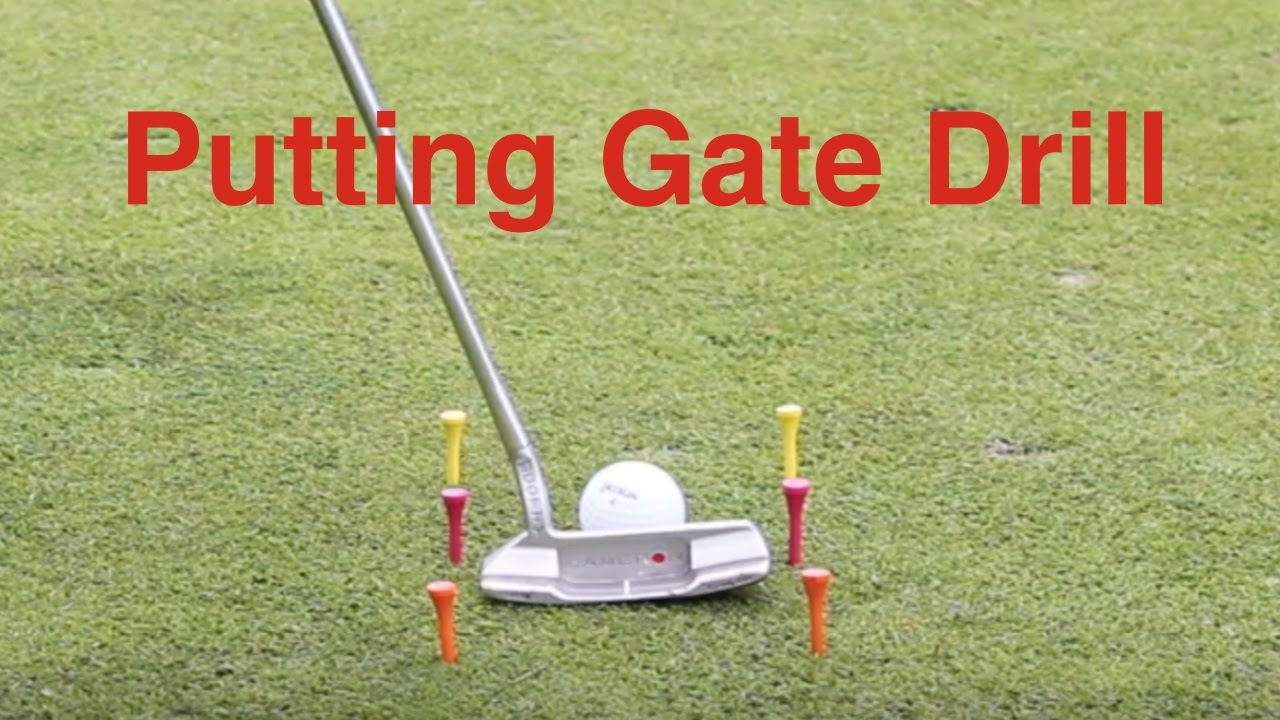
Drill 1: The Tee Gate Drill
Place two tees in the ground just wider than your clubhead, one just outside the ball, one just inside. Swing through without hitting either. This trains a shallow, on-plane cut path.
Focus on brushing the outside tee on the downswing (out-to-in) while keeping the clubhead low and extended.
Drill 2: Impact Tape or Spray
Use drill spray or impact tape on the clubface to check where you’re striking the ball. For maximum distance on a cut, you want centered or slightly heel-side contact.
Hitting the toe excessively reduces ball speed and increases spin, which is common in weak cuts.
Drill 3: The “Hammer the Nail” Drill
Visualize a nail just left of the ball and slightly below. Your goal is to “hammer” that nail at impact.
This encourages a forward shaft lean, downward strike (with irons), and crisp contact, perfect for a controlled cut.
When to Use a Cut Shot
Into the Wind
A low, penetrating cut cuts through wind better than a high draw. Use it on blustery days to keep the ball under the wind and maximize roll.
On a Dogleg Left (for Right-Handers)
On a left-bending hole, a cut can ride the curve perfectly. Aim left and let the ball fade into the fairway.
Avoiding Trouble on the Right
If there’s water, sand, or trees on the right, a cut gives you a safe, predictable shape that curves away from danger.
Precision Iron Play
Use a cut with mid-irons to flight the ball around obstacles or hold firm greens. A 7-iron cut with 6,000 RPM of spin will stop quickly, perfect for tucked pins.
Final Tip: Combine Feel and Data
The future of improvement is “feels + data.” You can feel a cut, but a launch monitor tells you if it’s efficient.
If you have access to TrackMan, Flightscope, or even a SkyTrak, use it to:
– Check your path and face numbers
– Compare ball speed on cuts vs. draws
– Optimize spin and launch
You might be surprised how close your cut is to your draw in performance, once you fix the mechanics.
Frequently Asked Questions About Hitting a Cut Shot
Does a Cut Shot Go as Far as a Draw?
Yes, a well-struck cut shot can go just as far as a draw. Long-drive champions like Kyle Berkshire and Monte Scheinblum have proven this with Trackman data. Distance depends on contact quality, launch angle, and spin rate, not the shape of the ball flight.
How Do I Stop Hitting a Slice Instead of a Cut?
The main difference between a slice and a cut is spin rate and ball speed. A slice is unintentional, weak, and high-spinning. A cut is controlled, powerful, and efficient. Focus on face control at impact and a shallow out-to-in path of 2–4 degrees.
Where Should the Ball Be Positioned for a Cut Shot?
For drivers and fairway woods, place the ball just inside your front heel. For irons, position it centered or slightly back in your stance to encourage a descending strike and better control.
Do I Need a Weak Grip to Hit a Cut?
No. A neutral grip works best. Grip strength is overrated when shaping shots. Focus on path and face control rather than hand position to produce a reliable cut.
When Should I Use a Cut Shot on the Course?
Use a cut into the wind, on dogleg-left holes, when trouble sits on the right side of the hole, or for precision iron approaches where you need the ball to stop quickly.
Key Takeaways for Mastering the Cut Shot
A cut shot is a powerful, controllable shot that deserves a place in every golfer’s bag. Focus on alignment 10–20 degrees left of target, ball position slightly forward with the driver, and a neutral grip. Master a shallow out-to-in path with 2–4 degrees of difference while keeping the face open relative to the path. Avoid early release, over-rotation of the forearms, and confusing a true cut with a weak slice.
Start with the tee gate drill and the hammer-the-nail visualization to build muscle memory. Then take it to the course with confidence. Your next step: hit 20 practice balls using these setup cues and track which shots produce a controlled, mid-trajectory fade.





