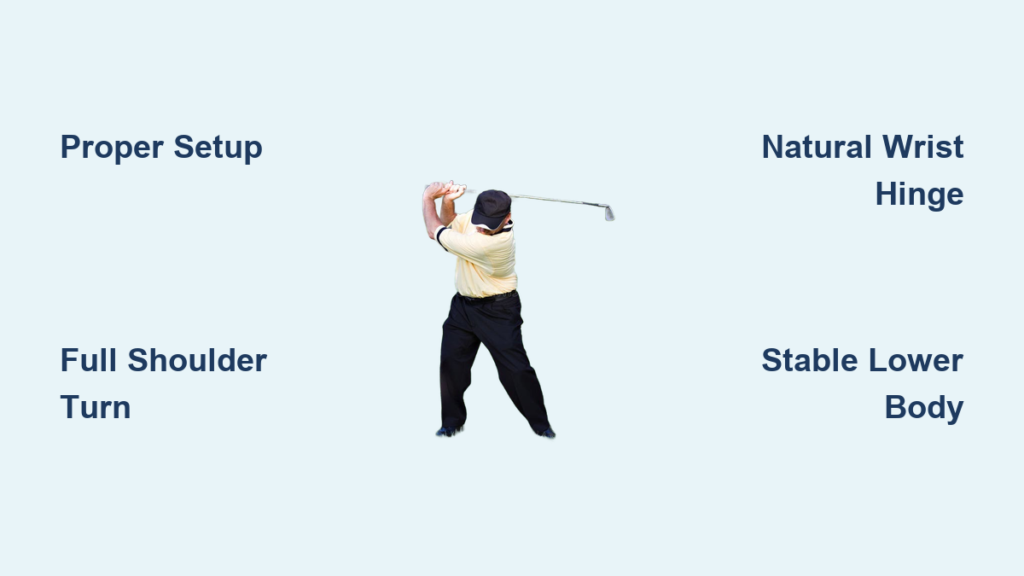
You’re standing on the tee, wind whipping across the fairway, and you need a low, piercing shot that cuts through the air and stays on target. A high fade might get tossed around like a leaf, but what if you could hit a stinger? The stinger shot in golf is a low, powerful, controlled strike that flies under the wind, rolls out with authority, and impresses even the most seasoned players. Made famous by Tiger Woods, the stinger is a go-to shot for precision when conditions demand control over height and trajectory.
Learning how to do a stinger in golf isn’t just about copying a pro’s swing. It’s about mastering setup, ball position, and swing mechanics to produce a consistent, penetrating ball flight. While it may look simple, the stinger requires deliberate adjustments to your normal iron play. This guide breaks down exactly how to hit a golf stinger with step-by-step precision, common mistakes to avoid, and tips to make it part of your on-course strategy.
Perfect Your Setup

The foundation of a great stinger starts before you swing. Your stance, posture, and ball position set the stage for a low-trajectory shot.
Narrow, Forward-Aimed Stance
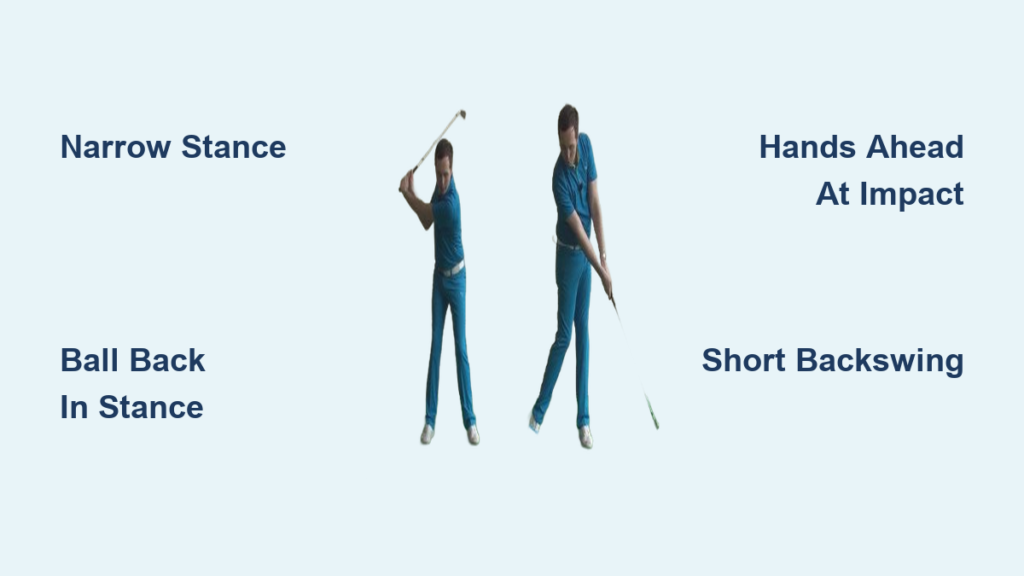
Stand with your feet shoulder-width apart, but slightly narrower than usual. This promotes stability without excess lateral movement. Point both feet, knees, hips, and shoulders slightly left of your target (for right-handed golfers). This open alignment encourages an inside-out swing path while allowing you to stay on plane, which is critical for compressing the ball.
Ball Position: Back in the Stance
Place the ball 1–2 inches back from your normal iron position, closer to the middle or slightly behind center in your stance. This subtle shift ensures your hands are ahead of the ball at impact, delofting the clubface and producing a lower launch. Think: hands lead, ball follows.
Weight Forward, Posture Steady
Shift about 60% of your weight to your front foot at address. Maintain a slight forward spine tilt from the hips, keeping your back straight and eyes over the ball. This forward pressure helps deliver a steeper angle of attack, compressing the ball for maximum control and reduced spin.
Adjust Your Grip and Club Choice
Using the right club and grip ensures you maintain control and achieve the desired flight.
Use a Mid-Iron, Not a Driver
The stinger is best hit with a 5-iron to 7-iron, not a long iron or driver. These clubs offer enough loft to get the ball airborne while still allowing you to deloft them into a low shot. Avoid wedges or short irons because they are too lofted for true stinger mechanics.
Stronger Grip for Control
Use a slightly stronger grip (rotate both hands clockwise for right-handers) to promote a more neutral to slightly closed clubface at impact. This prevents excessive face rotation and helps maintain a low, boring trajectory without slicing or ballooning.
Master the Swing Mechanics
Swinging correctly is where most golfers go wrong. The stinger isn’t a full power swing. It’s controlled, compact, and precise.
Shorten the Backswing
Limit your backswing to three-quarters length. This reduces clubhead speed slightly but increases control and consistency. Focus on turning your shoulders fully while keeping the swing compact, and don’t let the club go too far past parallel.
Lead with the Hands
The key to a stinger is forward shaft lean at impact. As you transition into the downswing, lead with your hands and keep your wrists firm. Imagine driving the handle of the club toward the target before the clubhead releases. This delofts the club and traps the ball between the face and turf for a low, powerful launch.
Keep the Follow-Through Low
Unlike a normal iron shot, the stinger’s follow-through is short and low. Don’t let your hands finish high. Instead, stop the swing around chest height, with your belt buckle facing the target. This prevents over-rotation and maintains the low flight.
Diagnose Common Mistakes
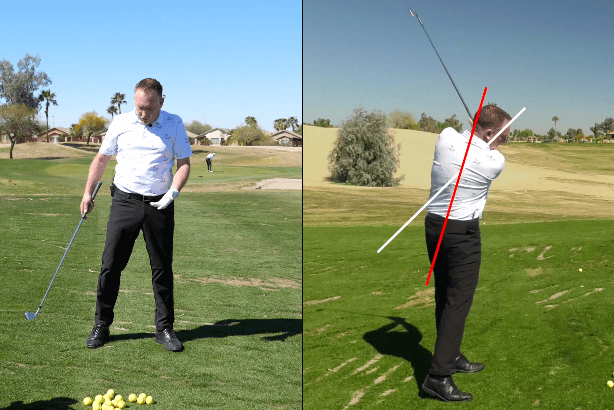
Even with good setup, small errors can ruin your stinger attempt.
Ball Too Far Forward
If the ball is too far forward in your stance, you’ll hit it with the club ascending, launching it too high. Always double-check: ball slightly behind center, hands ahead.
Swinging Too Hard
Trying to crush the ball defeats the purpose. Over-swinging causes loss of posture, hand lag, and inconsistent contact. Focus on smooth tempo, not maximum speed.
Standing Up During Swing
Losing spine angle or standing up through impact lifts the ball. Maintain your forward tilt and knee flex throughout the swing. Think “stay down” through impact.
Practice Drills for Consistency
Repetition builds muscle memory. Use these drills to ingrain the stinger motion.
Towel-Under-Arm Drill
Tuck a small towel under both armpits and make slow swings. If the towel drops, your arms have separated from your body, which is a common flaw in over-the-top moves. This drill promotes a connected, compact swing.
Impact Bag Training
Hit an impact bag with your hands ahead of the clubhead. Feel the forward shaft lean and body alignment. This reinforces correct impact position without worrying about ball flight.
Gate Drill for Low Flight
Set up two alignment sticks in the ground about 6 inches apart, 10 yards in front of you. Aim to hit shots that fly under the gate. This trains your brain to produce a lower trajectory.
When to Use the Stinger on the Course

Knowing when to pull the stinger out of your bag makes it a strategic weapon.
Into the Wind
High shots get killed by headwinds. A stinger cuts through with less air resistance and more roll. Use it on long par 4s or par 3s when the wind is strong.
Tight Fairways or Tree Lines
When you need to keep the ball under tree branches or avoid crosswinds above the treetops, the stinger keeps you safe and on line.
Controlled Run-Outs
On firm, fast fairways, a stinger can carry 150 yards and run out to 170+, perfect for holding greens without risking a long iron’s high descent.
Pro Tips for Better Execution
Take your stinger to the next level with these expert insights.
Visualize a Low Ceiling
Imagine a ceiling just 10 feet above the ground extending down the fairway. This mental cue keeps your swing shallow and impact crisp.
Focus on Compression, Not Height
Stop worrying about how far the ball goes in the air. Instead, focus on striking down and through the ball. The roll will take care of itself.
Use It Off the Tee
On tight par 4s, tee the ball low and hit a stinger with a 5-iron. You’ll get accuracy, control, and plenty of roll, just like Tiger did at Augusta.
Frequently Asked Questions About the Stinger Shot in Golf
What is a stinger in golf?
A stinger is a low-trajectory golf shot that flies under the wind, rolls out significantly, and is played with a mid-iron like a 5-iron to 7-iron. It produces a penetrating ball flight with less spin than a normal iron shot.
Which club is best for hitting a stinger?
The best clubs for a stinger are mid-irons, specifically a 5-iron, 6-iron, or 7-iron. These clubs offer enough loft to launch the ball while allowing you to deloft the face for a low, controlled flight.
Can you hit a stinger with a driver?
While you can lower ball flight with a driver, a true stinger is most effective with mid-irons because they provide better control and a lower spin rate. Drivers are harder to control at low trajectories for most golfers.
Why do I sky or top the ball when trying to hit a stinger?
Skeying or topping the ball usually means your weight has shifted back, or you’re standing up through impact. Focus on keeping 60% of your weight forward, maintaining spine tilt, and staying down through the shot.
How far does a stinger carry compared to a normal iron shot?
A stinger typically carries about 80–90% of your normal iron distance but adds significant roll due to the lower trajectory. You may sacrifice some carry distance but gain total distance through rollout.
Is the stinger hard to learn?
The stinger requires setup adjustments and controlled swing mechanics, which can feel awkward at first. With consistent practice using drills like the towel-under-arm and gate drills, most golfers can learn it within a few range sessions.
Key Takeaways for Mastering the Stinger in Golf
The stinger is one of golf’s most effective specialty shots when executed correctly. Focus on three fundamentals: narrow stance with ball positioned slightly behind center, hands leading at impact with forward shaft lean, and a compact three-quarter swing with a low follow-through. These adjustments compress the ball and produce the low, penetrating flight that defines this shot.
Avoid the most common pitfalls: ball too far forward, over-swinging, and standing up through impact. Each of these errors adds height or destroys contact. Practice deliberately with the towel drill, impact bag, and gate drill to build muscle memory and confidence.
Use the stinger strategically into the wind, under tree cover, or on firm fairways where rollout matters. Start on the range, then take it to the course when conditions demand control over distance. With regular practice, the stinger will shift from a trick shot to a reliable weapon in your bag.