
Putting is the most crucial part of your golf game, accounting for nearly 40% of your total strokes on the course. Yet, many golfers overlook proper technique, relying on feel instead of fundamentals. A consistent, repeatable putting stroke can save you strokes, lower your scores, and boost your confidence on the greens.
This guide delivers practical, actionable golf putting stroke tips used by touring professionals and coaches. You’ll learn how to set up correctly, maintain a stable stroke path, and strike the ball with precision. Whether you are a beginner or an experienced player looking to refine your stroke, these techniques will help you build a more reliable putting game.
Proper Setup for a Consistent Putting Stroke
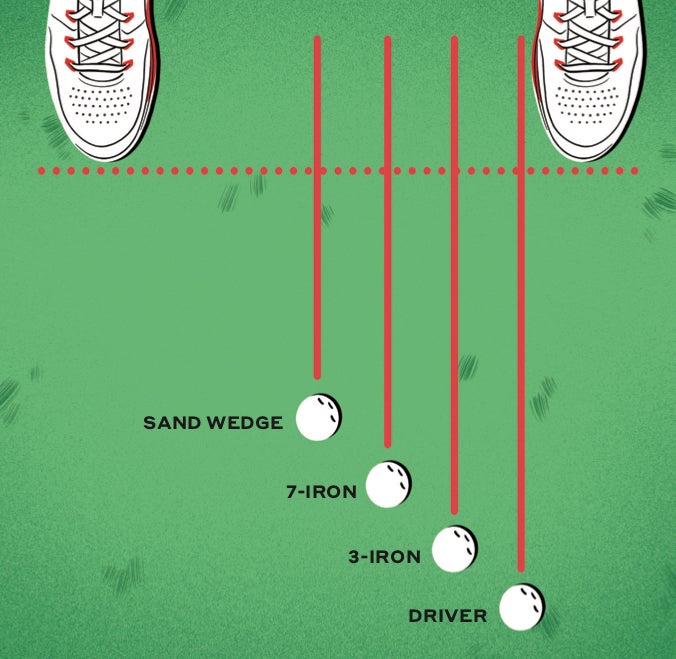
Your putting stroke starts long before you swing the club. The foundation of a solid stroke lies in your setup, including posture, grip, and alignment. Get these wrong, and even the smoothest motion will not save you from missed putts.
Correct Stance and Posture for Putting
Stand with your feet shoulder-width apart, knees slightly bent, and your weight balanced over the balls of your feet. Your eyes should be directly over or slightly inside the ball to ensure accurate aim. Bend forward from the hips so your arms hang naturally, creating a straight line from your shoulders to the clubhead.
Avoid standing too upright or too close to the ball. Both distort your vision and encourage hand manipulation during the stroke. Keep your back straight and your head still, minimizing unnecessary movement.
Grip for Control and Feel
Use a grip that promotes stability without tension. The reverse overlap (right-hand low for right-handed golfers) is popular because it reduces wrist breakdown. Other options include the cross-handed grip or claw grip, both of which help limit wrist action and improve consistency on short putts.
Ensure your grip pressure is light, about a 3 out of 10. Tension in your hands leads to jerky strokes and poor distance control. Think of holding a tube of toothpaste without squeezing out the contents.
Align Body and Clubface Accurately
Misalignment is one of the top reasons for missed putts. Always check that your feet, hips, and shoulders are parallel to your target line. Use the edge of the putter head or a line on the ball to square the clubface at address.
Pro tip: Place a club on the ground behind the ball to visually guide your alignment. This simple drill reinforces proper setup and trains your eyes to see the target line clearly.
Stroke Path: Straight vs. Arc
One of the most debated topics in putting is whether the stroke should move straight back and through or follow an arc. The truth? Both can work, but only if matched to your setup and natural motion.
Choose Based on Eye Position and Posture
If your eyes are positioned directly over the ball and you stand more centered, a straight-back, straight-through stroke may suit you best. This path works well with face-balanced putters and requires minimal rotation.
If your eyes are inside the ball and you stand open to the target, your stroke likely follows a slight arc, common with heel-shafted, toe-hang putters. This natural swing path mirrors your shoulder rotation and promotes better release.
Match Putter to Stroke Type
Using the wrong putter can sabotage your stroke. Face-balanced putters (like mallets) resist twisting and stay square, ideal for straight strokes. Toe-hang putters allow rotation and work better with arcing strokes.
To test your putter’s balance, balance it on your finger. If the face points straight up, it is face-balanced. If it rotates closed, it has toe hang.
Tempo and Rhythm Control
A smooth, consistent tempo is more important than speed or force. Tour players often say, “It’s not how hard you hit it, but how smoothly.” A steady rhythm improves both distance control and directional accuracy.
Sync Backswing and Follow-Through
Your backswing and follow-through should mirror each other in length and speed. Think of your stroke as a pendulum, driven by the shoulders, not the hands. Let the weight of the putter do the work.
Count in your head: “One-one-thousand back, one-one-thousand through.” This helps maintain equal timing and prevents rushing the forward stroke.
Use a Metronome Drill for Better Rhythm
Practice with a metronome app set between 60–70 beats per minute. Swing the putter on each beat, back on one, through on the next. This trains muscle memory and reduces jerky, uneven strokes.
Try this drill for five minutes before every round to groove a consistent tempo.
Striking the Ball Solidly
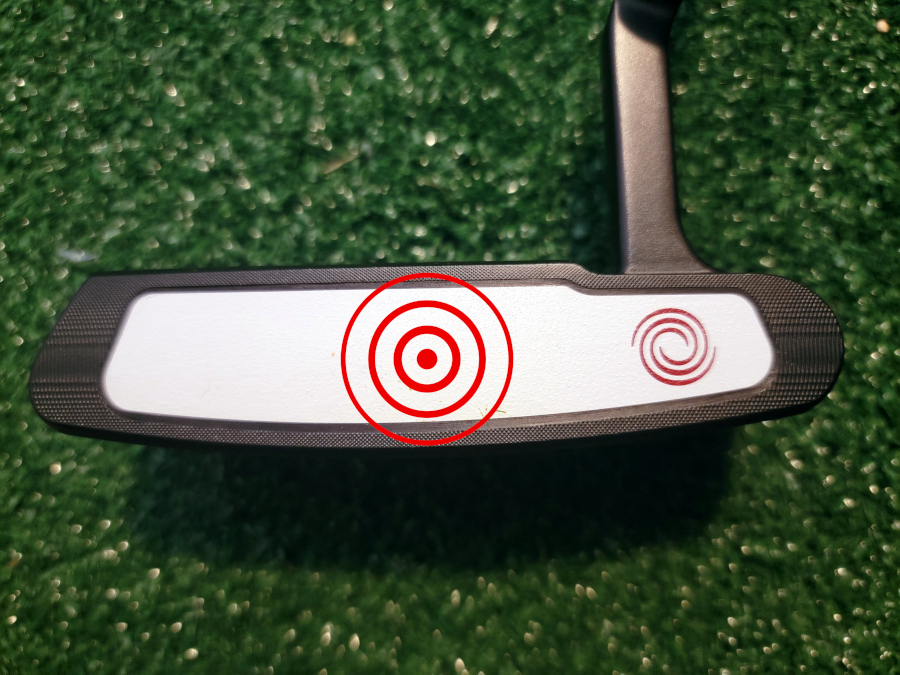
How you strike the ball determines roll quality. A clean, centered hit starts the ball rolling smoothly, reducing skid and improving trueness.
Hit the Sweet Spot Consistently
Mis-hits cause inconsistent roll and direction. To find the sweet spot, place a dry-erase mark on the putter face and strike balls with a clean clubface. After each putt, check where the ball left a mark on the face.
Adjust your setup until all marks cluster in the center. This feedback loop helps you refine contact over time.
Promote Forward Roll
The best putts start rolling immediately after impact. To achieve this, position the ball just forward of center in your stance (toward your front foot). This ensures the putter is slightly ascending at impact, catching the ball on the upstroke.
Combine this with a shaft that is nearly vertical at impact. Leaning the handle too far forward can cause the ball to pop up and skid.
Distance Control Techniques

Great putting isn’t just about making putts. It is also about lagging close when you miss. Distance control separates good putters from great ones.
Master the 3-Foot Circle Drill
Place five balls in a 3-foot circle around a hole. Putt each one from different angles and distances, focusing only on speed. Get each ball to stop within 18 inches past the hole.
This drill builds touch and teaches you how hard to stroke different-length putts.
Count Three-Putts, Not Just Putts
Track not just putts per round, but also three-putts. Aim to eliminate them entirely. A good rule: if you are outside 20 feet, focus on leaving the next putt inside 3 feet.
Use the “lag-putt mindset” and prioritize speed over line on long putts. A well-paced putt will often find the hole even if slightly off-line.
Fix Common Putting Mistakes
Even skilled golfers fall into bad habits. Recognizing and correcting these errors can lead to immediate improvement.
Avoid Hand and Wrist Manipulation
Active hands cause inconsistency. Your wrists should remain stable throughout the stroke, with no flipping, breaking, or scooping.
To fix this, try the towel-under-armpits drill. Tuck a small towel under both armpits and make strokes without dropping it. This promotes shoulder-driven motion and reduces hand influence.
Stop Lifting Your Head Too Soon
Looking up before impact disrupts balance and causes mis-hits. Keep your head still until the ball is well on its way.
Use a simple cue: say “down” in your head at impact. This mental reminder keeps your body quiet and ensures full follow-through.
Eliminate Deceleration
Hesitating through impact is a common cause of short putts. Trust your stroke and accelerate smoothly through the ball.
Practice with a “gate drill”: set two tees just wider than the putter head behind the ball. Make sure your follow-through clears the gate without hitting the tees. This encourages full extension and committed strokes.
Reading Greens Effectively
No stroke can compensate for a bad read. Accurate green reading combines slope, grain, and speed awareness.
Assess Slope from Multiple Angles
Walk behind the ball and behind the hole to evaluate break. Look for natural drainage patterns, footprints, and discolored grass. These often reveal subtle slopes.
The ball breaks most on the last third of its journey, so focus on the terrain near the hole.
Factor in Green Speed
Fast greens exaggerate break, while slow greens reduce it. Use the Stimpmeter reading if available, or observe how quickly other putts roll.
When in doubt, aim for the high side on fast downhill putts to avoid the double-break surprise.
Practice Drills for Daily Improvement
Great putting is built through smart, focused practice, not just repetition.
Gate Drill for Alignment
Place two coins or tees just wider than your putter head, about an inch in front of the ball. Stroke putts without hitting the gates. This sharpens face alignment and path control.
Do 10–15 reps before each round to tune your stroke.
One-Handed Putting for Feel
Practice putting with just your lead hand (left hand for right-handed golfers). This increases sensitivity and helps eliminate dominant-hand takeover.
Start with short putts and focus on smooth tempo. Once comfortable, add the trailing hand back with the same light pressure.
Pressure Putt Simulation
Set up a game: make five 6-foot putts in a row. Miss one? Start over. This simulates round pressure and builds mental toughness.
Add stakes by doing 10 push-ups for every miss. It adds accountability and makes practice more engaging.
Frequently Asked Questions About Golf Putting Stroke Tips
What Is the Most Important Putting Stroke Tip for Beginners?
Focus on setup first. Proper posture, grip, and alignment account for most successful putts. Without a solid foundation, even smooth strokes will miss the target.
How Can I Stop Yipping on Short Putts?
Reduce grip pressure and use a stable grip like the claw or cross-handed style. The towel-under-armpits drill also helps eliminate wrist breakdown that causes yips.
Should My Putting Stroke Be Straight or Arcing?
Both work, depending on your eye position and putter type. Eyes over the ball favor a straight stroke, while eyes inside the ball work better with a slight arc.
How Do I Improve Distance Control on Long Putts?
Practice the 3-foot circle drill and focus on lag putting. Prioritize speed over line on putts outside 20 feet to avoid three-putts.
How Often Should I Practice Putting?
Short, focused sessions of 15–20 minutes daily are more effective than long, repetitive sessions. Quality and intention matter more than quantity.
What Grip Pressure Should I Use When Putting?
Aim for about 3 out of 10. Light grip pressure promotes smooth tempo and reduces hand manipulation through impact.
Key Takeaways for Better Putting Performance
A reliable putting stroke comes from consistent setup, smooth tempo, and clean contact. Use these golf putting stroke tips to refine your technique, eliminate common errors, and build confidence on the greens. Practice with purpose, focus on one element at a time, and track your progress.
Over time, you will see fewer three-putts, more tap-ins, and lower scores, all from mastering the most important shot in golf. Start with one drill from this guide during your next practice session, and build from there.





