
Growing golf grass at home takes more than scattering seed and hoping for the best. It demands the right turfgrass, properly prepared soil, and a steady maintenance rhythm to build that dense, carpet-like surface that makes putts roll true. The most common golf grass types include bentgrass, Bermuda grass, and zoysiagrass, all prized for their fine texture, tight growth, and tolerance for low mowing. With the right approach from day one, you can grow a lawn that looks and plays like a real course.
This guide covers every step of growing golf grass, from picking the right seed to mowing at tournament-level height. You will learn which grasses match your climate, how to prep your soil for fast rooting, and the watering, fertilizing, and mowing habits that separate a struggling lawn from a tournament-quality surface. We will also walk through the common pitfalls, like overwatering and scalping, that can undo weeks of effort. By the end, you will have a clear plan to grow golf grass that performs season after season.
Pick the Right Golf Grass for Your Climate
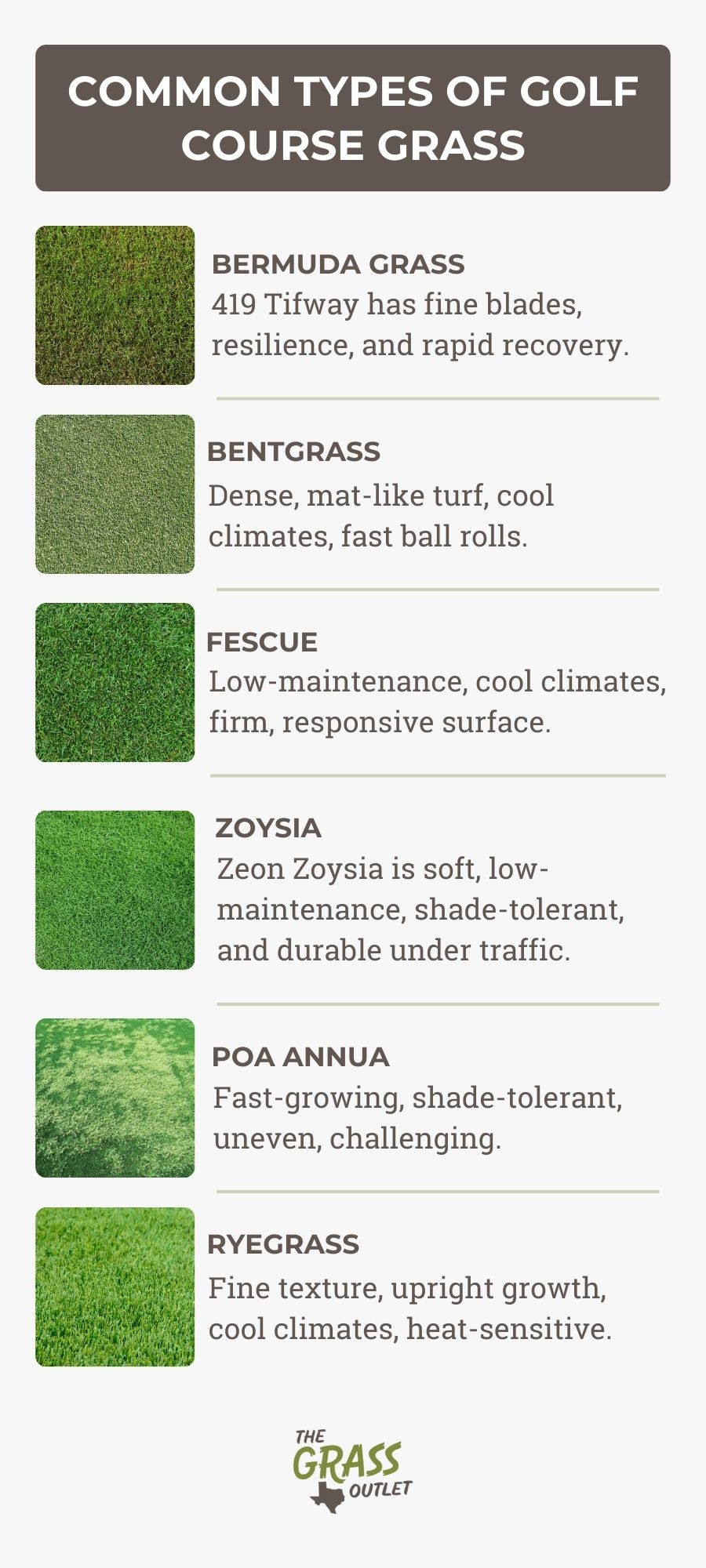
Your grass choice is the single biggest factor in how your lawn performs. Pick the wrong type and you will fight thin spots, disease, and endless repairs. Match your grass to your region and your maintenance appetite.
Cool-Season Grasses for Northern Lawns
Creeping bentgrass and perennial ryegrass dominate northern golf courses. These cool-season grasses thrive in temperatures between 60°F and 75°F and stay green through mild winters. Bentgrass is the gold standard for putting greens thanks to its ultra-fine blades and ability to be mowed as low as 1/8 inch, producing that smooth, glassy ball roll every golfer craves.
Warm-Season Grasses for Southern Lawns
Bermuda grass and zoysiagrass are the top picks for southern and coastal climates. Bermuda handles intense sun, recovers fast from wear, and forms a dense mat ideal for fairways and tees. Zoysiagrass grows more slowly, needs less mowing, and offers a softer feel underfoot along with solid drought tolerance.
Match Grass to Your USDA Zone
Before buying seed, check your USDA Plant Hardiness Zone. Bentgrass and ryegrass win in zones 3 through 6. Bermuda and zoysiagrass are better in zones 7 through 10. If you live in a transition zone like Virginia or Oklahoma, consider blends that mix cool- and warm-season traits, or overseed Bermuda with ryegrass each fall to hold color through winter.
Prepare Your Soil Before Planting
Great turf starts underground. Skipping soil prep leads to poor germination, weak roots, and a patchy finish that no amount of water can fix.
Test and Balance Your Soil pH
Run a soil test before anything else. Most golf grasses prefer a pH between 6.0 and 7.0. Add lime to raise acidic soil below 6.0, or elemental sulfur to lower alkaline soil above 7.0. Home test kits work, but a local extension office gives more detailed results and tailored amendment advice.
Clear, Grade, and Smooth the Surface
Remove every rock, root, and weed from the area. Use a sod cutter if you are replacing an old lawn. Rough-grade the soil to create a 1–2% slope for drainage, then top-dress with a ½-inch layer of sand or loamy soil. Fine-grade with a rake or laser level to lock in a flat, even surface ready for seeding.
Fix Drainage Before You Seed
Waterlogged soil suffocates roots and invites rot. If your soil is heavy clay, install a subsurface drainage system with perforated pipes and gravel. Core aerating before seeding also boosts oxygen flow and water infiltration, giving young roots a healthier start.
Seed at the Right Time of Year
Timing drives germination success. Seed too early or too late and you will see weak, patchy results.
Best Seeding Windows by Grass Type
Plant cool-season grasses in early fall, from September through October, when soil temperatures sit between 50°F and 65°F. Spring (April to May) is a solid backup, though summer heat can stress young plants. For warm-season grasses, wait until late spring or early summer (May through July), once soil temps climb above 65°F. Planting too late shortfalls root development before cooler weather arrives.
Overseed for Winter Color
If you want year-round green in a warm-season lawn, overseed Bermuda with perennial ryegrass each fall. Mow the Bermuda down to about 0.5 inches, dethatch if needed, then spread ryegrass at 5 to 10 pounds per 1,000 square feet. Keep the soil lightly moist until germination, then ease back on watering as the ryegrass establishes.
Water on a Smart Schedule
Watering is where many home lawns go wrong. Golf grass needs consistent moisture early on, then deep, infrequent soaking once established.
Adjust Watering as Grass Matures
During germination, water lightly twice a day for 5 to 10 minutes to keep the top inch of soil moist. This phase lasts 7 to 14 days. After establishment, shift to deep watering, about 1 inch per week split across two or three sessions. Deep soaking pulls roots downward, building drought tolerance and tougher turf.
Water Early and Measure Output
Always water between 5 AM and 9 AM. Early watering cuts evaporation and lets blades dry before nightfall, lowering fungal risk. Use a rain gauge or catch can to track output and avoid overwatering, which starves roots of oxygen and invites disease.
Mow Often at the Correct Height
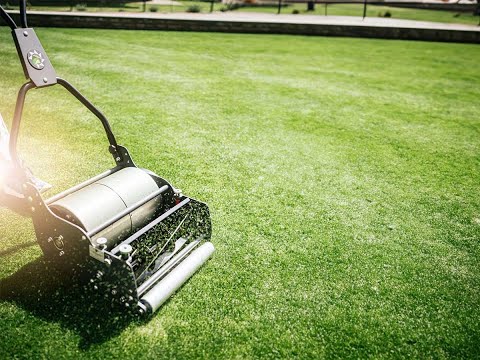
Mowing is where your lawn crosses from average to golf-grade. The right height and frequency build density and that signature smooth finish.
Set the Right Mowing Height by Species
Each grass has a sweet spot for mowing height:
• Bentgrass: 0.125 to 0.5 inches for putting greens
• Bermuda grass: 0.5 to 1.5 inches for fairways and roughs
• Zoysiagrass: 0.5 to 2 inches
• Perennial ryegrass: 1 to 2 inches
Never cut more than one-third of the blade in a single pass. Frequent mowing every 2 to 3 days for greens and weekly for roughs drives lateral growth and tightens the canopy.
Switch to a Reel Mower
Rotary mowers tear grass blades, raising disease risk. A reel mower cuts like scissors, leaving a clean, precise edge that mirrors what you see on professional greens. Reel mowers shine on bentgrass and Bermuda when you keep blades sharp and the reel-to-bedknife alignment dialed in.
Fertilize for Thick, Green Turf
Golf grass is a heavy feeder. A consistent fertilizer plan keeps growth dense, color rich, and recovery fast.
Match Fertilizer to Growth Cycles
Feed cool-season grasses in fall (September and November) and early spring (March). Use a high-nitrogen formula in fall and a balanced N-P-K like 16-4-8 in spring. Warm-season grasses do best with late spring (May) and mid-summer (July) feedings using slow-release nitrogen. Avoid fertilizing during dormancy or peak summer heat.
Pick the Right Fertilizer Blend
Choose granular or liquid fertilizers with micronutrients like iron and manganese for richer color without forcing excessive growth. Soil test results help you correct specific deficiencies. Organic options such as compost tea or fish emulsion can supplement synthetic feeds and boost long-term soil health.
Stay Ahead of Weeds, Pests, and Disease
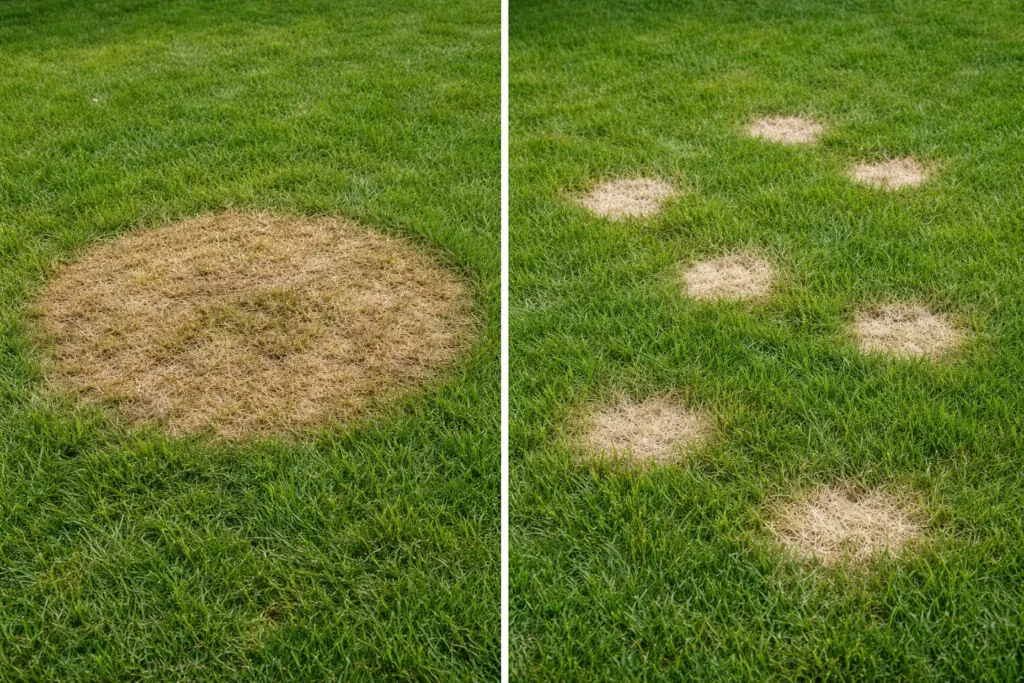
Even a well-kept green can fall victim to invaders. Prevention and early action keep small problems from becoming major repairs.
Stop Fungal Diseases Before They Start
Dollar spot, brown patch, and fairy ring thrive in humid, poorly drained turf. Cut the risk by:
• Watering in the morning only
• Mowing with sharp, clean blades
• Improving airflow across the surface
• Applying fungicides only when needed
Bentgrass greens in humid regions often benefit from preventive sprays in spring and fall.
Control Weeds and Insect Damage
Grubs, sod webworms, and chinch bugs chew through roots and blades, leaving brown patches behind. Look for warning signs like birds pecking at the lawn. Treat infestations with beneficial nematodes or targeted insecticides. For weeds like crabgrass, dandelions, and clover, apply pre-emergent herbicides in early spring to stop seeds before they sprout. Spot-treat existing weeds with post-emergent products safe for your grass type.
Lock In Year-Round Turf Health
Golf grass rewards steady, year-round care. A few core practices keep your lawn performing at its peak in spring, summer, and fall.
Aerate and Topdress on Schedule
Core aeration two to three times per year relieves compaction and improves water and nutrient flow. For putting greens, aerate every 2 to 4 weeks during peak season. After each pass, apply a thin 1/8-inch layer of sand or topdressing to smooth the surface and speed up thatch breakdown.
Keep Thatch Under Control
Thatch, the layer of dead organic matter between grass and soil, should stay under ½ inch thick. Excess thatch blocks water and feeds disease. Dethatch once a year with a vertical mower or power rake, especially on Bermuda and zoysiagrass lawns.
Winterize Your Turf the Right Way
In cold climates, finish the season with a fall fertilizer high in potassium to prep cool-season grasses for winter. Avoid walking on frozen grass to prevent crown damage. In warm climates, taper off watering and drop your mowing height slightly before winter dormancy sets in.
Frequently Asked Questions About Growing Golf Grass
What is the best grass for a backyard putting green?
Creeping bentgrass is the top pick for true putting-green performance thanks to its fine blades and ability to be mowed as low as 1/8 inch. For a lower-maintenance option that still looks great, Bermuda grass works well in warm climates, while perennial ryegrass is a solid choice for cooler regions.
How long does it take to grow golf grass from seed?
Most golf grasses germinate within 7 to 14 days under ideal conditions. Full establishment, meaning the turf is dense enough for regular play, typically takes 6 to 12 weeks depending on the species, weather, and how well you follow your watering and mowing schedule.
Can I grow golf grass in shade?
Golf grass prefers full sun. Bentgrass needs at least 6 hours of direct light daily, while Bermuda and zoysiagrass need 8 or more. If your lawn is heavily shaded, consider improving tree canopies or switching to a more shade-tolerant grass like fine fescue, though it will not perform like a true golf surface.
How often should I mow my golf grass?
Mow every 2 to 3 days during peak growing season for putting-green quality. For fairway-style grass, weekly mowing is usually enough. Daily mowing delivers the smoothest finish but requires a reel mower and sharp blades to keep cuts clean.
Do I need a reel mower for golf grass?
A reel mower is highly recommended for the cleanest cut and best turf health. Rotary mowers tear grass blades, which raises disease risk and dulls the surface. If you maintain bentgrass or low-mown Bermuda, a reel mower with sharp blades is essential for tournament-quality results.
When should I fertilize my golf grass?
Cool-season grasses need fertilizer in fall and early spring, while warm-season grasses do best with feedings in late spring and mid-summer. Always base your schedule on soil test results and avoid fertilizing during dormancy or extreme heat.
Final Thoughts on Growing Golf Grass Like a Pro
Growing golf grass is a long game, not a weekend project. The three biggest factors that decide success are choosing the right grass for your climate, prepping your soil before seeding, and sticking to a consistent mowing, watering, and fertilizing routine. Skipping any one of these steps leads to thin turf, disease, and constant repairs.
Start by testing your soil and selecting a grass that matches your USDA zone. From there, build a calendar around mowing height, seasonal fertilization, and core aeration so your lawn gets what it needs on time. Treat your turf like a living surface and it will reward you with a smooth, dense finish that looks and plays like a real course. Ready to get started? Pull a soil test this week and map out your seeding window, then commit to the daily care that turns a regular lawn into golf-grade turf.





