
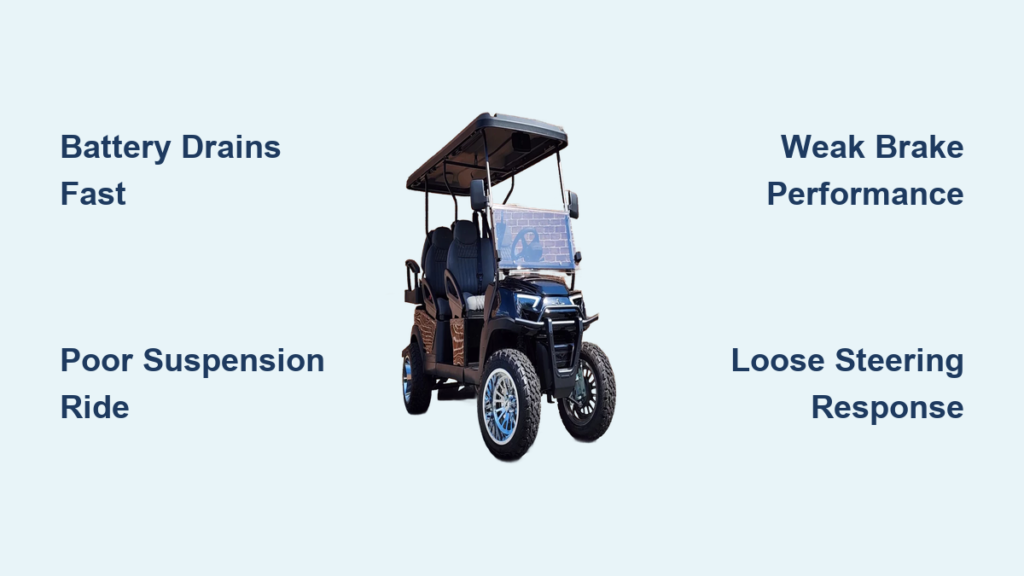
If your Denago golf cart leaves you stranded mid-round or rattling over every bump, you’re not alone. Despite Denago’s reputation for stylish, feature-rich electric carts, real owners consistently report recurring frustrations ranging from dying batteries to sketchy brakes. These aren’t isolated complaints. They follow clear patterns that anyone considering a Denago purchase should understand. This guide walks you through the most frequently reported Denago golf cart problems, explains what’s actually causing them, and shares practical fixes you can apply today to keep it running smoothly.
Battery Drains Too Fast
Fails Mid-Round Despite a Full Charge
Many Denago owners report their carts dying halfway through an 18-hole game, even when the charger indicates a full charge. This is especially common in carts older than two years. The core issue usually traces back to battery degradation or mismatched charging cycles that gradually reduce usable capacity.
Replace Every 2–3 Years?
Some users have replaced batteries twice in just three years, far shorter than the typical 4–6 year lifespan of quality lead-acid batteries. Possible causes include:
– Poor voltage regulation
– Inefficient energy draw from the motor
– Lack of deep-cycle battery support
Pro Tip: If your cart is compatible, upgrade to lithium-ion batteries. They last longer, charge faster, and handle terrain better, though the upfront cost is higher.
Test Battery Health
Use a multimeter to check voltage:
– Fully charged: Should read 50V+ (for a 48V system)
– Under load (driving): Should stay above 45V
– Drops below 42V? A weak cell is draining the pack
If one cell fails, replace the entire set. Mixing old and new batteries reduces overall efficiency.
Poor Suspension on Rough Terrain

Harsh Ride on Hilly Courses
Denago carts perform well on flat, paved paths but struggle on hilly or uneven terrain. Users describe a “jolting” sensation over bumps, which leads to both rider discomfort and long-term frame stress.
Frame Stress Signs
Repeated impacts can cause:
– Cracks near wheel mounts
– Loose body panels
– Misaligned axles
Visual Cue: Inspect the chassis after heavy use. Look for hairline fractures or bent metal near suspension arms.
Upgrade Options
Consider aftermarket improvements:
– Heavy-duty shock absorbers
– Lift kits for enhanced clearance
– All-terrain tires (20″ or larger)
These reduce strain and improve stability, especially if you use your cart off the course.
Uncomfortable Seat Design
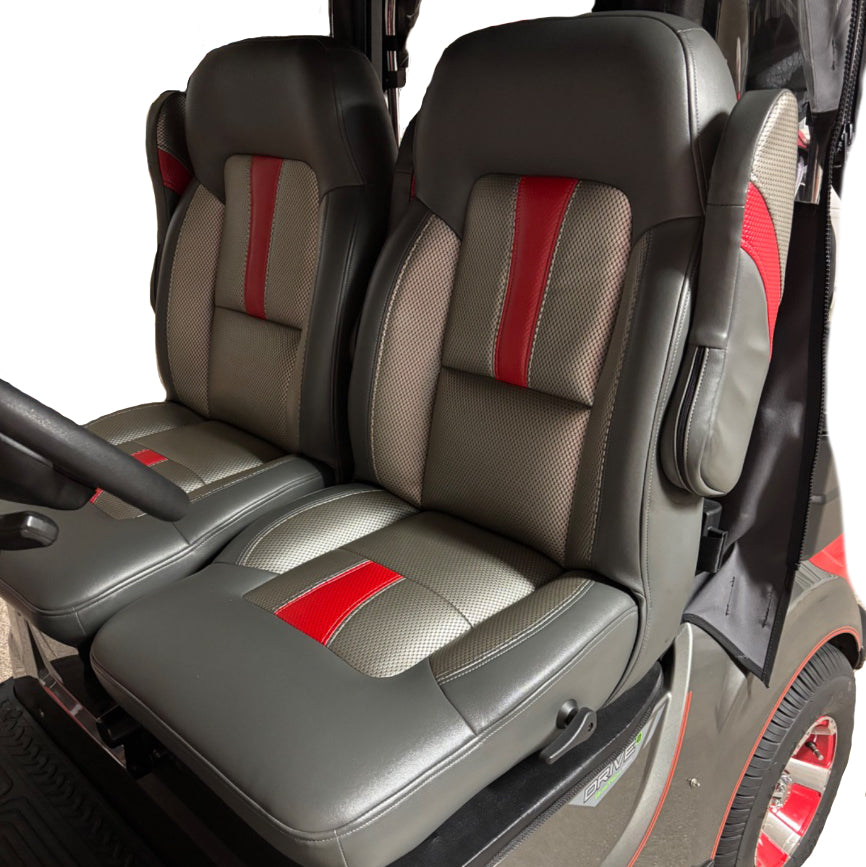
Hard Padding, Poor Back Support
Long rides become painful due to thin, rigid factory seating. The seats lack lumbar support and adequate cushioning, leading to fatigue. Many users report lower back discomfort after just 90 minutes of use.
DIY Fixes That Help
- Add gel seat cushions: Contoured designs stay in place
- Install a high-back aftermarket seat: Offers better posture support
- Use breathable covers: Prevents overheating during summer rounds
Warning: Avoid thick foam pads. They can slip and interfere with seat belts or folding mechanisms.
Weak Brake Performance
Slows Poorly on Downhill Slopes
Brakes often fail to respond adequately when descending hills. Users report “skidding” or needing to apply pressure for extended periods. This is a serious safety concern, especially when carrying passengers.
Causes of Brake Fade
- Low regenerative braking efficiency
- Worn brake pads (common in high-use carts)
- Misaligned calipers
Test Brakes Weekly
- Drive at 10 mph on a slight incline
- Apply brakes firmly
- The cart should stop within 6 feet without pulling to one side
If it doesn’t, inspect the pads and adjust brake tension. Replace pads if thickness is under 1/8 inch.
Inconsistent Build Quality
Mixed Materials, Loose Wiring
Owners notice a disconnect between Denago’s premium price point and actual construction. Some components feel solid, while others (like plastic trim and wiring harnesses) feel cheap.
Common Flaws
- Cracked fenders and dash covers: Caused by UV exposure and thin plastic
- Exposed wires under the seat: Risk of short circuits or water damage
- Loose screws in body panels: Vibration loosens them over time
Fix: Use zip ties to secure dangling wires. Apply UV protectant to plastic monthly to prevent cracking.
Loud Motor Whine
Annoying High-Pitched Noise
Instead of a quiet hum, many Denago carts emit a loud whine during acceleration. It’s not just annoying. It can also indicate motor or controller strain.
Possible Sources
- Worn motor bearings
- Faulty speed controller sending erratic signals
- Gear misalignment in the drive system
Reduce Noise
- Lubricate the drivetrain annually with electric-motor-safe grease
- Check motor mounts, since loose bolts amplify vibration
- Update firmware (if available) to optimize power delivery
Note: A sudden increase in noise may signal impending motor failure. Get it checked immediately.
Charging Port Design Flaws
Loose Connection, Needs Taping
The charging port doesn’t hold the cable securely. Vibration or minor movement disconnects it mid-charge, and some users resort to taping the plug in place, a workaround that shouldn’t be necessary.
Risks of Poor Connection
- Incomplete charging cycles
- Overheating at the port
- Premature battery wear
Temporary Fix
Use a rubber strain relief boot or silicone seal to keep the plug snug. Ensure no moisture enters the port.
Long-Term Solution: Request a redesigned port from Denago or install an aftermarket locking charger inlet.
Dim Dashboard Lighting

Hard to Read at Night
The instrument panel is too dim for low-light conditions. The speedometer, battery gauge, and warning lights are difficult to see after sunset, which poses a safety risk in communities with nighttime cart use.
Easy Upgrades
- Add LED strip lighting under the dash (12V, waterproof)
- Install a small spotlight mounted near the steering column
- Use glow-in-the-dark labels on key gauges
Ensure any added lights don’t drain the main battery when the cart is off.
Loose Steering Response
Cart Wanders Off Course
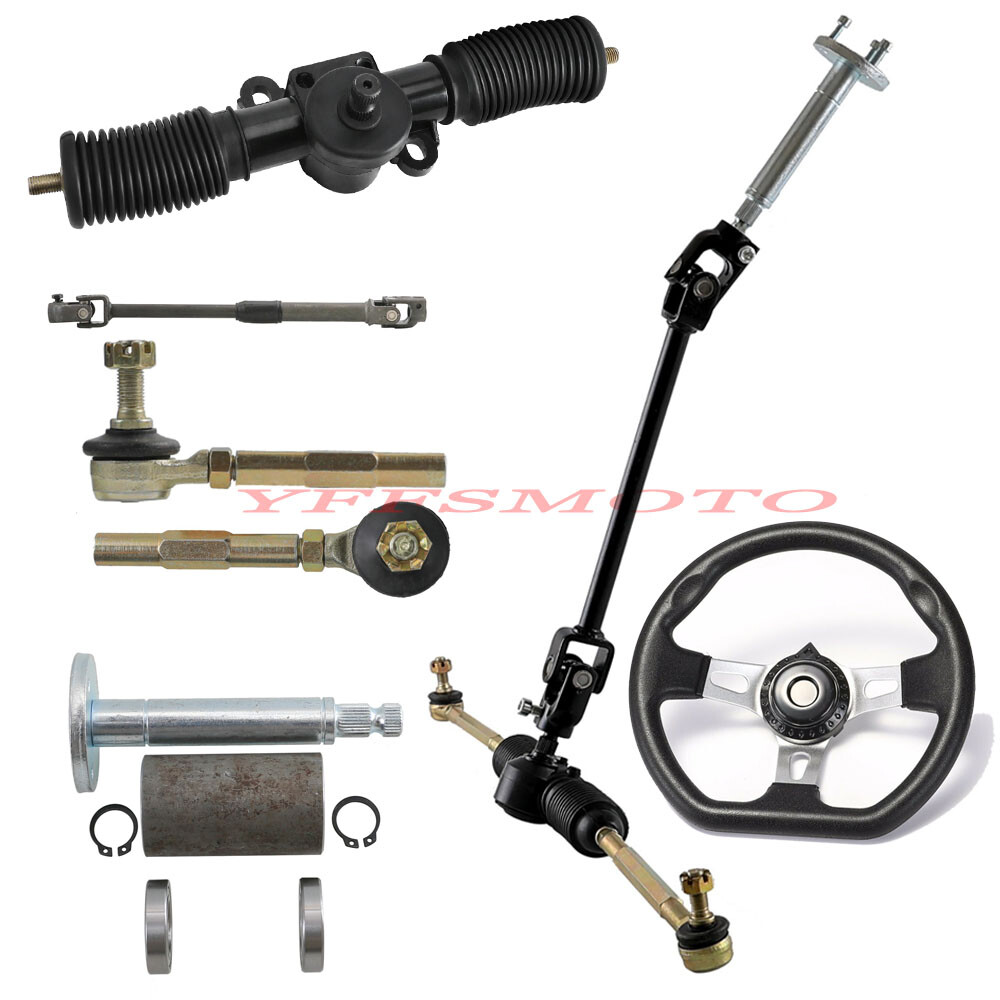
Steering feels “sloppy” and requires constant correction. On uneven ground, the cart may drift unexpectedly, often due to loose tie rods or a worn steering column.
Check These Parts
- Steering gearbox: Should have minimal play
- Tie rod ends: Wiggling means they’re worn
- Steering column bolts: Tighten every 6 months
Test: With wheels straight, turn the wheel slightly. If the front wheels don’t respond immediately, there’s excess play.
Slow Warranty Service
Long Waits, Poor Dealer Support
Even with valid coverage, users report waiting over two months for motor replacements. Dealers often lack parts or fail to respond promptly, leaving some owners to pay for repairs out of pocket.
How to Protect Yourself
- Document everything: Keep photos, service records, and email trails
- Escalate to Denago HQ: If your dealer is unresponsive, contact corporate support directly
- Request a loaner cart: For extended repairs, ask for temporary replacements
Pro Tip: Register your cart online immediately after purchase. This speeds up warranty validation.
Prevention and Maintenance Tips
Extend Your Cart’s Life
Regular upkeep prevents many Denago golf cart problems. Follow this monthly checklist:
– Inspect battery terminals (clean corrosion with a baking soda mix)
– Check tire pressure (22–25 PSI is ideal)
– Lubricate steering and suspension joints
– Tighten all bolts and fasteners
– Test lights and horn
Invest in Upgrades Early
Consider these improvements sooner rather than later:
– Lithium battery conversion
– LED lighting package
– Premium seat with armrests
– Digital speed controller for smoother acceleration
These upgrades reduce long-term costs and improve safety.
Frequently Asked Questions About Denago Golf Carts
Why does my Denago battery die so fast?
Battery degradation is the most common cause, especially in carts over two years old. Poor voltage regulation and inefficient energy draw accelerate wear. Test your battery pack with a multimeter. If voltage drops below 42V under load, replace the full set.
Are Denago golf carts reliable?
Reliability varies by component. The frame and basic structure hold up well, but battery life, suspension, and braking are frequent weak spots. Build quality is also inconsistent, with some plastic parts cracking easily.
How long do Denago batteries last?
Lead-acid batteries in Denago carts often last only 2–3 years, shorter than the 4–6 year industry average. Upgrading to lithium-ion (if compatible) can significantly extend lifespan and improve performance.
Can I fix Denago golf cart problems myself?
Many issues (like loose wiring, dim lights, or uncomfortable seats) have simple DIY fixes. However, motor or controller problems typically require a dealer. Document everything if you plan to claim warranty service.
Is the Denago warranty worth it?
Coverage exists but service can be slow. Some owners wait over two months for parts, and dealer support is inconsistent. Register your cart immediately after purchase and keep thorough records to strengthen any claims.
Key Takeaways for Denago Golf Cart Owners
Denago golf carts offer solid style and convenience, but they come with recurring reliability issues you shouldn’t ignore. Battery life, suspension comfort, braking power, and build quality are the most commonly reported problems. Some fixes are easy and DIY-friendly, while others require dealer intervention, especially under warranty. Stay proactive with maintenance, upgrade the most vulnerable components early, and don’t accept slow warranty service without pushing back. With proper care, your Denago can deliver years of dependable service despite its flaws.





