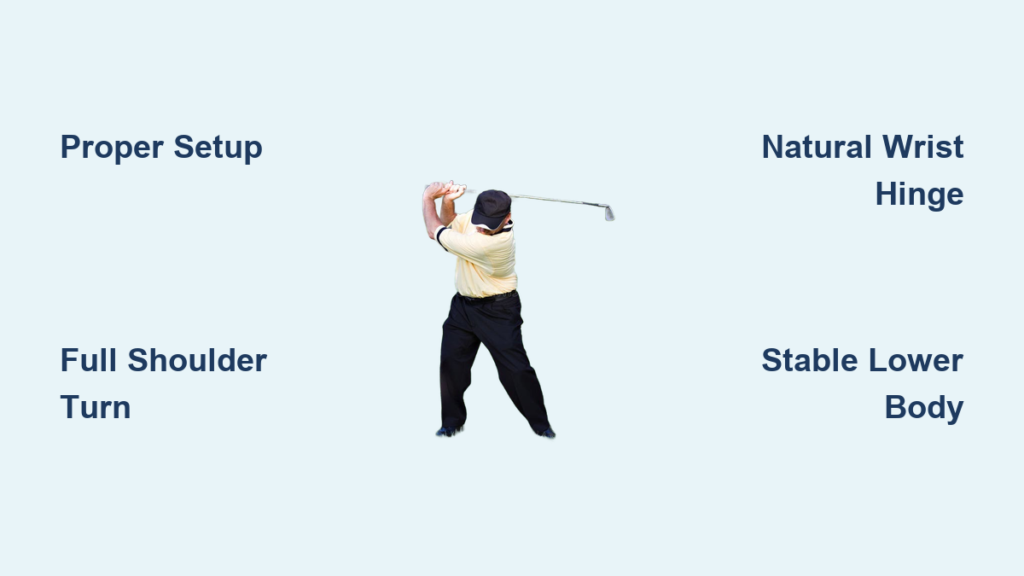
Golf looks like a low-impact sport, but anyone who’s played 18 holes knows better. Over 80 swings per round generate enough friction to separate skin layers, especially when sweat, humidity, and grip pressure team up. For right-handed players, the left ring finger, pinky base, and right thumb pad take the worst beating, with pain typically flaring around hole 12 and wrecking your swing by the final stretch.
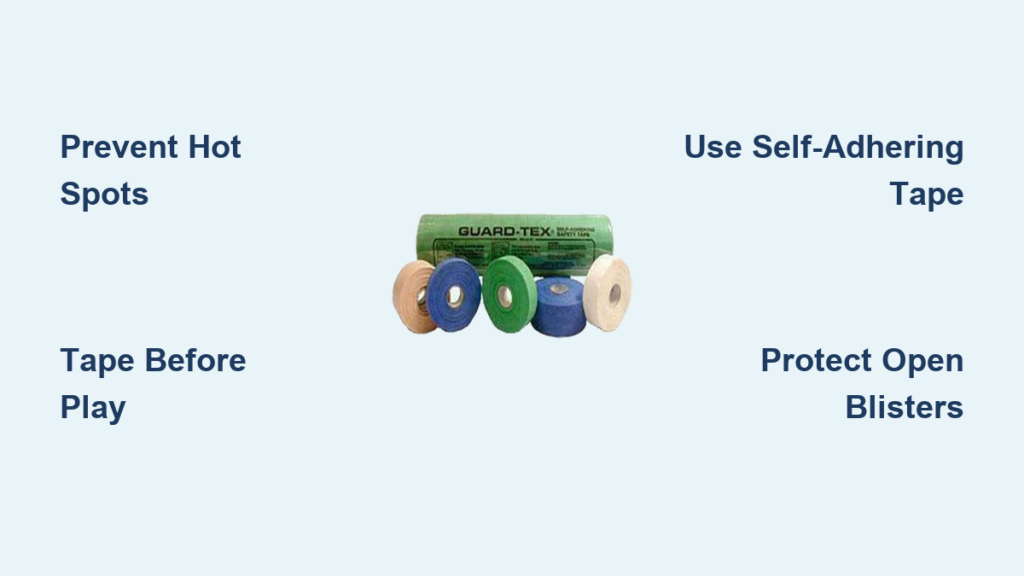
The good news? Golf blisters are completely preventable. Unlike contact sports, golf gives you time to act before pain starts. The smartest strategy goes beyond gloves or grip adjustments; it’s targeted protection using thin, self-adhering tape like Guard-Tex, the same product trusted since 1935 and famously used by President Eisenhower. This guide gives you clear steps to stop blisters before they form, treat them safely if they appear, and protect your feel for the game.
Identify Your Blister Hot Spots Early
Check Hands After Practice
After your next range session, inspect your hands for redness or warmth. These are early warning signs of friction damage. Right-handed golfers should pay close attention to:
- Left ring finger: Where the grip presses during downswing
- Left pinky base: Pressure point in the interlock grip
- Right thumb pad: Trail hand stress on full shots
Mark these zones mentally so you can tape them before your next round. Catching hot spots early means you can protect the skin before it breaks down on the course.
Track Your Blister Timeline
Most golfers notice a predictable pattern during a round:
- Hole 12: A warm spot develops
- Hole 15: The area turns raw
- Hole 17: You adjust your grip to avoid pain, throwing off your mechanics
If this sounds familiar, preventive taping before your next round can break the cycle. Don’t wait for pain. Act during warm-up or even in the parking lot.
Choose the Right Grip and Glove
Match Your Grip Size
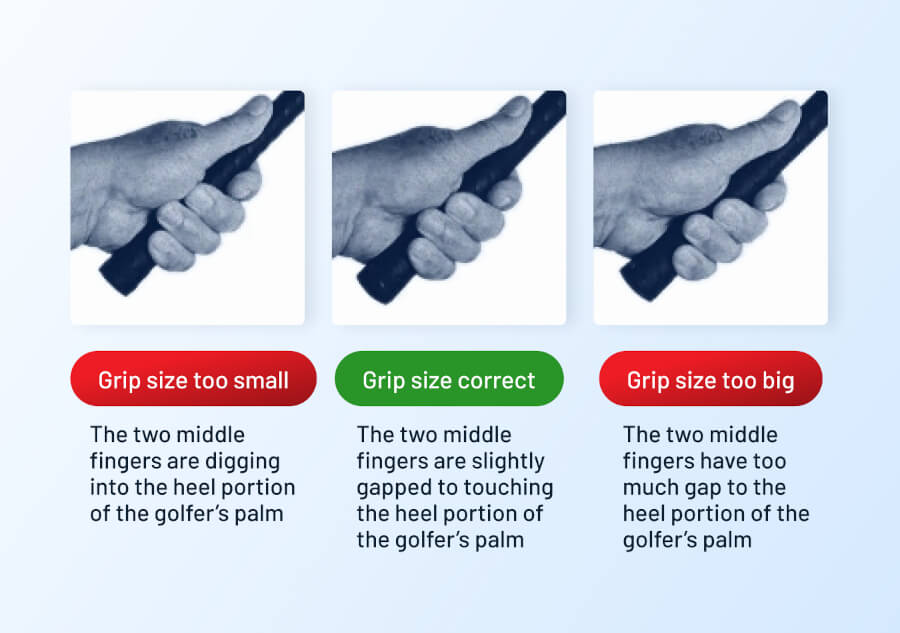
A grip that’s too small or too large forces your fingers to over-squeeze, which increases friction fast. Your fingers should wrap comfortably around the club with a slight overlap. Here’s a quick test:
- Fingertips barely touch your palm: The grip is too small
- Fingers don’t reach your palm: The grip is too large
- Ideal fit: Fingertips lightly touch the crease of your palm
When in doubt, consult a club fitter. Proper sizing removes unnecessary hand stress from your swing.
Break In New Grips
Fresh grips are often stiff and unforgiving. Play 2–3 practice rounds before tournament play to soften them. You can also wipe them with a damp cloth and let them dry to speed up the break-in process. This cuts down on the initial friction that causes early-season blisters.
Wear a Well-Fitted Golf Glove
A glove acts as a friction buffer between your skin and the club. It should fit snugly with no loose material at the heel or fingers. Replace gloves when they show wear or get damp, because wet fabric increases slippage and rubbing. Some players wear two gloves in humid conditions, though most purists stick with one on the lead hand.
Apply Preventive Hand Protection
Use Self-Adhering Tape Before Play
The most effective blister defense is thin, self-adhering gauze tape like Guard-Tex. Unlike bandages or athletic tape, it bonds to itself, not your skin, so there’s zero adhesive contact and no residue. Here’s how to apply it:
- Tear a 4–6 inch strip by hand (no scissors needed)
- Wrap 2–3 layers around the target finger or palm area
- Overlap each pass by half for even coverage
- Wrap from base to tip so the edge doesn’t catch on your glove
- Keep it snug, never tight, with full circulation
The added thickness is less than 1 millimeter, so your club feel stays intact. Most golfers forget it’s there by hole 3.
Pick the Right Tape Width
- 3/4-inch: Ideal for individual fingers like the ring or pinky
- 1-inch: Better for palm or thumb pad coverage
- 1-1/2-inch: Best for larger areas or grip wrapping, not fingers
For most golfers, 3/4-inch beige tape blends in and disappears under a glove.
Tape in Under 3 Minutes
You don’t need a locker room. Apply it in the parking lot before teeing off. The whole process takes about 3 minutes and lasts all 18 holes. Keep a roll in your bag year-round. It weighs almost nothing and lasts a full season (30–40 rounds).
Optimize Your Grip Technique
Avoid the Death Grip
Nervous putts and tight fairway shots often trigger grip tightening, which increases friction. Train yourself to stay relaxed:
- Check grip pressure on short putts. It should feel like holding a tube of toothpaste without squeezing.
- Use a neutral grip to reduce twisting and slippage.
- Focus on smooth tempo instead of power.
Even a slight reduction in pressure can keep hot spots from forming.
Keep Your Hand Placement Consistent
Make sure your hands sit in the same position every swing. Inconsistent grip leads to shifting pressure points and new friction zones. Practice your setup in front of a mirror or use alignment tape on your glove as a visual cue.
Treat Blisters Safely If They Appear
Don’t Pop Golf Blisters
Popping increases infection risk and delays healing. Let the blister drain naturally. Cover it with a non-stick pad and secure with a breathable bandage. Avoid golfing until it heals, or use protective tape to shield the area.
Play Through with Open Blisters
If a blister opens mid-round, here’s what to do:
- Clean gently with water
- Wrap with self-adhering tape like Guard-Tex
- The tape bridges over the wound with no adhesive touching your skin
- Continue playing with minimal discomfort
This method protects the area, prevents fibers from sticking, and supports overnight healing.
Avoid These Common Treatment Mistakes
- Thick bandages: Alter grip diameter and shift pressure points
- Athletic tape: Adhesive fails when wet and pulls skin on removal
- Moleskin: Too bulky and slides under damp gloves
- Liquid bandage: Stings when blisters open and cracks under friction
Self-adhering tape outperforms all of these in durability, comfort, and safety.
Choose the Best Blister Prevention Product

Compare Top Solutions
| Product | Blister Protection | Stays On 18 Holes? | Works on Open Blisters? | Cost per Season |
|---|---|---|---|---|
| Guard-Tex | Paper-thin | Yes | Yes, no adhesive on skin | ~$8 |
| Bandages | Bulky | Shifts in glove | Sticks to wound | $10–20 |
| Athletic Tape | Moderate | Peels off | Pulls skin | $8–15 |
| Moleskin | Thick | Slides when wet | Sticks to wound | $6–12 |
| Liquid Bandage | Thin | Cracks at blisters | Stings raw skin | $8–15 |
Guard-Tex leads in feel, durability, and safety, especially for open wounds.
Why Guard-Tex Stands Out
- Zero adhesive on skin: Bonds only to itself
- No residue: Skin and gloves stay clean
- No hair pulling: Gentle removal every time
- Preserves glove fit: Adds minimal bulk
- Made in USA since 1935: Trusted by Eisenhower, pros, and weekend players
One 30-yard roll lasts a full season, which works out to less than $0.25 per round.
Apply Tape Correctly: Step-by-Step
Step 1: Find Your Friction Zones
After hitting balls, check for redness. These are your pre-taping targets. Mark them mentally or with a fingertip.
Step 2: Wrap Before Teeing Off
- Tear a strip of 3/4-inch tape
- Wrap 2–3 layers around the hotspot
- Overlap by half, start at the base, and move upward
- Keep it snug with no tightness and full circulation
Step 3: Put Your Glove On and Play
Slide your glove over the tape. It lies flat and doesn’t affect your grip or interlock. Most players forget it’s there by the third hole.
Step 4: Remove After the Round
Peel off gently with no residue, no pain, and no stuck fibers. If a blister was underneath, it stays clean and undisturbed.
Prevent Seasonal and Recurring Blisters
Start Taping Early in the Season
Spring golfers often get blisters when their skin isn’t callused yet. Begin taping from round one rather than waiting for pain. This prevents the cycle of break-in blisters.
Maintain Good Hand Hygiene
Wash your hands before playing to reduce oils and sweat buildup. Use antiperspirant on your palms if you sweat heavily. Keep a dry towel in your bag to wipe your hands between holes.
Strengthen Your Skin Gradually
Build up hand tolerance with shorter rounds early in the season. Combine this with taping so your skin adapts without damage.
When to See a Doctor
Watch for Infection Signs
Seek medical help if a blister shows:
- Increasing redness or swelling
- Pus or foul odor
- Fever or warmth around the area
These signals point to a possible infection that may require antibiotics.
Consult a Professional for Chronic Blisters
If blisters keep coming back despite prevention:
- You may have an underlying condition like diabetes or poor circulation
- A dermatologist can recommend protective creams or custom padding
- Rule out allergic reactions to glove materials
Frequently Asked Questions About Golf Blisters
Will Protective Tape Affect My Grip Pressure?
No. Each layer is roughly the thickness of two sheets of paper. Two layers on a finger add less than a millimeter of total thickness. Most golfers forget they’re wearing it after the first few swings, so grip pressure, interlock feel, and club feedback stay the same.
Does It Work Under a Golf Glove?
Yes. The tape sits flat against the skin and adds minimal bulk. Your glove fits and feels the same. Many golfers use it under the glove on the lead hand and directly on the skin of the trail hand, and both approaches work well.
Can I Wrap Over an Existing Blister?
Yes, and this is one of its best uses. Zero adhesive means the tape won’t stick to the blister or pull at damaged skin during removal. It bridges over the wound, protects it from further friction, and comes off clean without disturbing healing tissue.
How Many Rounds Does One Roll Last?
A 30-yard roll lasts roughly 30–40 rounds when you’re wrapping 2–3 fingers per session. That’s an entire golf season from a single ~$8 roll, and most golfers keep it in their bag year-round.
Is This Really What Eisenhower Used?
Yes. President Eisenhower wrapped his golf club grips with GauzTex, the original brand name for Guard-Tex. The same self-adhering tape has been manufactured in the USA since 1935. The product he used is the same product available today.
What Width Works Best for Golf?
The 3/4-inch width is ideal for finger wraps. It’s narrow enough to wrap individual fingers precisely without overlapping onto adjacent fingers, which would interfere with your interlock or overlap grip. For palm protection, the 1-inch width covers more area per wrap.
Key Takeaways for Blister-Free Golf
Prevention Checklist
- Identify hot spots after practice
- Use properly sized grips and gloves
- Break in new grips before full play
- Apply self-adhering tape before each round
- Keep hands dry and pressure low
Optimal Taping Protocol
- 2–3 layers of 3/4-inch tape
- Half-overlap, wrapping from base to tip
- Snug, not tight
- Apply in 3 minutes pre-round
Final Tip: Play Through Pain-Free
You don’t need to tough it out. With the right prep, you can play 18 holes blister-free, preserve your swing mechanics, and enjoy the back nine without wincing. Start taping today; your hands will thank you by hole 18.