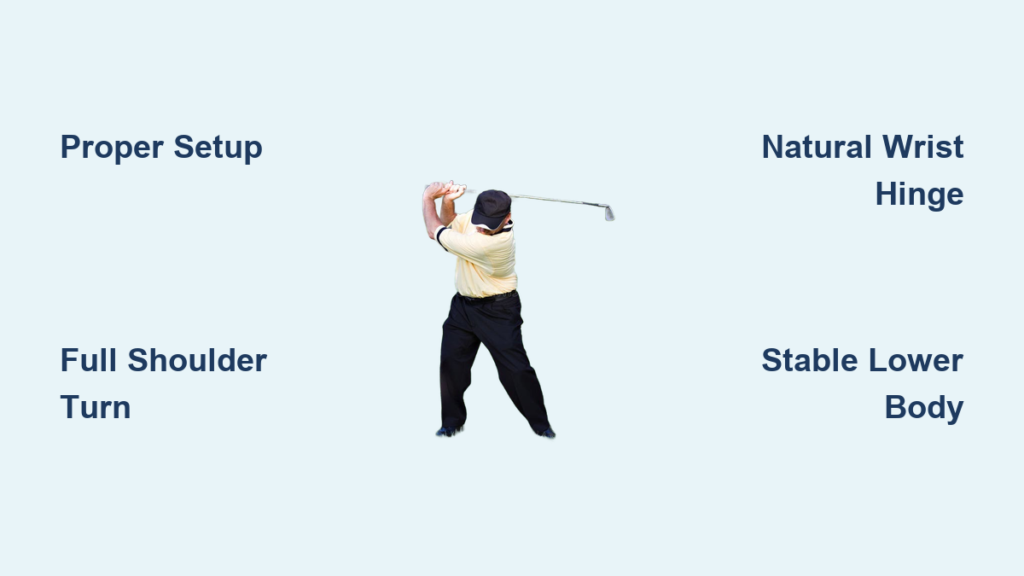
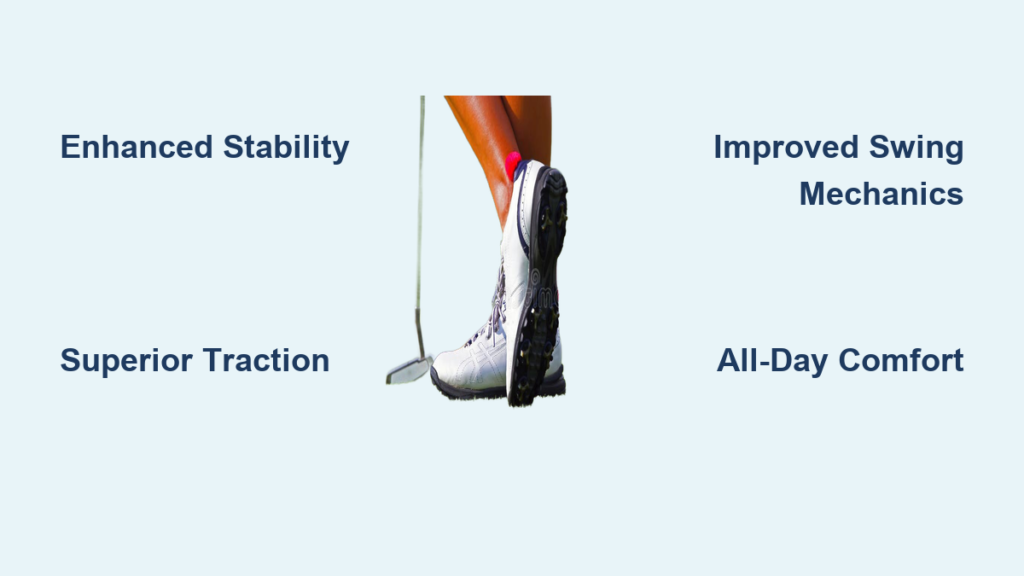
You might think golf is just about swinging a club while standing still, but every pro knows the real power comes from the ground up. The right golf shoes do far more than protect your feet; they are engineered performance tools that enhance stability, improve swing mechanics, and keep you comfortable over 18 holes of walking, standing, and swinging. Whether you are a weekend player or a serious golfer, wearing proper golf shoes gives you a tangible edge on the course.
From preventing slips during your backswing to reducing foot fatigue after 5 miles of walking, golf shoes are designed specifically for the sport’s unique demands. Unlike regular sneakers, they offer targeted traction, superior support, and weather-resistant features that help you stay balanced, focused, and injury-free. In this guide, we will break down exactly how golf shoes improve your game, backed by biomechanics, comfort engineering, and real-course performance.
Enhanced Swing Stability
Golf is not static; it is a dynamic motion requiring precise weight transfer and rotational control. Your feet are the foundation, and without solid footing, even the best technique falters.
Prevent Slipping During the Swing
A powerful swing generates significant rotational force. Without proper grip, your back foot can slide during the backswing or your front foot may shift at impact, both killing consistency. Golf shoes feature strategically placed cleats or traction patterns that lock your feet into place, ensuring no unwanted movement. This stability allows for cleaner weight transfer and better balance through contact.
Maintain Proper Posture and Alignment
When your feet stay grounded, your body stays in position. Firm heel construction and structured soles help keep your feet planted during the swing, preventing your foot from rolling or collapsing. This helps maintain spine angle and posture, leading to more repeatable swings and fewer off-center hits.
Maximize Power Transfer
Stable feet mean efficient energy transfer. With golf shoes anchoring your lower body, more power travels from your legs through your core and into the clubhead, resulting in increased clubhead speed and greater distance.
Superior Traction on All Terrains
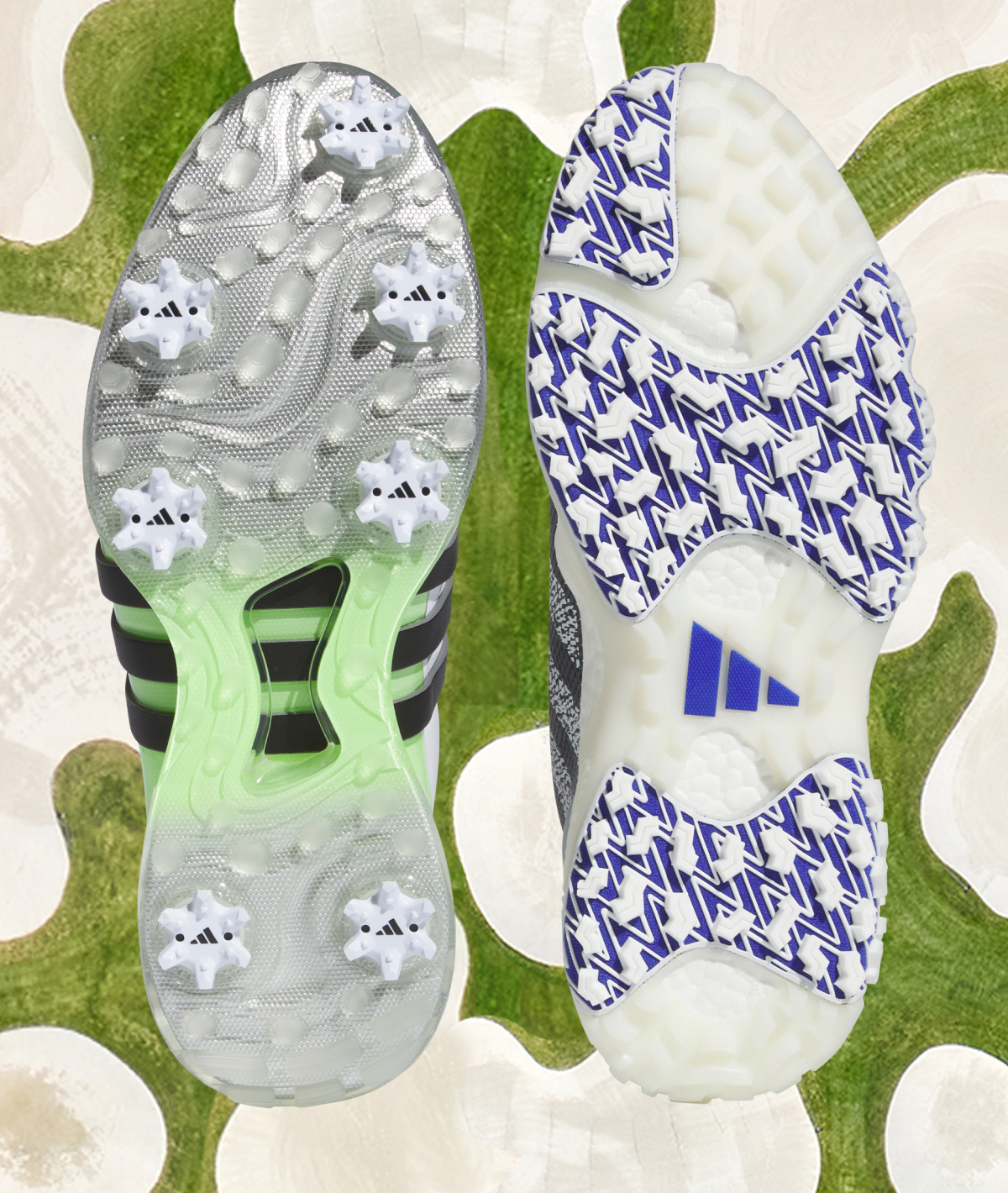
The course is unpredictable, featuring wet grass, soft fairways, and sloped lies. Golf shoes are built to handle it all with purpose-driven traction systems.
Spiked vs. Spikeless Performance
- Spiked shoes (metal or soft spikes): Deliver maximum grip, especially in wet conditions or on soft turf. Ideal for players who prioritize stability over versatility.
- Spikeless shoes: Offer a balance of comfort and traction with rubber nubs across the sole. Great for firm courses and walking, and often allowed in clubhouse areas.
Grip in Wet Conditions
Wet grass turns casual footwear into a slipping hazard. Golf shoes with water-resistant uppers and aggressive tread patterns maintain grip when it matters most. Soft spikes dig into damp turf, preventing slippage during downswing and follow-through.
All-Terrain Confidence
From fairway to bunker edge, golf shoes provide reliable traction on:
– Grass
– Dirt paths
– Slight inclines
– Wet tees
This adaptability keeps you steady during setup and swing, even on uneven lies.
Improved Swing Mechanics
Your shoes influence more than just balance; they shape how you move through the swing.
Support Weight Transfer
A proper golf swing shifts weight from back foot to front. Golf shoes facilitate this with:
– Firm heel support during backswing
– Flexible forefoot for smooth weight transition
– Stable platform at impact
This controlled movement leads to consistent ball striking and better shot control.
Enable Full Rotation
With feet planted securely, you can rotate fully without losing balance. This allows for greater coil in the backswing and more power on the downswing, which is critical for distance and accuracy.
Reduce Compensatory Movements
Loose footwear forces subtle corrections mid-swing, like gripping harder or rushing the downswing to stay upright. Golf shoes eliminate these inefficiencies by providing a stable base, letting your swing mechanics work as intended.
All-Day Comfort for 18 Holes

Walking 4 to 6 miles over hilly terrain in ill-fitting shoes leads to fatigue, pain, and distraction. Golf shoes are engineered for endurance.
Built-In Arch and Heel Support
Unlike standard sneakers, golf shoes include:
– Built-in supportive insoles
– Reinforced heel cups
– Targeted arch support designed for golf’s movement patterns
These features reduce strain on feet, ankles, and knees, especially important over long rounds.
Cushioning for Impact Absorption
Every step on concrete paths or hard cart paths adds up. Golf shoes use specialized cushioning systems to absorb shock, reducing lower-body fatigue and keeping you fresh from hole 1 to hole 18.
Breathable, Blister-Resistant Materials
High-performance uppers use breathable mesh or synthetic leather to:
– Wicks away moisture
– Prevent overheating
– Minimize friction that causes blisters
Combined with a proper fit, this keeps your feet dry and comfortable all day.
Weather and Course Adaptability
Golf happens in all conditions, including rain, dew, and mud. Your shoes need to keep up.
Water-Resistant Protection
Many golf shoes feature:
– Waterproof membranes
– Sealed seams
– Moisture-wicking materials
These prevent water from seeping in, keeping feet dry and warm during early morning rounds or rainy days.
Stay Focused in Damp Conditions
Wet feet lead to discomfort, distraction, and even blisters. With water-resistant golf shoes, you maintain comfort and concentration, no matter the weather.
Perform on Slopes and Uneven Ground
Courses are not flat. Golf shoes provide lateral stability on sidehill lies and firm grip on uphill and downhill stances, helping you stay balanced and execute shots with confidence.
Why Golf Shoes Beat Sneakers

While some players opt for sneakers for convenience, the performance gap is clear.
Stability: Shoes vs. Sneakers
| Feature | Golf Shoes | Sneakers |
|---|---|---|
| Heel Support | Firm, structured | Often soft or compressible |
| Traction | Cleats or multi-directional nubs | Flat rubber soles |
| Foot Fixation | Secure fit during rotation | May allow foot slide |
Sneakers lack the structural support needed for rotational sports, making them a liability during powerful swings.
Long-Term Comfort Comparison
Sneakers may feel comfortable at the first tee, but after 5 miles and 100+ swings, they often fail to support the arch or cushion impacts. Golf shoes are engineered for the full round, not just the first few holes.
Course Etiquette and Durability
Even spikeless golf shoes outlast sneakers on grass and dirt. They are also less likely to damage greens or tee boxes compared to hard-soled alternatives.
Choose the Right Shoe for Your Game
Not all golfers need the same shoe. Your choice should match your playing style and conditions.
Spiked Shoes: When to Use Them
- Playing in wet or soft conditions
- Prioritizing maximum stability
- Competing or practicing seriously
- Playing on hilly or slippery courses
Spiked models deliver unmatched grip and are favored by players who demand top performance.
Spikeless Shoes: Ideal For
- Dry, firm courses
- Players who walk frequently on and off the course
- Those valuing comfort and versatility
- Casual or recreational play
They double as walking shoes and are often allowed in dining areas.
Key Selection Factors
- Frequency of play: Regular players benefit most from investment-grade shoes
- Walking vs. cart: Walkers need more cushioning and support
- Climate: Wet regions demand waterproofing
- Foot type: Flat feet need arch support; high arches need cushioning
Measurable Game Improvements
The advantages of golf shoes are not just theoretical; they translate directly to better scores.
Increased Shot Accuracy
A stable base means consistent alignment and swing path. Fewer stance shifts result in straighter shots.
Greater Distance Potential
Efficient energy transfer from stable feet leads to higher clubhead speed, adding yards to drives and approach shots.
More Consistent Ball Striking
With feet firmly planted, you make center-face contact more often, improving spin control and trajectory.
Reduced Physical Fatigue
Less foot and leg strain means better focus and decision-making late in the round, when tournaments are won.
Long-Term Benefits and Value
Investing in quality golf shoes pays off over time.
Lower Injury Risk
Proper support reduces stress on joints, lowering the risk of overuse injuries in the knees, hips, and lower back.
Enhanced Enjoyment
Comfortable feet mean you enjoy the game more. No more cutting rounds short due to pain or blisters.
One of the Best ROI Upgrades
Compared to new clubs or lessons, golf shoes offer one of the most cost-effective performance boosts. They improve fundamentals like stability, balance, and mechanics without changing your swing.
Suitable for All Skill Levels
Beginners gain consistency; advanced players gain precision. Everyone benefits from better footing.
Frequently Asked Questions About Golf Shoes
Do golf shoes really make a difference in performance?
Yes. Golf shoes provide stability and traction that directly support the rotational forces of the swing, leading to more consistent strikes and better power transfer.
Can I wear sneakers instead of golf shoes?
For casual practice or short rounds, sneakers are acceptable. However, they lack the heel support, traction, and stability needed for full rounds and competitive play.
How far do you walk during a round of golf?
A typical 18-hole round involves walking 4 to 6 miles, which is why proper cushioning and support are critical for comfort and endurance.
Are spiked or spikeless golf shoes better?
Spiked shoes offer maximum grip in wet or soft conditions, while spikeless shoes provide more versatility and comfort. Your choice depends on typical playing conditions and personal preference.
Do golf shoes help prevent injuries?
Yes. Built-in arch support, structured heels, and proper alignment features reduce strain on the feet, ankles, knees, and lower back, lowering the risk of overuse injuries.
Are waterproof golf shoes worth it?
If you play in wet climates or early morning rounds with heavy dew, waterproof shoes keep your feet dry, comfortable, and blister-free.
Key Takeaways for Choosing Golf Shoes
Golf shoes are not just footwear; they are performance gear. They deliver measurable advantages in stability, traction, comfort, and swing mechanics that sneakers simply cannot match. If you play regularly, upgrading to proper golf shoes is one of the smartest moves you can make to improve consistency, confidence, and enjoyment on the course. Start by assessing your typical playing conditions, then choose between spiked and spikeless designs to match your game.