You’ve just hit a crisp approach shot toward a tucked pin, only to watch the ball balloon and roll past the green. Sound familiar? The answer often lies in mastering how to control spin in golf. Spin affects everything from how high your ball flies to how quickly it stops on the green. Too much spin causes shots to climb and fall short; too little leaves you with endless rollout. Learning to manage spin gives you the precision to attack flags, hold greens, and adapt to wind.
In this guide, you’ll discover the key factors that influence spin and how to adjust them intentionally. From clubface angle and swing tempo to ball selection and groove maintenance, every detail matters. Whether you want to add bite to your wedge shots or reduce driver spin for extra distance, these actionable techniques will help you take command of your ball flight.
Clubface and Loft Control
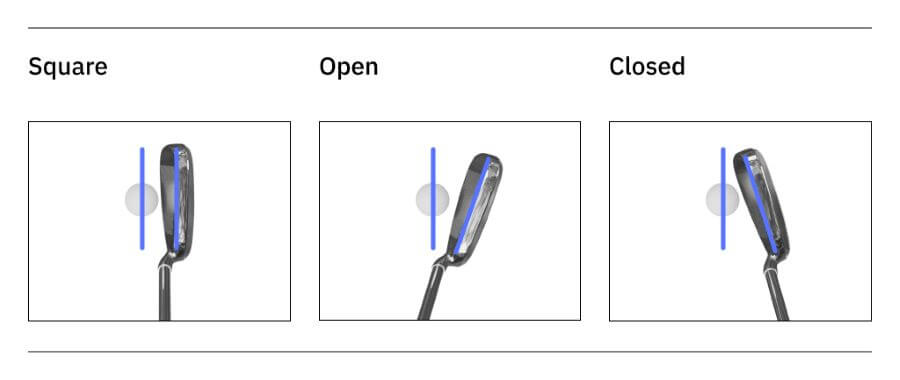
Spin starts with the clubface. The amount of effective loft at impact determines how much backspin you generate, and that loft changes based on your setup and swing dynamics.
Square vs Open Clubface
A square clubface delivers the designed loft of your club. An open face increases effective loft, which typically boosts spin, especially when grooves make clean contact. However, opening the face too much creates inconsistent spin through gear effect or reduced friction.
Pro Tip: Keep the clubface square through impact for predictable spin. Open it slightly only when you need extra height, such as from a bunker or tight lie.
Dynamic Loft Adjustment
Dynamic loft refers to the actual loft on your clubface at impact. Leaning the shaft forward (hands ahead of the ball) reduces dynamic loft and decreases spin. This technique works well for punch shots or when you want the ball to release forward.
What to look for: On a launch monitor, check whether your hands are ahead at impact. Just 1–2 degrees of forward lean can cut spin by several hundred RPM.
Angle of Attack Matters
Your angle of attack (AoA) directly affects spin rate. Whether you hit down, level, or up on the ball changes how much friction you create at impact.
Steeper vs Shallow Descents
Hitting down steeply increases spin because it compresses the ball against the clubface. Tour players often use a steeper AoA with short irons to generate control. Too steep an angle, however, can cause excessive spin or thin contact. A shallow descent reduces spin but may sacrifice consistency.
Ideal for spin control: With wedges, aim for an angle of attack between -4° and -6°. This delivers enough downward hit to create spin without losing ball speed.
Driver Spin and Upward Attack
With the driver, the goal is usually to minimize spin for longer carry and roll. Pros hit up on the ball (positive AoA) because modern drivers are designed for low spin and high launch.
Key adjustment: Tee the ball higher and position it forward in your stance, near your front heel. This encourages an upward strike that reduces spin and adds distance.
Ball Position and Contact Quality
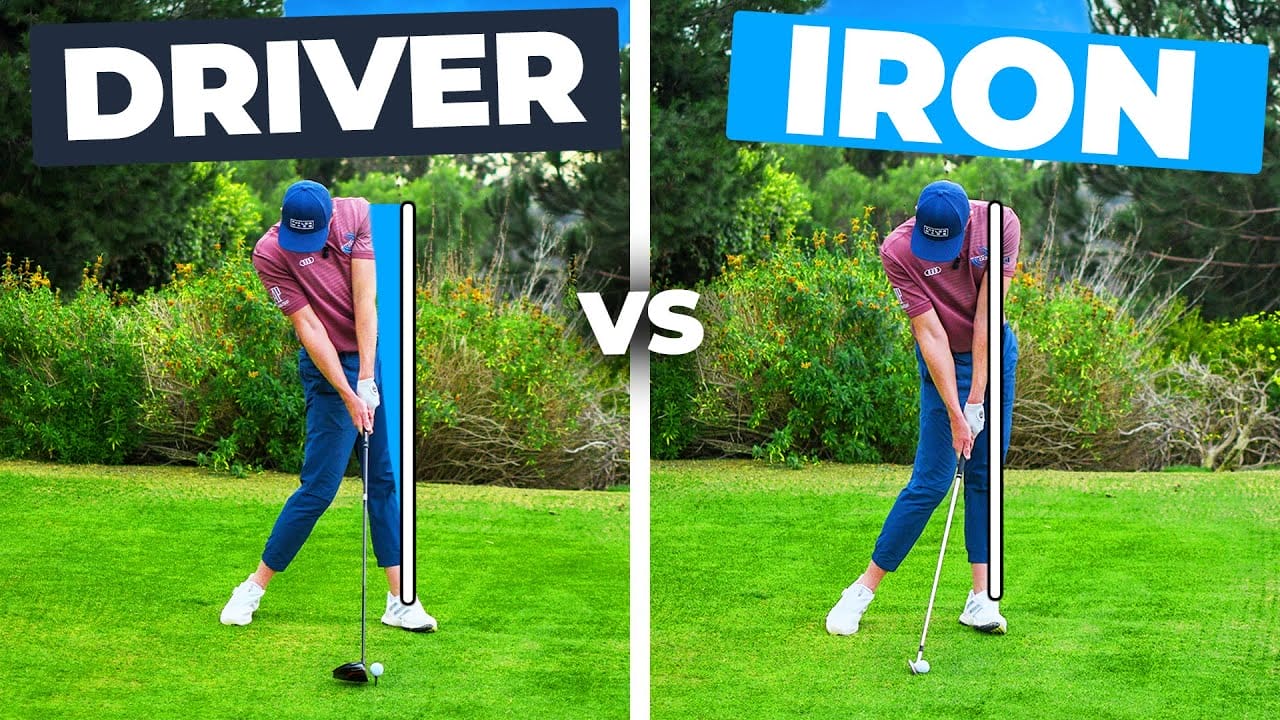
Where you place the ball in your stance affects both your angle of attack and strike quality, two major spin influencers.
Forward for Less Spin, Back for More
Moving the ball forward promotes a shallower AoA and more roll, ideal for fairway woods and drivers. Placing it back in your stance increases downward strike, boosting spin with irons and wedges.
Visual cue: For mid-irons, center the ball or place it slightly forward. For wedges, move it an inch back to encourage a descending blow.
Clean Contact Is Crucial
Even the perfect setup fails without clean contact. Grass, moisture, or debris between the clubface and ball reduces friction and spin.
Common mistake: Hitting behind the ball or taking a shallow divot leads to inconsistent spin. Focus on striking the ball first, then taking a small divot.
Drill: Place a tee just behind the ball. Try to hit the ball without clipping the tee. This trains a ball-first strike.
Grooves and Club Condition
Your club’s grooves channel moisture and debris to maintain friction at impact. Worn or dirty grooves drastically reduce spin.
Clean Grooves for Maximum Grip
Dirt, grass, or sand packed into grooves acts like a barrier against spin. Always wipe your clubface between shots, especially in wet or muddy conditions.
Pro Tip: Use a groove cleaner or tee to scrape out debris before critical approach shots.
Groove Wear Over Time
After 50–75 rounds, grooves begin to wear down, particularly if you play from sand or hardpan. Worn grooves can reduce spin by up to 20%.
When to replace: If your wedges are older than two years and you play regularly, consider replacing them. Performance degrades before appearance does.
Golf Ball Selection

Not all golf balls spin the same. Construction and cover material have a major impact on spin rates.
Urethane vs Ionomer Covers
- Urethane-covered balls (such as Titleist Pro V1 or Callaway Chrome Soft) generate more spin, especially around the greens. They offer softer feel and better friction.
- Ionomer-covered balls (such as Srixon Soft Feel or Callaway Supersoft) produce less spin and are more durable. They suit beginners or high swing speed players who want less curve.
Spin trade-off: Higher spin gives more control but can exaggerate mishits. Choose based on your skill level and goals.
Ball Compression and Spin
Lower compression balls tend to spin less with the driver but may spin more with wedges due to increased deformation. Match compression to your swing speed for optimal control.
Guideline: Players with swing speeds under 90 mph benefit from low-compression balls. Over 95 mph? Consider higher-compression, tour-level balls for better spin shaping.
Swing Speed and Tempo Control
Faster swings generally produce more spin, up to a point. But raw speed without control leads to inconsistency.
Smooth Tempo for Consistent Spin
A jerky, aggressive downswing can cause the clubface to twist or slide, reducing friction and spin. A smooth, rhythmic swing promotes clean contact and repeatable spin.
Fix: Practice half-swings with your wedge, focusing on a quiet wrist hinge and full follow-through. This builds tempo and control.
Avoid Over-Swinging
Trying to kill the ball often increases spin unpredictably. Excessive speed can cause the ball to climb too high and spin out on landing.
Solution: Swing at 80–90% effort for approach shots. You’ll gain control and more consistent spin.
Practice Drills for Spin Control
You can’t control spin without feedback. These drills help you feel and measure spin differences.
The Towel Drill
Tuck a small towel under both armpits and hit short pitch shots. Keep the towel in place throughout the swing to promote connected arms and consistent strike.
Why it works: A connected swing improves center-face contact, leading to more consistent spin.
Landing Zone Challenge
Pick a target and mark three zones: 5 yards short (A), on target (B), and 5 yards long (C). Hit 10 wedges trying to land in zone B.
Focus: Adjust spin by changing ball position, hand lean, or swing speed. Note what produces the best results.
Spin Comparison Test
Hit five shots with your wedge using:
– Full swing
– Three-quarter swing
– Half swing
Measure carry, roll, and total distance.
Insight: You’ll see how swing length affects spin and stopping power. Often, a ¾ swing gives better control than full effort.
Equipment Tweaks for Spin
Your gear should match your spin goals, not work against them.
Wedge Grinds and Bounce
Wedge grinds affect how the club interacts with turf. High bounce wedges prevent digging but may reduce spin from tight lies. Low bounce offers more versatility but requires precise contact.
Choose wisely: Soft sand or thick grass calls for high bounce. Tight lies or firm turf suit low bounce.
Driver Adjustments
Most modern drivers offer adjustable weights and hosels. To reduce spin:
– Shift weight toward the heel or rear
– Close the face angle slightly
– Use a lower loft setting (if swing speed is high)
Warning: Too little spin reduces carry. Aim for a driver spin rate between 2200–2800 RPM for optimal distance.
Frequently Asked Questions About Controlling Spin in Golf
What is the ideal spin rate for wedges?
Most players benefit from wedge spin rates between 8,000 and 11,000 RPM. Tour professionals often generate even higher rates. The right amount depends on green speed, conditions, and personal preference.
Does ball position really affect spin that much?
Yes. Moving the ball back in your stance encourages a steeper descent and more spin. Moving it forward creates a shallower strike and less spin. Small adjustments produce noticeable differences.
How often should I replace my wedges?
If you play regularly, consider replacing wedges every 18–24 months. Groove wear reduces spin before visible signs appear, so track your performance rather than relying on appearance alone.
Can high-handicap players control spin effectively?
Absolutely. While advanced players shape spin more precisely, beginners can still benefit from basics like clean contact, proper ball position, and smooth tempo. These fundamentals produce noticeable improvements.
Should I use the same ball for every shot?
Consistency helps. Switching balls between clubs changes spin rates and feel. Pick one ball that suits your swing and stick with it for reliable results.
Does weather affect spin control?
Yes. Cold, wet conditions reduce spin because the ball doesn’t compress as much. Firm, dry conditions increase spin. Adjust your expectations and club selection accordingly.
Key Takeaways for Mastering Spin Control in Golf
Learning how to control spin in golf comes down to three core principles: clean contact, proper setup, and intentional equipment choices. Focus on striking the ball first, adjusting ball position to match your shot shape, and maintaining your grooves for maximum friction. Use smooth tempo rather than raw power to produce repeatable spin rates.
Your next step is simple. Pick one area from this guide, such as ball position or wedge grooves, and focus on it for an entire practice session. Track your results with a launch monitor or simply by observing how the ball reacts on the green. Small, deliberate adjustments compound into major improvements. Before long, you’ll stop guessing where your ball will go and start telling it exactly where to land.