
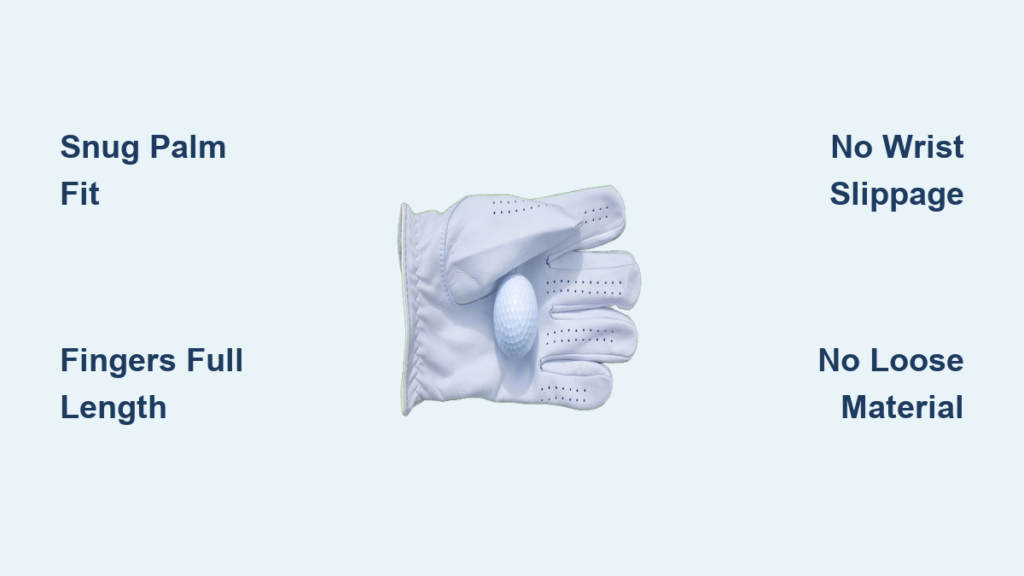
A slipping or bunching glove can derail even the most practiced swing. If you’ve ever adjusted your grip mid-round because your glove felt off, you already understand why fit matters. So, how should a golf glove fit? It should feel like a second skin: snug across the palm and fingers, with no loose material or tight pressure points. The fit must allow full finger movement without restricting your grip on the club.
A properly fitted glove enhances feel and feedback from the club, especially during fast swings or in humid conditions. Whether you choose leather or synthetic materials, the glove must conform precisely to your hand without stretching out too quickly. In this guide, you’ll learn exactly what to look for in fit, how to test it before buying, and common mistakes that golfers make when choosing their glove size.
Snug But Not Tight: Finding the Right Feel

A golf glove should fit tightly enough to eliminate wrinkles or excess fabric but not so tight that it restricts circulation or feels painful. This balance is the foundation of every other fit feature.
No Loose Material Anywhere
When the glove is on, there should be no sagging or bagginess in the palm or across the back of the hand. Any loose material means the glove is too big, which leads to shifting during your swing. This movement reduces control and forces you to grip harder, increasing fatigue.
Look for a smooth, uniform surface across the top of your hand. If you see creases or folds when your hand is relaxed, the glove is likely oversized.
Fingers Should Fit Fully Without Pinching
Each fingertip should reach the end of the glove without pushing against it. There should be no gap at the tip, which would indicate the glove is too long, nor should the fabric pull at the knuckle, which signals it’s too short.
The finger stalls should feel secure, wrapped individually but not constricted. You should be able to curl and extend your fingers freely.
Palm Hugs Without Pressure Points
The palm area must lie flat against your hand with no bubbling or gathering. Leather gloves often mold over time, but they should still start snug. If the palm feels stretched or tight immediately, the glove is too small.
Avoid gloves that press into the base of your thumb or pinch along the lifeline. These pressure points cause discomfort and may lead to tearing during use.
Secure Wrist Closure for Consistent Fit
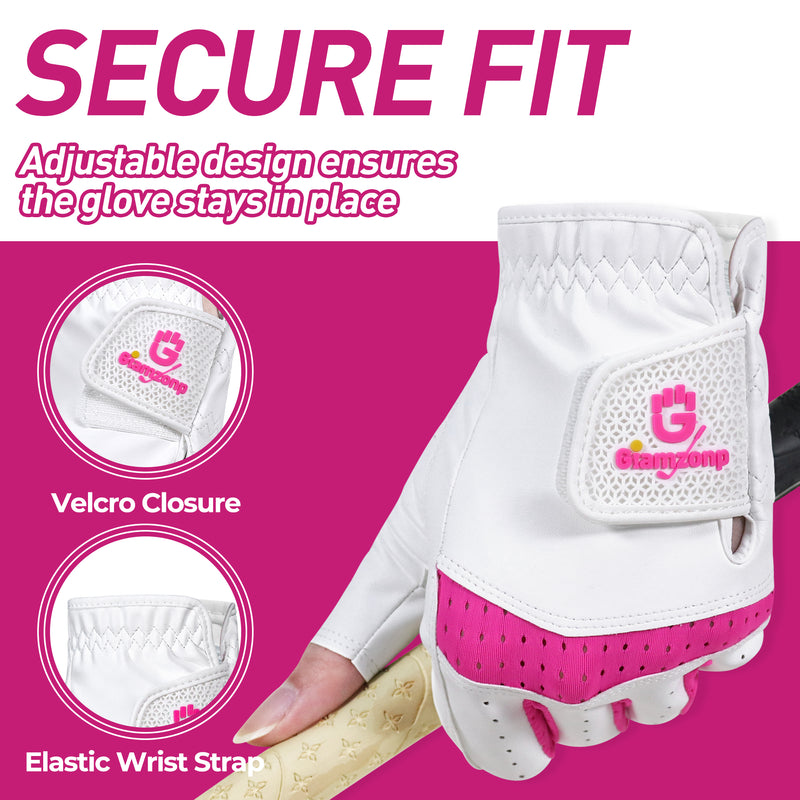
The wrist closure is critical for maintaining consistent fit throughout your round. A glove that loosens at the wrist loses its tailored feel.
Closure Lies Flat Against the Glove
Whether the glove uses a strap, elastic band, or hook-and-loop fastener, it should close smoothly without gaping. A gap at the wrist means the glove body is too large, even if the fingers seem right.
The strap should meet the edge of the glove backing without pulling or straining. If you need to tighten it to the last hole, consider a smaller size.
No Slippage During Your Swing
During a practice swing, check that the glove stays firmly in place. If it shifts up your wrist or twists, the fit isn’t secure. This slippage disrupts feel and can expose parts of your hand to friction.
A well-fitted glove won’t require constant adjustment between shots.
Material Matters: How Leather and Synthetic Gloves Behave
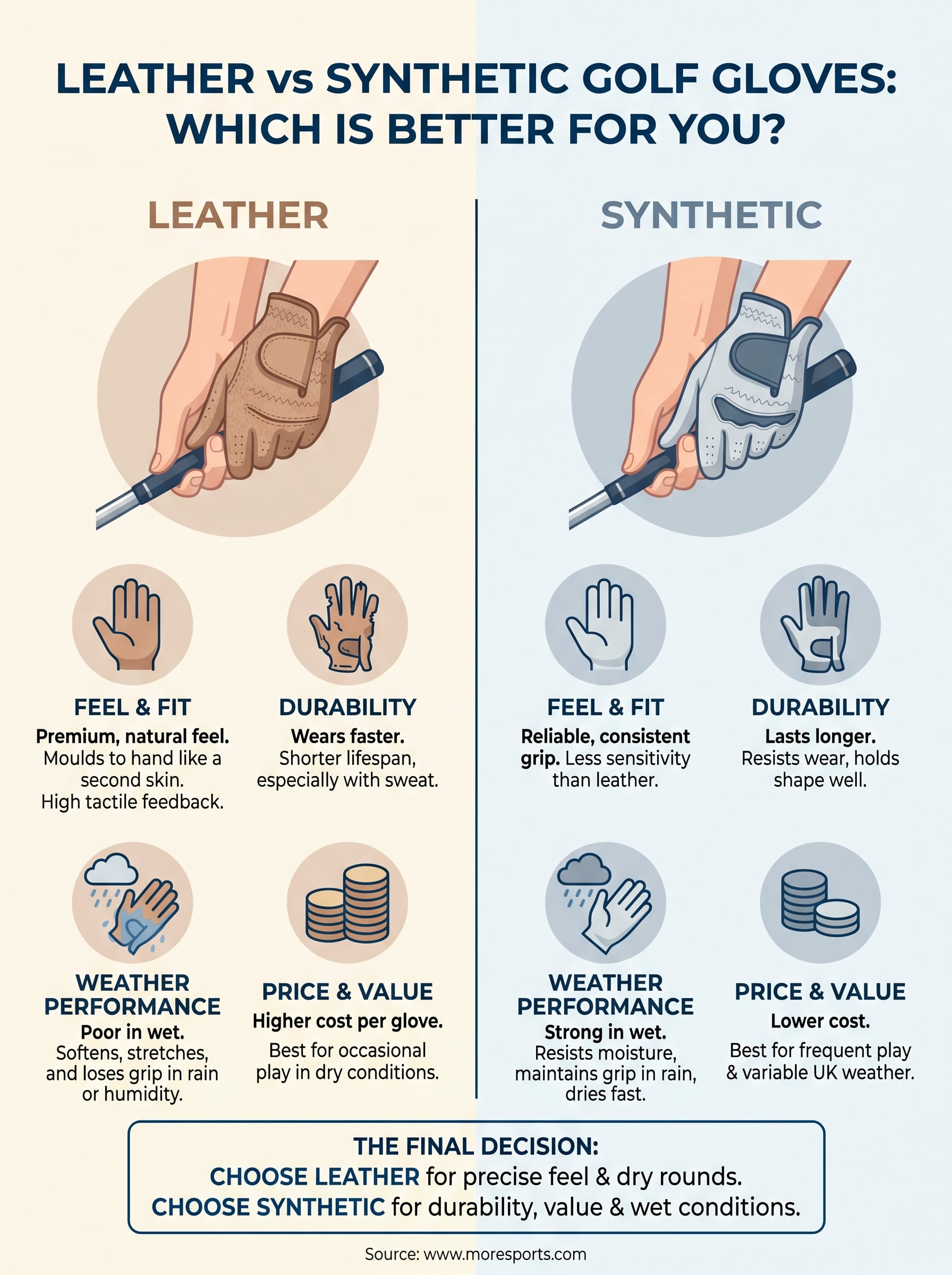
Different materials behave differently once worn, affecting how the glove fits over time. Knowing your material helps you choose the right starting fit.
Leather Gloves Stretch Slightly
Premium leather gloves offer the best feel but will stretch 5 to 10 percent with use. That’s why they should feel very snug when new, almost tighter than comfortable.
Choose a fit that allows for this minor expansion without becoming loose after a few rounds.
Synthetic Gloves Hold Their Shape
Synthetic or blended gloves resist stretching and maintain their original fit longer. They’re ideal for wet conditions and offer consistent sizing.
However, because they don’t mold as easily, getting the exact size right from the start is crucial.
Try Before You Buy: Testing the Fit in Person
Even with size charts, nothing beats trying a glove on before purchase. A glove that passes the motion test will perform well on the course.
Test Full Hand Closure
Put the glove on and make a full fist, then release. Repeat several times. The material shouldn’t pull excessively or create hot spots.
Simulate gripping a club by wrapping your hand around a bottle or grip trainer. Check for any restriction in movement or bunching behind the knuckles.
Wear It for a Few Minutes
Spend 3 to 5 minutes moving your hand, opening and closing your fingers, and mimicking swing motions. This brief trial reveals whether the fit remains comfortable under motion.
If the glove starts to pinch or slide, it’s not the right match.
Common Fit Mistakes to Avoid
Many golfers compromise performance by overlooking simple fit errors. Sidestep these pitfalls for a better experience.
Choosing Based on Label Size Alone
Sizing varies between brands. One manufacturer’s medium might match another’s large. Always rely on fit, not the tag.
Measure your hand circumference and compare it to each brand’s specific chart, but still try it on if possible.
Ignoring Finger Length
Some gloves fit the palm well but have fingers that are too long or short. Even a quarter-inch difference affects dexterity and control.
Pay attention to fingertip alignment. If your skin touches the seam, the glove is too short and may tear quickly.
Overlooking Hand Shape
Hand shape differs. Some golfers have broad palms, others have long fingers. Standard gloves may not suit everyone.
Consider premium models designed for wider hands or tapered fingers if off-the-rack options don’t fit well.
When to Replace Your Golf Glove

A worn-out glove won’t perform, even if it once fit perfectly. Know the warning signs so you’re never caught with failing gear.
Signs of Loose Fit
If the glove starts to wrinkle or slide during your swing, it has stretched beyond usefulness. Leather gloves typically last 10 to 20 rounds, depending on use.
Check for looseness across the palm and at the wrist strap. Any sagging means it’s time for a replacement.
Visible Wear at Stress Points
Inspect the palm near the thumb and index finger. Holes, thinning fabric, or separated stitching indicate the glove can no longer provide reliable grip.
Don’t wait for it to rip. Replace it before your next round.
Tips for Long-Lasting Fit and Performance
Extend the life of your glove and maintain its fit with proper care. A few simple habits make a big difference.
Remove the Glove Carefully
Peel the glove off slowly, starting from the wrist and working through each finger. Yanking it off by the fingers causes stretching and seam damage.
Treat it like a fine fabric. Gentle handling preserves shape.
Let It Dry Naturally
After a round, hang your glove in a cool, dry place away from direct heat or sunlight. Moisture weakens fibers and accelerates wear.
Never store it damp in your bag.
Rotate Multiple Gloves
Using two or three gloves in rotation prevents any single one from wearing out too fast. It also gives each glove time to air out fully between uses.
This simple habit improves consistency and longevity.
Frequently Asked Questions About Golf Glove Fit
Should a golf glove feel tight when new?
Yes, a new golf glove should feel snug, almost tight, especially if it’s leather. Leather gloves stretch 5 to 10 percent with use, so a slightly tight starting fit breaks in to a perfect feel. Synthetic gloves should fit comfortably right away since they don’t stretch much.
How do I know if my golf glove is too small?
Your glove is too small if you feel pressure at the knuckles, see fabric pulling across the palm, or experience fingertip discomfort when making a fist. The fingers may also feel short, pushing against the tips of the stalls.
How long does a golf glove typically last?
A leather golf glove typically lasts 10 to 20 rounds, depending on conditions and care. Synthetic gloves often last longer because they resist stretching and moisture damage. Rotating multiple gloves extends the life of each one.
Can a golf glove be too big?
Yes, an oversized glove creates wrinkles, shifts during the swing, and forces you to grip harder. Loose material across the palm or fingers is a clear sign the glove is too big. Always choose fit over the label size.
Should I wear a golf glove on both hands?
Most golfers wear a glove only on the lead hand (left hand for right-handed players). Some players prefer gloves on both hands for added grip or to prevent blisters. Either approach works as long as the fit is correct.
Key Takeaways for Getting the Perfect Golf Glove Fit
A proper golf glove fit is essential for control, comfort, and performance. Focus on a snug feel without pain, ensure the palm lies flat with no wrinkles, and confirm your fingertips reach the end of each stall without gaps. Test the wrist closure for security and always try the glove in motion before buying.
Remember that leather breaks in while synthetic stays true to size, so adjust your expectations accordingly. Replace your glove at the first sign of looseness or wear, and rotate multiple gloves to extend their life. With the right fit and care, your glove becomes an invisible extension of your hand: silent, secure, and ready for every shot. Visit a golf shop today to find a glove that matches your hand perfectly.